Revolutionize Your Business: Unveiling Enterprise MVP Development Strategies
Olivia Harris – Startup Founder – In this article, we will explore enterprise MVP development strategies.
Sep 18, 2024 | 5 Minute Read
Challenges in MVP Development
When it comes to creating a Minimum Viable Product (MVP) for big businesses, you might hit a few bumps in the road, including:
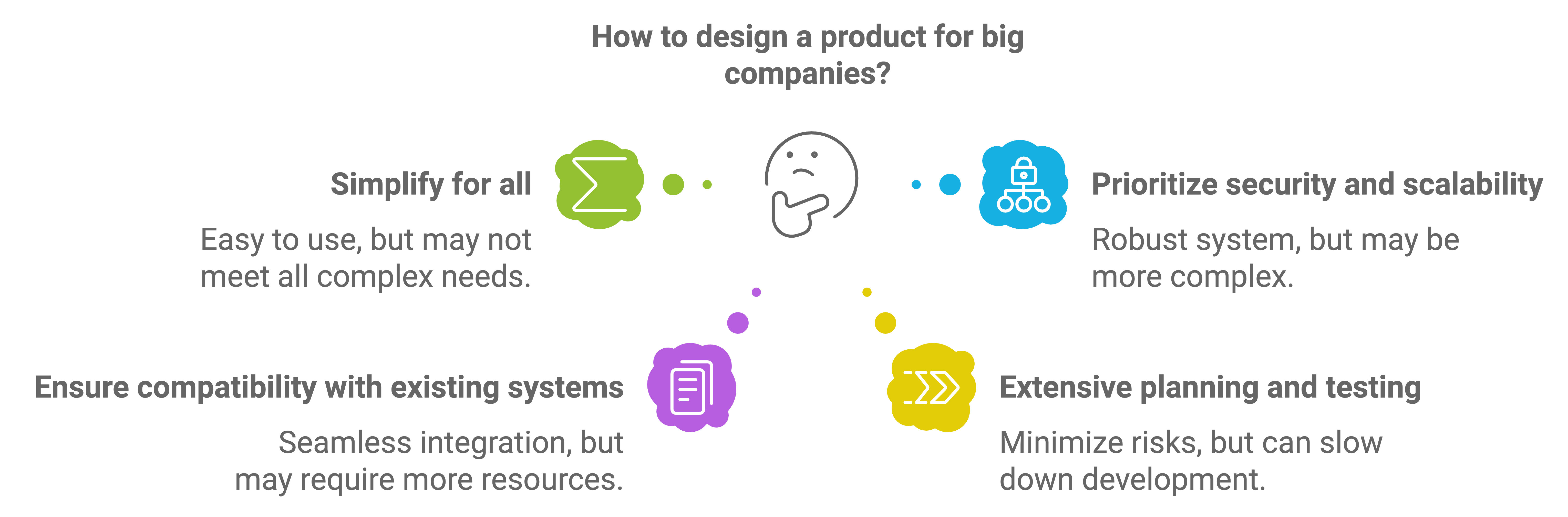
- Complex User Roles: Big companies have tons of different users and job roles, making it tricky to design something simple yet useful for everyone.
- Data Safety and Growth: Handling truckloads of data means you need top-notch security and the ability to grow without hitting snags. It’s a balancing act.
- Old Systems: Big businesses come with established workflows and systems. Your shiny new MVP has to play nice with the old stuff without making everything explode.
- Reputation Risks: One misstep, and the whole company could look bad. So, planning and testing are non-negotiable.
- Slower Decisions: Bigger companies = more hoops to jump through for approvals. It can slow things down.
Getting clear on what the MVP needs to do can be tough. You want enough features to solve problems but not so many that you bog down the process. Focus on what really matters—your core idea and the big assumptions you’re betting on.
Managing expectations is also key. Keep everyone in the loop—team members, bosses, investors—about what the MVP is supposed to do and when. Honest communication helps keep everyone on the same page and prevents any unrealistic hopes.
Tracking results and learning from feedback is another big deal. Use solid metrics and tools to see what’s working. Diverse teams and frameworks like Build-Measure-Learn can keep you on the right track.
Want the full lowdown? Check out our detailed guide on MVP for Small Businesses.
Best Practices for Enterprise MVPs
To nail an MVP for a large business, you gotta find that sweet spot between speed and quality. Here’s how:
- Keep It Simple: Stick to the must-have features. Anything more can wait.
- Plan Ahead: Know what the business needs and map out a clear path forward.
- Integrate Early: Make sure your MVP works well with existing systems right from the start to avoid problems later on.
- Quality Matters: Speed is good, but quality is crucial. One bad MVP and your reputation takes a hit.
- Automate Where You Can: Use automation tools, especially for testing and deploying. Save time and reduce errors.
- Stick to the Brand: Make sure your MVP looks and feels like the rest of the company’s products.
- Team Up: Work closely with everyone involved to make sure the MVP hits the mark.
Choosing the right tech and focusing on quality and security are make-or-break for your MVP’s success. Check out more on strategic feature prioritization to ace this part.
These tips are golden for any MVP, whether it’s SaaS or another industry. You’ll strike the perfect balance of speed, quality, and functionality.
| Challenges | Solutions |
|---|---|
| Complex User Roles | Detailed planning and focused features |
| Data Safety and Growth | Emphasizing quality and security |
| Old Systems | Early integration plans |
| Reputation Risks | High-quality standards |
| Slower Decisions | Clear timelines and communication |
Follow these best practices, and you’re on the way to a winning MVP. For more insights, take a peek at our article on MVP KPIs for Optimal Results
Nailing Your MVP Strategy
Creating a Minimum Viable Product (MVP) involves making smart choices. Two of the most crucial are prototyping and deciding what features to include first.
Why Prototyping Matters
Building a prototype is a big deal when you’re starting on an MVP. Think of it as creating an early, stripped-down version of your product to test out the essentials.
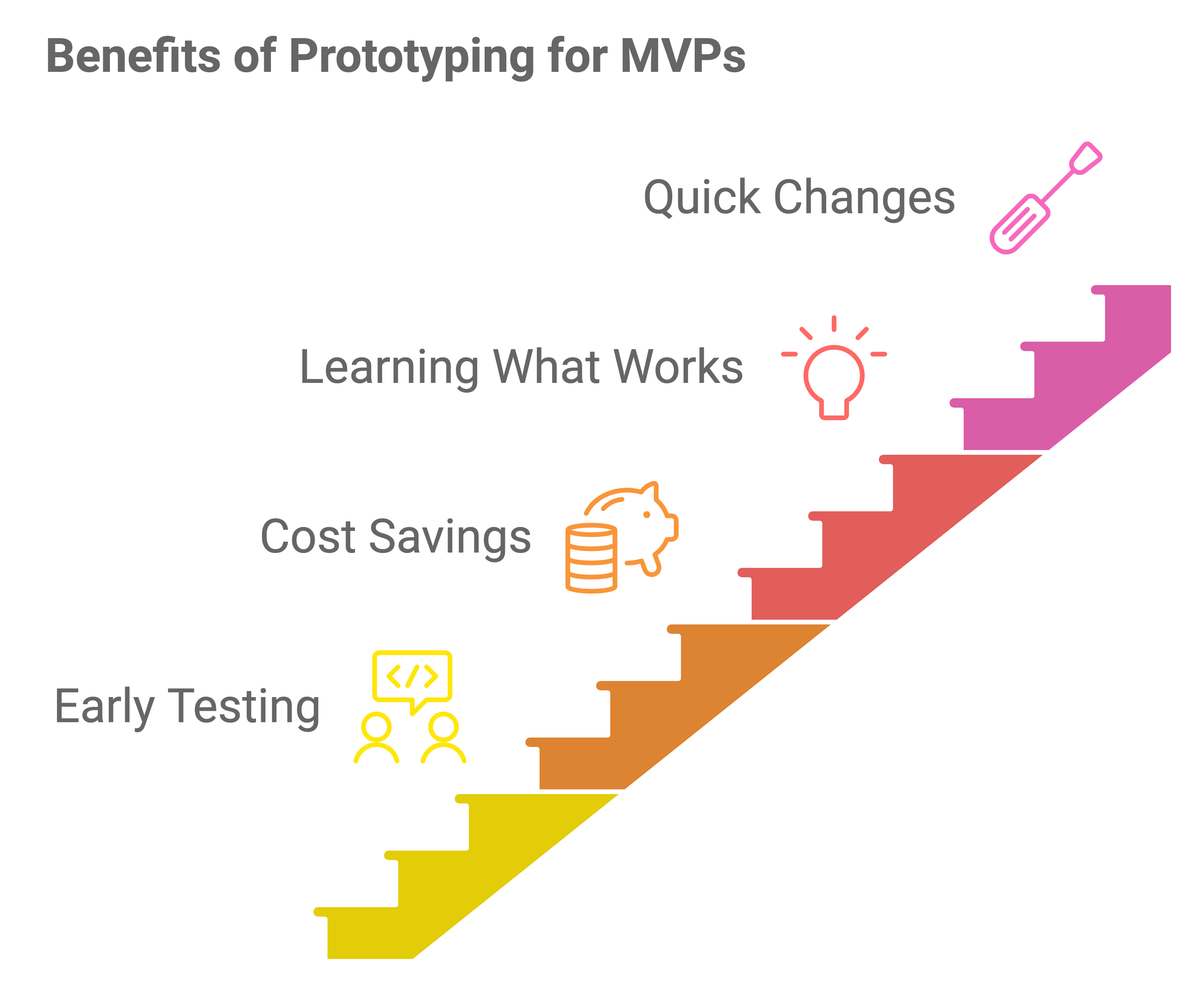
- Early Testing: Prototypes let you put your product in front of real people right away. This is gold for getting feedback that can shape what you build next.
- Cost Savings: Catching issues early can save you a ton of money you’d otherwise spend fixing mistakes.
- Learning What Works: Prototyping is a key part of the Lean Startup approach. It ensures that you’re building something people actually want.
- Quick Changes: Prototypes make it easy to tweak and adjust features quickly based on what users tell you.
| Benefit | What It Means |
|---|---|
| Early Testing | Get feedback and make adjustments early |
| Cost Savings | Fix issues before they become expensive |
| Learning What Works | Build something users need |
| Quick Changes | Make improvements on the fly |
Picking the Right Features
Deciding which features to build first can be tricky but it’s essential. Here’s how to prioritize what to include in your MVP.
- Think About Users: Focus on features that solve problems or add value to users. Use data to make these decisions.
- Align with Your Goals: Make sure the features you choose fit your business goals.
- Quality Over Quantity: In enterprise settings it’s better to have a few features that work well than a lot of mediocre ones.
- Build in Steps: Implement features in stages so you can refine and improve as you go. This makes it easier to integrate user feedback.
| Strategy | Main Point |
|---|---|
| Think About Users | Focus on solving problems and adding value |
| Align with Your Goals | Match features to business objectives |
| Quality Over Quantity | Better to have a few great features |
| Build in Steps | Improve progressively with user feedback |
Prioritizing features isn’t just about what to include; it’s also about what to leave out. This balance keeps your MVP useful and sets a solid base for future improvements. By focusing on prototyping and smartly picking features, you can pave the way to creating a product that satisfies users, meets your business needs, and saves you money.
Minimum_Viable_Product_App_Guide_PreviewUseful Resources:
The Key Role of MVP Development in Startup Success
FAQs
What are MVP strategies?
MVP strategies involve building a product with the minimum features needed to satisfy early customers and provide feedback for future product development. This approach helps in validating product concepts early in the development cycle, minimizing the risk and resources involved.
What is the MVP approach to development?
The MVP (Minimum Viable Product) approach to development focuses on creating a product with the essential features that meet the needs of early adopters. This method allows developers to test hypotheses about a product’s usability and demand quickly and with minimal resources, making it ideal for startups and new ventures. Learn more on
Accelerate Time to Develop an MVP
How do you create an MVP strategy?
Creating an MVP strategy involves several key steps:
- Identify the Core Value: Determine the most important value your product offers to customers.
- Define Key Features: Select a small number of features that are crucial to deliver the core value to the customers.
- Build Quickly: Develop the MVP as swiftly as possible with minimal complexity.
- Launch: Release the MVP to a targeted group of potential users.
- Learn and Iterate: Gather feedback from early users and iterate on the product based on this feedback.
What is a lean approach to MVP development?
A lean approach to MVP development focuses on learning as quickly as possible with the least amount of effort. It involves building a simple version of the product that includes only essential features necessary to meet the needs of early customers. This approach emphasizes rapid prototyping, validated learning from real user behavior, and immediate iteration to refine the product efficiently.