Empowering Your Vision: Key Mistakes to Dodge in MVP Development
Olivia Harris – Startup Founder – Here are some common mistakes to avoid when building an MVP.
Sep 18, 2024 | 4 Minute Read
Mistakes to Avoid
Validation of Ideas
Ah, the thrill of launching a new idea. But without checking if folks actually need it? Recipe for disaster! I’ve seen countless startups dive headfirst into building an MVP (Minimum Viable Product) without stopping to ask, “Will anyone even care?” Here are the major no-nos to keep in mind:
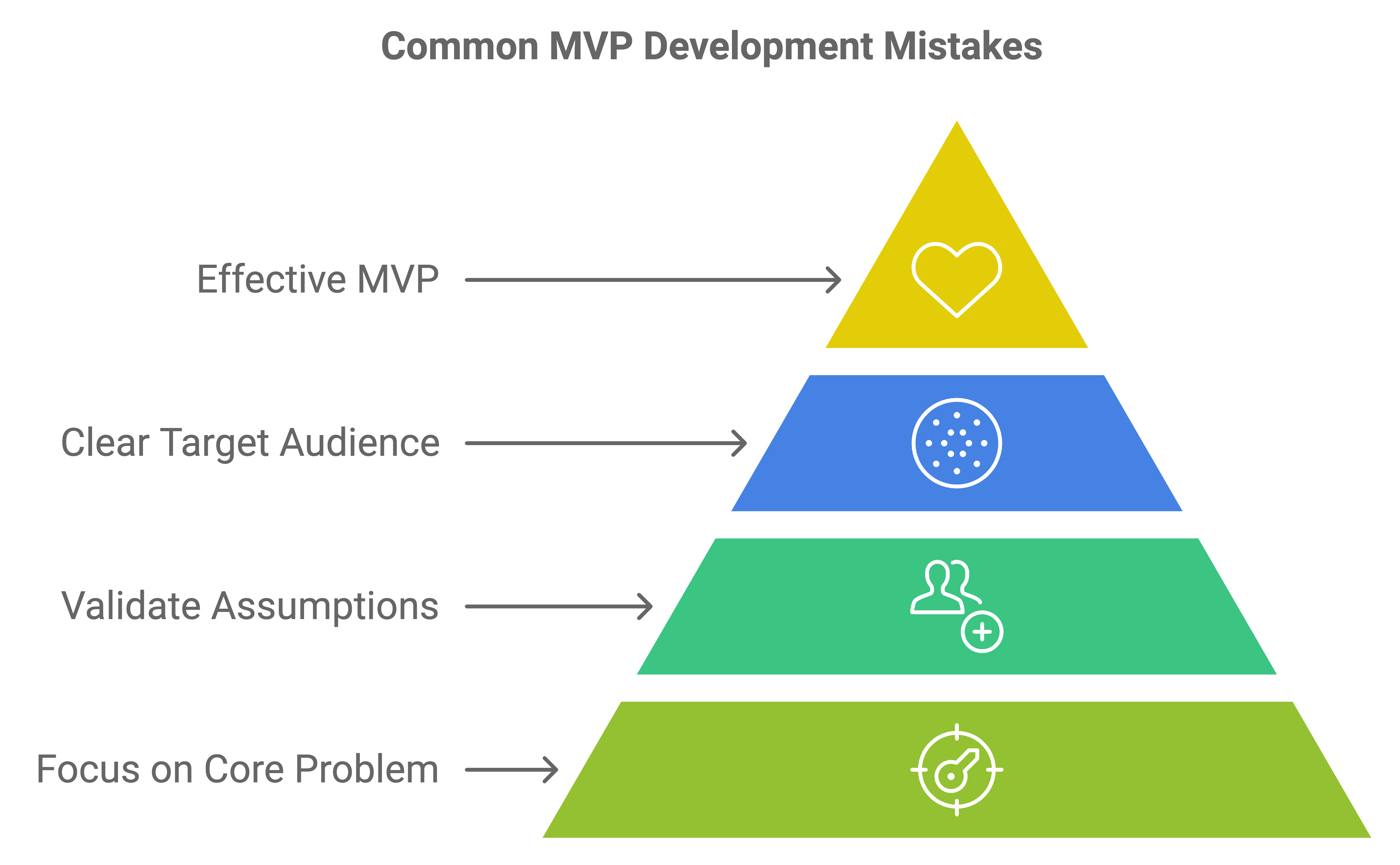
- Inefficient Monetization Strategies: Not figuring out how you’ll make money is like going on a road trip without gas. You won’t last long. Plan out exactly how your MVP will bring in the bucks. Avoiding these mistakes when building an MVP is crucial.
- Targeting the Wrong Audience: Whether you’re trying to woo the wrong crowd or just casting too wide a net, missing your target users means your product’s doomed. Know who your peeps are. These are key mistakes to avoid when building an MVP.
- Ignoring User Feedback: This one’s a killer. If you don’t listen to your users, well, you’re basically building a house of cards in a hurricane. Real-world feedback is gold. Learn from mistakes to avoid when building an MVP.
- Inefficient Validation Techniques: Use proper methods to see if there’s actual interest. Real-world data from tests are way better than guesswork. Another point in mistakes to avoid when building an MVP.
Nail these basics and you’ll save time, cash, and sanity, making your MVP stronger and more likely to hit the mark.
Overbuilding the MVP
Don’t fall into the trap of trying to build Rome in a day. The point of an MVP is to get your core idea out there, not everything and the kitchen sink. Adding too much fluff muddies your product and keeps you from actually learning what works.
| Pitfalls of Overbuilding | What Happens |
|---|---|
| Takes too long to build | Miss out on market chances |
| Miss the main idea | Product loses focus |
When you jam your MVP with extra goodies, you complicate everything. You take longer to launch and miss out on early feedback that could steer your project in the right direction. Keep it simple:
- Feature Overload: Adding too many features can confuse users and clutter the experience. Focus on what truly matters.
- Delayed Launch: Perfection is the enemy of progress. The more you add, the longer it takes to get to market, making you miss those valuable early adopters.
- Missing the Main Problem: By overcomplicating things, you might lose track of the actual problem you set out to solve.
Keep it lean and mean. For extra help, check out our pieces on Common MVP Failures and MVP Market Validation. These can really simplify your development journey.
Get these elements right, and you’re well on your way to a killer product launch without the usual mistakes to avoid when building an MVP.
Rock Your MVP Development
Got a business in the U.S. and ready to tackle the MVP (minimum viable product)? Let’s break down two critical things you’ll need to nail: listening to user feedback and setting success goals.
Listen Up: User Feedback Matters
Skip listening to user feedback, and you’re pretty much setting yourself up for failure. Feedback isn’t just opinion—it’s your golden ticket to making sure your MVP hits the mark with your audience.
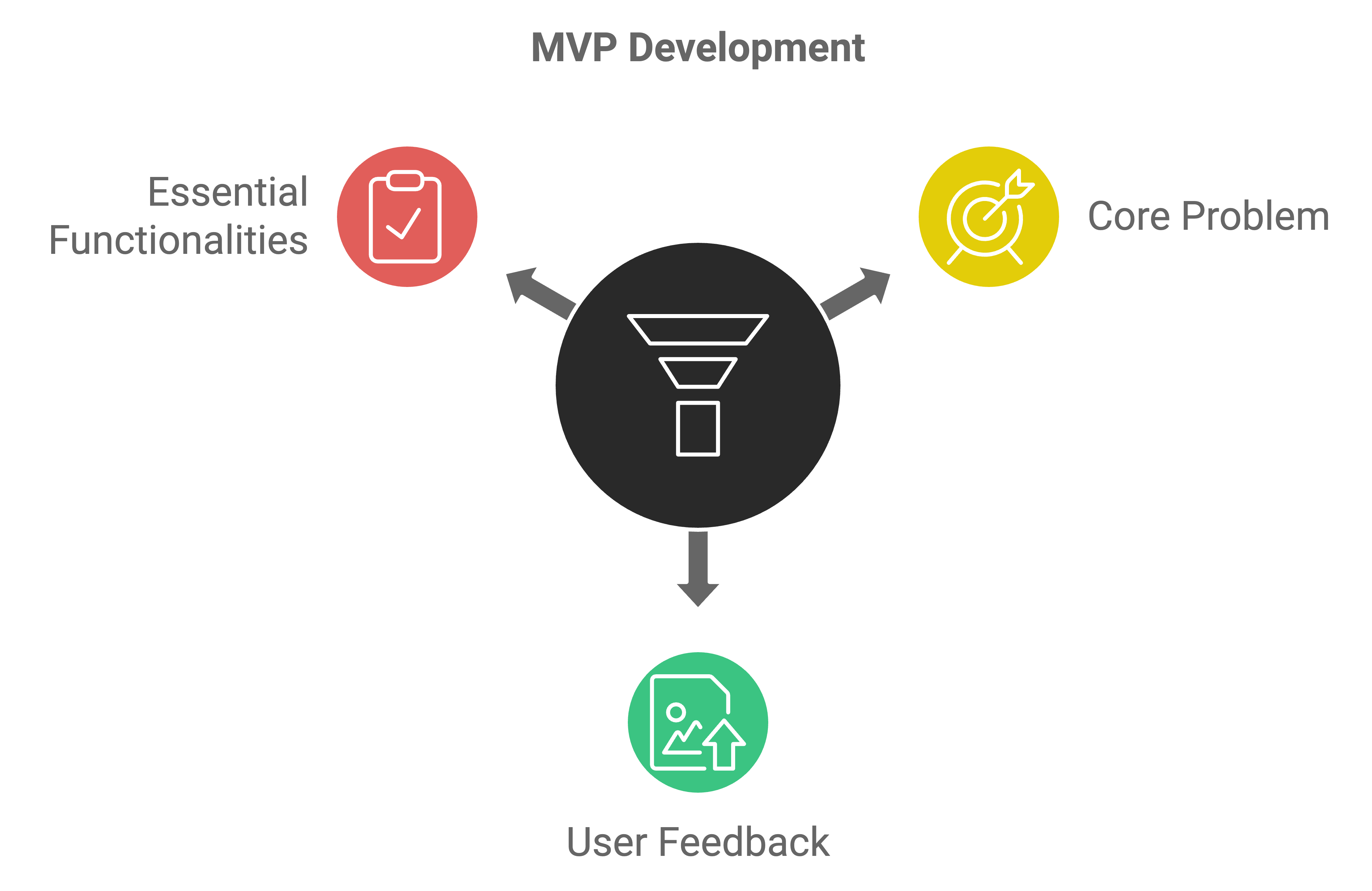
Get Feedback Early: Don’t wait—talk to early adopters right off the bat. They’ll tell you what works, what sucks, and what needs tweaking. Fix bugs, make improvements, and make sure your product shines before anyone else sees it.
Multiple Channels, Multiple Insights: Use everything you can—surveys, interviews, usability tests—to gather feedback. More info means better decisions.
Take Action: Put that feedback to good use. Change your design, add those features, fix what’s broken. It shows customers you care about their opinions.
Taking user feedback seriously makes your MVP better and keeps customers coming back for more because they know you listen. Avoid these common mistakes to avoid when building an MVP for better success.
Measure Up: Defining Success Metrics
If you don’t know what qualifies as “winning,” how can you tell if you’re doing well? Success metrics show you what’s working (or not) in your MVP. Avoid focusing on inconsequential metrics and concentrate on what truly matters.
Set Clear Goals: What does success look like? User sign-ups? High engagement? Make a list of what matters.
Quantify It: Put numbers to your goals.
Watch Closely: Keep an eye on these metrics. Are they trending up or down? Make adjustments as needed. Mistakes to avoid when building an MVP include ignoring these crucial metrics.
So remember: listen to your users and keep your eye on those all-important metrics. Do it right, and you’ll up your chances for a killer product launch that hits all the right notes with your market.
Minimum_Viable_Product_App_Guide_PreviewFAQs
1. What are the common mistakes that are committed while building minimum viable products?
Some typical missteps include overcomplicating the feature set, ignoring user feedback, and failing to focus on the core value proposition.
2. What to consider when building an MVP?
Key considerations should include identifying the core features that solve the primary problem, understanding the target market, and planning for iterative development based on user feedback. Learn more on Accelerate Time to Develop an MVP
3. What is one common risk when developing an MVP?
A common risk is underestimating the resources needed for development and market testing, which can lead to rushed products and inadequate feedback loops.
4. What are the key principles when creating an MVP?
The key principles include simplicity, focus on core functionality, continuous user feedback integration, and readiness to pivot based on this feedback.
Useful Resources: