Revolutionize Your Development: Joining Forces with a Node Developer
Olivia Harris – Startup Founder – If you’re looking to hire node developer talent for your startup, understanding the process is crucial.
Oct 28, 2024 | 9 Minute Read
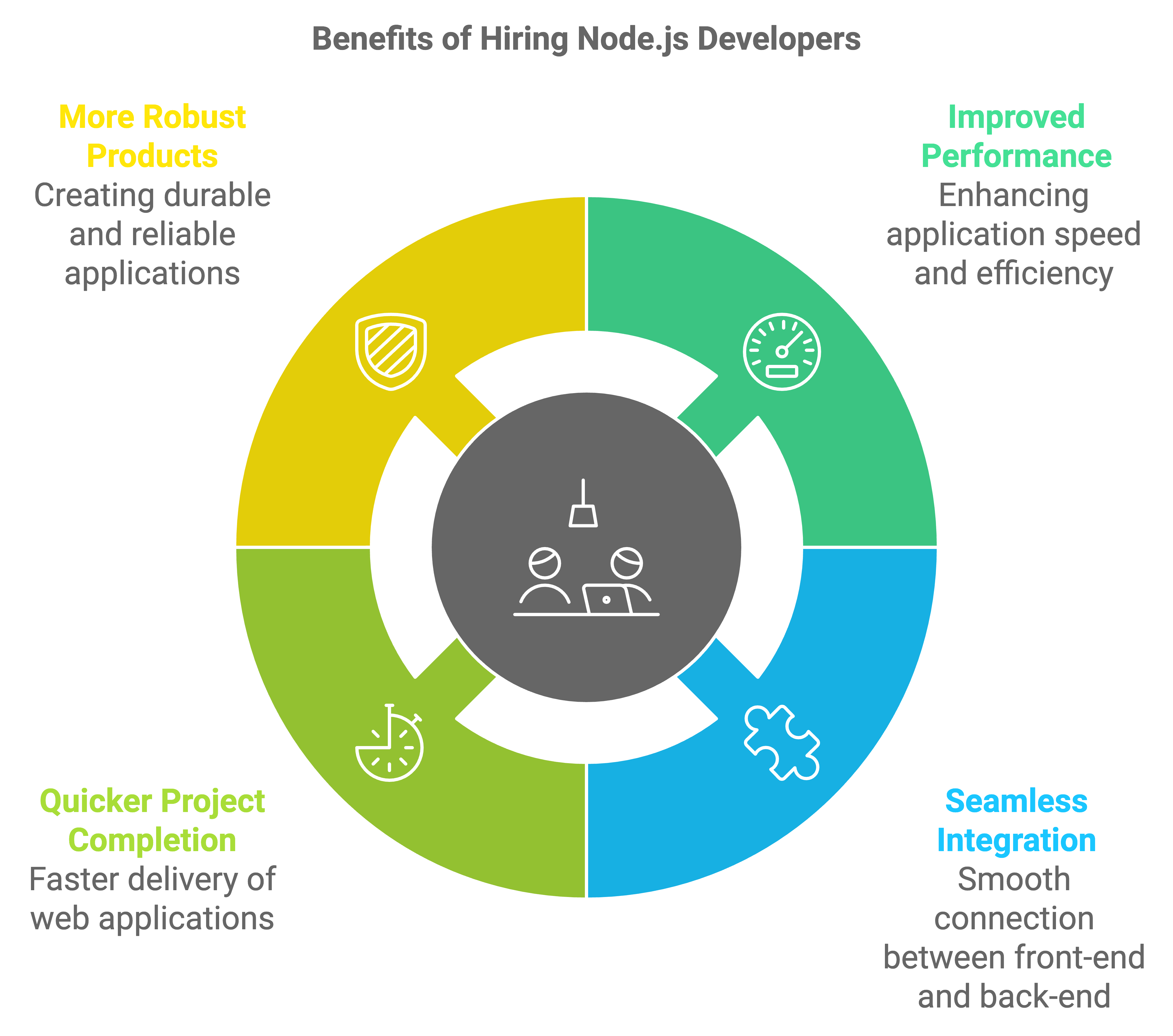
Benefits of Hiring Node.js Developers
So, you’re thinking of hiring a Node.js developer? Smart move! Let me show you why bringing Node.js into your tech arsenal can seriously up your game, especially if you’re running a small to medium-sized biz.
Leveraging Node.js Technology
Node.js isn’t just a fancy buzzword. It’s the brains behind super-efficient, scalable apps. Big shots like Netflix, PayPal, Uber, and LinkedIn are milking Node.js for all it’s worth to solve headaches across different fields. Snag a Node.js developer, and those perks are yours, too.
Scalability and Performance
Node.js thrives on this cool event-driven, non-blocking I/O trick. It manages to get stuff done faster without hogging resources, which is perfect if you’re after slick, fast-scaling apps.
Real-time Applications
If you’re aiming for real-time fun like chat apps, online games, or teamwork tools, Node.js is your jam. It juggles multiple connections effortlessly, making it ideal for those fast-paced environments.
Unified Development
With Node.js, your devs are rocking JavaScript for both ends of the app. This tightens everything up, making it easier for your front and back-end teams to stay in sync.
Cost-efficient and Fast
Node.js speeds up development and saves you money. Who doesn’t want that? If you’re looking to squeeze maximum value from a budget, Node.js is your new best friend.
Advantages for Small to Medium-sized Businesses
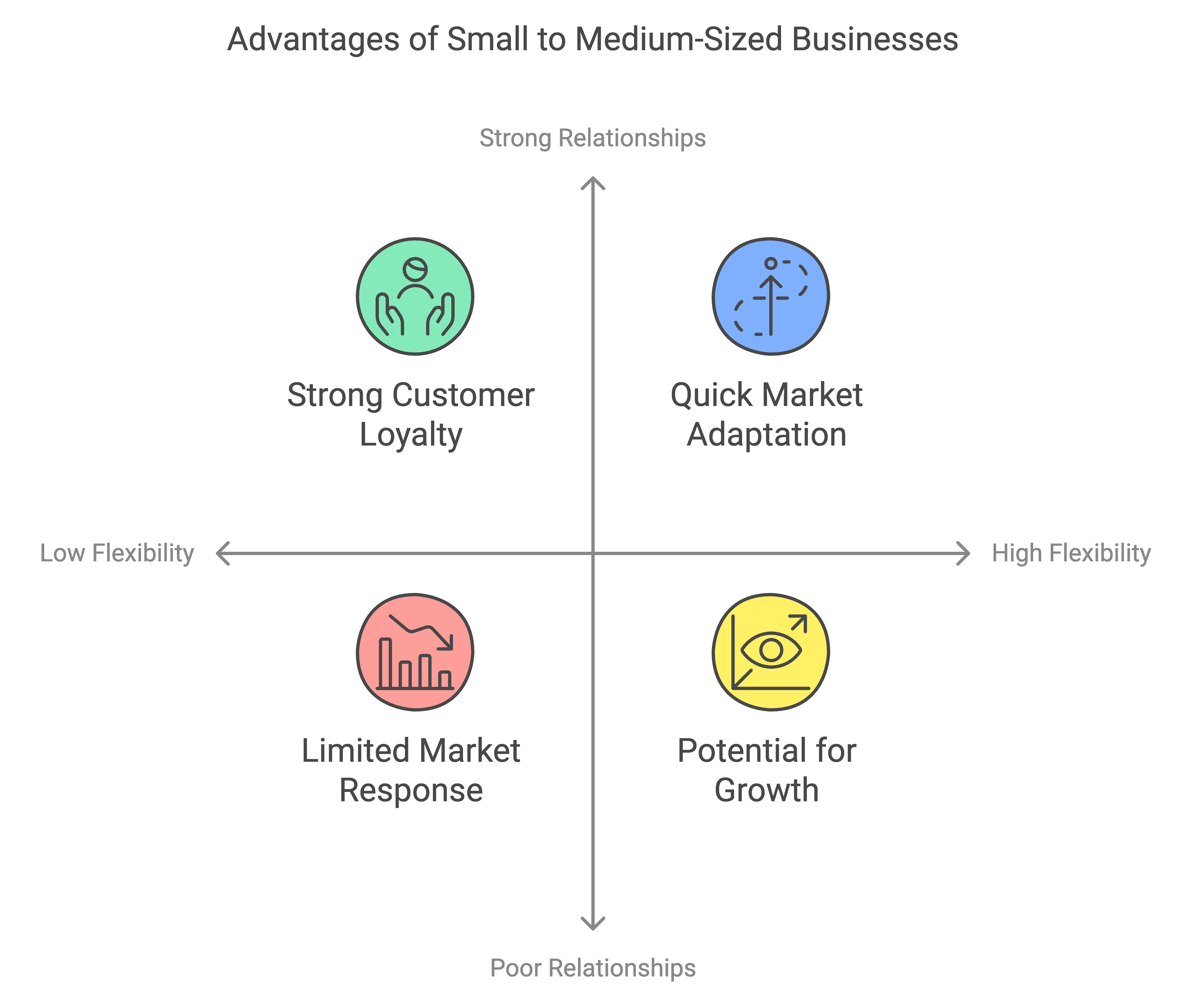
If you run a small or mid-sized biz, Node.js could be your ticket to greatness. It lets you build strong, expandable applications without the baggage that comes with other systems.
Flexibility and Speed
Node.js gives SMBs the power to whip up and ship out apps quicker thanks to its non-blocking I/O wizardry. That means faster launches for your latest features.
Cost-effective Development
Teaming up with IT outsourcing pals is a slick way for SMBs to snag A-list Node.js talent. Devs can add about 20% more to their salary based on how fancy their skills are. This puts them in neat salary bands, so you can hire dedicated developers without busting the budget.
| Seniority Level | Salary Range (per hour) | Added Cost for Outsourcing (per hour) |
|---|---|---|
| Junior | \$25 – \$40 | \$5 – \$8 |
| Mid-level | \$40 – \$60 | \$8 – \$12 |
| Senior | \$60 – \$100 | \$12 – \$20 |
E-commerce and IoT Solutions
Node.js shines in e-commerce and those cool IoT applications where scaling up and chatting in real-time are key. If you’re in these gigs, using Node.js can give you that edge you need to knock out the competition.
So there you go! With these perks in your back pocket, you’re all set to make a savvy choice about hiring Node.js talent. Check out more goodies like hiring dedicated developers in India and best practices for hiring developers.
Skills and Expertise Required
When you’re out hunting to hire a Node developer, it’s kind of like picking a good burger—there’s some stuff you just can’t skip. Here’s what you gotta have on your checklist for a rockstar Node.js developer.

Node.js Developer Skill Set
A sharp Node.js developer should be like a Swiss army knife with a bunch of must-have skills. Let’s dig into it:
- Proficiency in JavaScript: Since Node.js thrives on JavaScript, someone who’s tight with JavaScript (think ES6 and beyond) is non-negotiable.
- Experience with Node.js: Understanding the basics of Node.js, especially its non-blocking I/O trickery, makes all the difference in how slick things run.
- Package Management: Being fluent with npm or Yarn for getting the packages to play nice together.
- RESTful API Development: Can whip up and plug in RESTful APIs like a champ.
| Skill | Description |
|---|---|
| JavaScript Proficiency | ES6+ Features, fancy things like Async/Await, Promises |
| Node.js Experience | Knack for Non-blocking I/O, knows Event-driven lingo |
| Package Management | Skills in npm, Yarn |
| RESTful API Development | Knows the ropes of Building and hooking up APIs |
Framework and Database Knowledge
It’s not just about messing with Node.js; when you’re looking to hire a dedicated developer, they should be clued in about the sidekicks—frameworks and databases.
Frameworks:
- Express.js: The go-to for whipping up web apps in Node.
- Koa.js: Lightweight yet tough for building web servers that do the job right.
- Nest.js: For the big league—crafting bulky server-side applications.
| Framework | Use Case |
|---|---|
| Express.js | Web apps and APIs. You name it. |
| Koa.js | Web servers that don’t break a sweat |
| Nest.js | Heavy-duty server-side projects |
Databases:
A confident developer will know their databases like the back of their hand. They should easily pick the right system and perform CRUD operations like it’s child’s play.
- SQL Databases: Has their bases covered with MySQL or PostgreSQL.
- NoSQL Databases: At home using MongoDB or CouchDB.
- ORM Tools: Takes Sequelize for SQL databases and Mongoose for MongoDB for a spin without a hitch.
| Database Type | Example | ORM Tools |
|---|---|---|
| SQL | MySQL, PostgreSQL | Dabbles with Sequelize |
| NoSQL | MongoDB, CouchDB | Throws Mongoose into the mix |
Bagging an experienced Node.js developer can really put some pep in your projects by making sure Node.js is used to its full potential for your web creations. For a closer look at how to hire an Angular developer or hire a PHP developer, peek at our other reads. The right coder ensures everything runs like butter, scales up perfectly, and follows the industry’s coolest practices.
Best Practices for Hiring
When I’m on the mission to snag the ideal Node.js developer, there’s a bit of a roadmap I like to follow. Here’s my way of getting things straight for project requirements and giving the hiring options a run-through.
Project Requirements Clarification
To rope in a Node.js whiz who fits the bill, I kick things off by nailing down the project needs. Here’s the scoop on how I break it all down:
- Project Scope: I’ve gotta lay out what I’m aiming for—think goals, milestones, and what’s gotta get done. This is the magic map for scouting the right skills.
- Required Skill Sets: Depending on how hefty the project is, skills can swing. A breezy web app? Maybe just the basics. But for a full-blown business beast, I need someone who’s fluent in frameworks and savvy with databases.
- Technology Stack: I gotta spill the beans on what tech’s in the mix—stuff like what’s handling the databases (MongoDB, MySQL), the front-end jazz (React.js, Angular), and any extra services.
- Timeline and Budget: Getting clear on how long and how much is kind of the golden rule. It sets what the developers can realistically promise.
Sample Project Requirement Table
| Requirement | Details |
|---|---|
| Project Scope | Develop a web app for e-commerce |
| Required Skills | Node.js, MongoDB, React.js, API Integration |
| Technology Stack | Node.js, Express, MongoDB, React.js |
| Timeline | 3 months |
| Budget | $15,000 |
Interested in learning more about how to line up project requirements? Read our article on hiring dedicated developers.
Hiring Options and Considerations
After defining the basic and secondary needs of the project, it’s time to sit back and think about the best strategy for the recruit:
- Full-Time Employees: Full-time employees work well for long projects and give the best control over the step-by-step process, but be careful as it is very expensive in terms of sourcing, onboarding, and ongoing costs.
- Freelancers: As mentioned recruitment is inexpensive and is ideal for short threes to twelve-month contracts but deadlines and quality can be an issue with many freelancers and managing them is challenging.
- Firms: The organization is often the most valuable player for heavy projects. They have a large number of experts who assure timely completion of obligations and even perform management and quality control functions.
Every hiring option has its advantages and disadvantages. Because of my project’s requirements, implementation timeline, and budget, I’d be able to make an intelligent decision to hire a Node.js specialist.
Hiring Process and Assessment
Finding a Node.js developer seems like hunting for Torrovik and working hard on the assessment process to sieve out the best candidates in the lot. It becomes that feeling of hard work paying off with joy, not to mention my projects. Settle down for a while as I tell you how I am able to accomplish such things step by step.
Work Experience Evaluation
When I’m searching for a Node developer, it is their work experience that identifies the North Star for me. By looking into their previous work, I am able to assess their capabilities and whether they know what they say they know. It is akin to checking their street credibility. Furthermore, if they have completed such work in the vicinity of my work area, then I have no doubt that they will be able to operate any of my project’s intricacies.
So, This is how I conduct the assessment:
- Reviewing Portfolios: Going through their previous efforts allows me to gauge what they are capable of and if they has some skills that enabled them to do such things.
- Client Testimonials and References: Listening to previous clients either rave or rant provides me with a second hand source on their working style and their skills.
- Domain Experience: Ensuring that they have done such an assignment like me before will help them save the learning curve and serve as proof that they have been in this sort of showdown before.
Evaluations on Technical Grounds for Candidates
This section includes the general responsibilities of the candidates for the position of Junior Node Developer but before getting there I would like to explicitly state my position best suited for each candidate before resume screening. I also would highlight the fact that it helps me to assess their proficiency for hands-on aspects as well So, before going to interview session these two targets allow me to be better appraiser during interview rounds.
Assuming that they get selected in the first place, their section would be where I assess their proficiency level using an interview of some sort this appears to be a reinforcement of hierarchy which I do not believe is ideal to bridge Nitty gritty issues related to them My questions are as follows:
Let it be said, cooling in California means soaking in the sun for hours at a time. Occasion art comes to a climax with a distinct tang. The fragrance drifts down California’s southern coast, aged and crackling.
- Asynchronous Programming: Non-blocking code should be understood, and interacting with async functions (which is Node’s forte) is what they should be.
- Frameworks and Libraries: When frameworks (like Express) and libraries are close friends, time can be saved.
- Database Knowledge: Not really important depending on the project but It is often an essential requirement to know how to work with SQL or NoSQL.
Example Questions:
- Why does Node.js twist the event loop?
- How do you place error handling in your app with Node.js without getting knotted?
- Why is Express used the most for Node.js applications?
Evaluation of Interview
In my opinion, this would be the final stage of interview to evaluate the hands-on experience which usually gets ignored and, snap, they are put into real world scenarios. And this should be enough for people to understand the importance of the experience in such situations And such performance allows individuals to earn the hands-on experience needed to land a job in the industry, or as they say, live it not only talk it.
Completing these steps makes my assessment waterproof. If you are interested in hiring developers from other regions such as India or tips on hiring mobile developers, we have articles on that too.
Finally, the ideal developer is like the last piece of the jigsaw puzzle, enabling me to deploy my project many folds faster.
Useful Resources: