How to Hire MVP Developer for Startups with Agile Development in 2025
Olivia Harris – Startup Founder – Fluto (Seed Funding Stage) Exploring what MVP means in agile development changed the game for my startup. Here, I’ll share some key takeaways on how MVP agile development methods was crucial for my startup success.
May 30, 2025 | 8 Minute Read
What is Agile Development?
In a nutshell, agile development means building and tweaking products in small, quick cycles, and tweaking based on what users say. It’s all about teamwork and reacting fast.
Agile’s Big Ideas:
- Chatting with Customers: Keep them in the loop
- Flexible Plans: Change the plan based on actual feedback
- Never Stop Improving: Always think about how to make it better
- Speedy Releases: Get the product out there, and get it out fast
So, Why Care About MVPs?
An MVP (Minimum Viable Product) is the smallest version of your product that you can release and still hook users. For us, kicking things off with an MVP was perfect to see if what we had in mind was worth pursuing further.
MVP in Agile
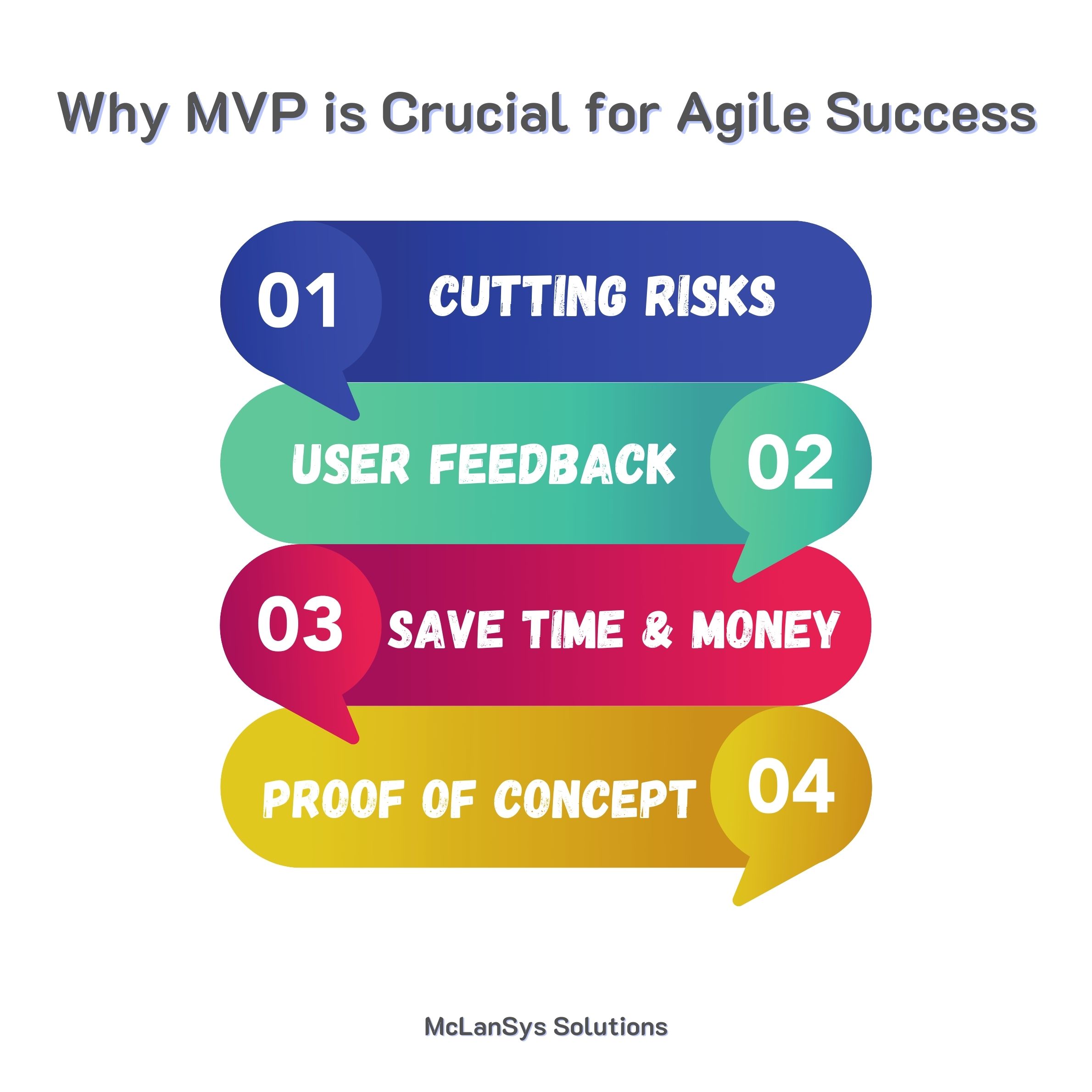
- Cutting Risks: With an MVP, we didn’t dump a pile of money into unproven ideas. Early on, we saw what worked and what did not.
- User Feedback: Releasing early meant we could hear directly from users. This helped in deciding which features were gold and which were junk.
- Saving Time and Money: Starting with just the basics meant we saved a ton of resources. We built only what users actually wanted!
- Proof of Concept: The MVP tested our ideas with real people. This helped us tweak our approach and catched the attention of early investors.
| Benefits of MVP in Agile | What It Did for Us |
|---|---|
| Lowered Risk | Saved us from big financial mistakes |
| Early User Feedback | Pointed us to must-have features |
| Efficient Workflow | Kept us focused on what mattered |
| Market Testing | Adjusted our game plan to fit real needs |
By using MVPs in our agile setup, we managed to build a product that hit the spot for our users without burning out our team or budget. Whether you are a fresh startup or an old hand, this approach can keep your business nimble and user-focused.
Why You Should Start with an MVP?
Lowering the risk diving headfirst into startup life is a wild ride, but using MVP (Minimum Viable Product) techniques can turn those sharp corners into smooth curves. Imagine testing out a new gadget with just the essentials—that’s your MVP. You can fine-tune the product before throwing heaps of cash into it. My own startup thrived using this method, as it let us gather real user feedback and adjust on-the-fly.
Think of an MVP as your test pilot. If your idea doesn’t quite take off, no sweat—you can tweak it without burning through your budget. It’s a game-changer, especially for startups that need to pivot fast based on real feedback.
Here’s what I loved about it:
- Saving Money: Testing the waters means not sinking cash into stuff users don’t care about.
- Real User Gold: Actual customer feedback helps us build what folks really need.
- Investor Green Lights: Even a bare-bone MVP can impress investors and get the wallets opening.
Prioritizing with Flexibility
What I found super helpful with MVP Agile was the flexibility in prioritization. No more wild guesses about what users might like—MVPs let us focus on what is truly needed.
MVPs helped us make smart decisions on what to build next, all fueled by customer feedback. Users pointed out what mattered most, keeping our development aligned with their needs. Plus, we could roll out updates in a snap, ensuring our product stayed relevant and user-focused.
| Perk | What It Means |
|---|---|
| Smart Choices | Build what users want, not guesswork |
| Quick Updates | Stay on top of changing needs |
| Avoid Waste | Focus time and money on what adds real value |
Using these MVP strategies streamlined our process, keeping us keyed into what users really wanted. Curious to know more. Explore our MVP development services.
Embracing MVP Agile development didn’t just lower risks for my startup—it made us agile and ready to prioritize like a pro. With these perks, we navigated product development challenges smoothly, setting ourselves up for success.
To dig deeper into how we can revamp your web development, swing by are detailed guide on outsourcing web development.
Steps for Agile MVP Development
Creating an MVP (Minimum Viable Product) using Agile methods involves a structured process, kicking off with defining the problem, and then moving on to feature prioritization. Here’s a peek at how I approached these steps for my startup:
1. Identifying the Problem
Before any coding or designing, I needed to pinpoint the exact problem my product aimed to solve. This stage is crucial because it gives you project direction. Here’s my game plan:
- Talk to Customers: Had one-on-one chats with potential users to get a feel for their daily struggles.
- Study the Market: Dug into what competitors are doing and where they are falling short. Spotted opportunities for my product to outshine them.
- Craft a Problem Statement: With all the intel from customer chats and market analysis, I drafted a simple, clear problem statement.
2. Picking the Right Features
With the problem defined, the next move was deciding what features to include in the MVP. Prioritizing features is key in Agile MVP development because it’s all about delivering high-value functionalities first. Here’s my plan:
- List Core Features: Based on the problem statement, I jotted down all features that could solve it.
- Rank by Value: I rated each feature on how well it tackled the problem. Those with the biggest bang were top of the list.
- Build a Roadmap: Created a step-by-step plan for developing and rolling out these features.
I used a basic feature prioritization matrix to keep things clear:
| Feature | User Value (1-10) | Dev Cost (1-10) |
|---|---|---|
| User Login | 8 | 2 |
| Issue Reporting | 10 | 3 |
| Basic Dashboard | 7 | 4 |
| Notification System | 5 | 5 |
We tackled features with high user value and low development cost first.
Focusing on these initial core features allowed us to build an MVP that effectively addressed the main problem areas. It set the stage for future enhancements, letting me gather crucial feedback from early users and refine the product.
For fellow startup founders working on their MVP, remember that the goal is to create something that solves the core problem well, even if it’s rough around the edges.
3. Bonding with Your Early Birds
One of the coolest things about using MVP agile development in my startup was the instant feedback we got from are early users. This feedback loop isn’t just invaluable; it’s a game changer. Launching an MVP lets you tweak your product based on real-life user input. It’s like having a direct line to what your audience actually wants.
Chatting with our early customers revealed insights that no survey or research could have captured. They pointed out usability hiccups and shared inventive ideas that had not crossed our minds. This real-world feedback sculpted our product roadmap, nudging us to focus on what truly matters.
Getting our first users involved also made them feel like they were part of the team. They were not just using our product—they were shaping it. This made them loyal supporters and valuable promoters.
4. Crafting the Future
Going agile means building fast, learning even faster, and constantly improving. It saved us time and money while keeping us nimble. MVP showed me that launching quickly and adjusting based on feedback is the way to build something users actually want.
Each tweak based on user feedback got us closer to a polished, user-friendly product. We cut the fluff and kept the features that really mattered. Partnering with a minimum viable product development services team also played a big role, as they was pros at agile methods. Connect with us today and get your FREE MVP development
We kept things organized with a simple progress table:
| Feature | User Feedback | Priority Level | Status |
|---|---|---|---|
| Login System | “Needs to be quicker” | High | In Development |
| Dashboard UI | “More intuitive controls” | Medium | Completed |
| Notification System | “More customization options” | Low | Planned |
This setup kept us on track and super-efficient. By the time we were deep into development, we had a high-quality product that users loved [IBM].
Embracing MVP in startup MVP development not only cut down on risks but also set the stage for long-term success. It let us stay in sync with what users needed as time went on. If you are a startup founder, grasping the power of MVPs in agile development is key to building products that hit the mark.