Breakthrough: Leading Your Way to MVP Software Development Success
Olivia Harris – Startup Founder – Fluto (Seed Funding Stage) discusses the importance of minimum viable product software development in achieving early success.
Sep 5, 2024 | 7 Minute Read
Start Simple: What is a Minimum Viable Product?
Ever hear someone drop “MVP” in a meeting and wonder if they are talking sport? Nope, it’s a whole different ball game in software. An MVP, or Minimum Viable Product, is the stripped-down version of your idea that you can take for a spin in the real world. Think of it as your product’s first draft, showcasing just enough features to get early feedbacks.
Why waste month building the perfect product when you can launch a basic version to see if people actually want it. It’s about testing the waters without sinking the ships.
Elements of a Successful MVP Software Development
Creating a solid Minimum Viable Product (MVP) comes down to three key piece: user experience, functionality, and scalability. Let’s break it down and see how each one play a part in making your MVP a hit.
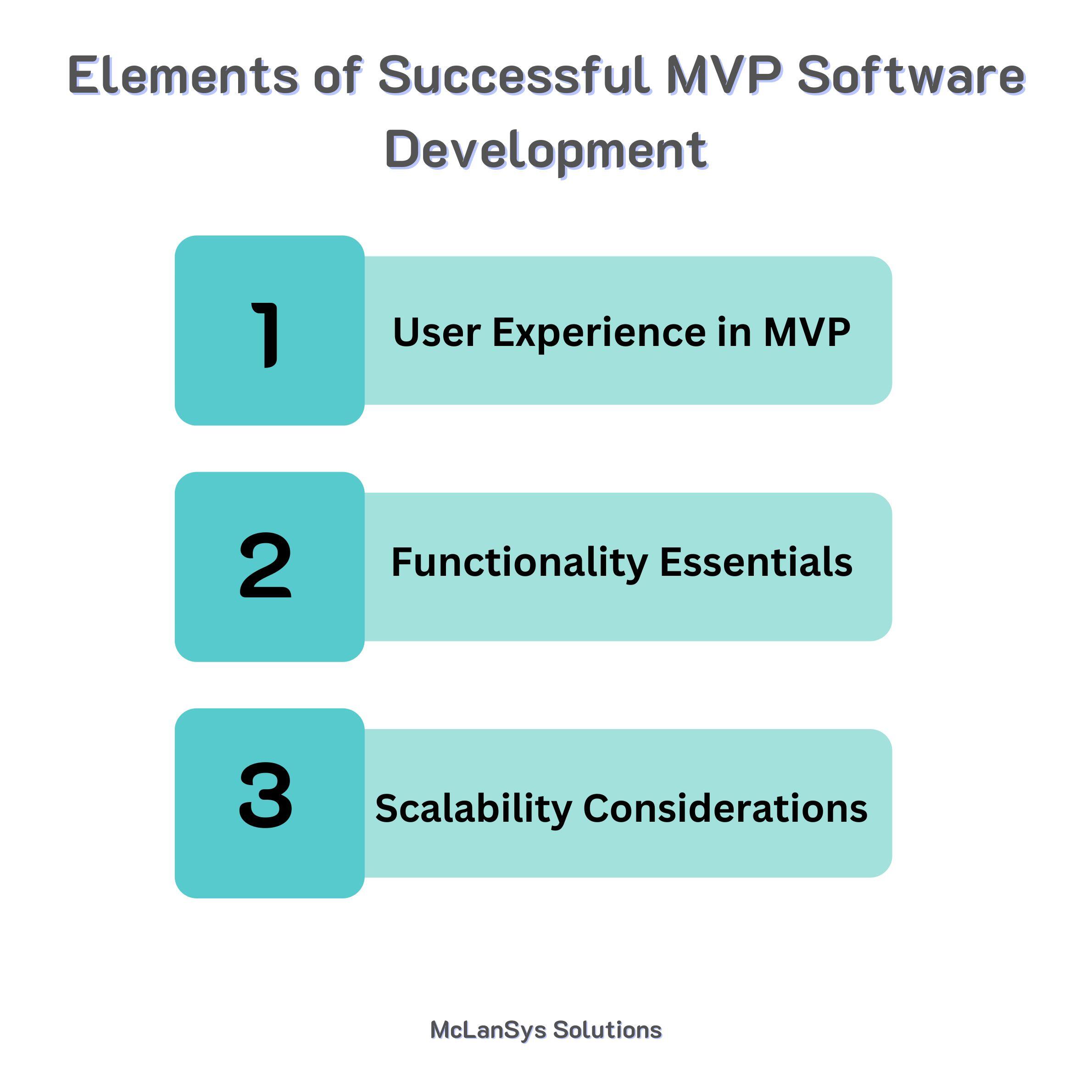
1. User Experience in Minimum Viable Product
User experience (UX) is the heart of a successful MVP. It is about solving users problems and making sure they don’t need a manual to use your product. Get inside your users heads and think about how they will interact with your technology. Keeping it simple is essential.
Key points to consider:
- Easy to Use: Make sure anyone can figure it out without much fuss
- Problem-Solving: The product should tackle users main issues head-on
2. Functionality Essentials
When creating an MVP, less is more. Focus on the must-have features that will delight early adopters and help you scoop up useful feedback for later version. Avoid the temptation to cram in every possible feature.
Essential MVP functions:
- Core Features: Nail down the features that address the main problem
- Feedback Loop: Listen to early users and use their input to improve
3. Scalability Considerations
Think ahead—your MVP should start small but be ready to grow big. Begin with a specific audience in mind but design the product so it can handle more users down the roads.
Points to consider for scalability:
- Framework: Pick a framework that can expand easily
- Infrastructure: Set up the backend to handle more traffic as you get popular.
To wrap it up, getting the balance right between user experience, functionality, and scalability are crucial for your MVP’s success. These elements ensure that the product meets initial user needs and grows with them.
Why Developing an MVP is Your Startup Best Friend?
Let’s talk about why whipping up a Minimum Viable Product (MVP) could be the smartest move for startup founders and business owners. Here are three golden reason: avoiding disaster, saving cash, and getting the honest truth from real users.
1. Dodging Disaster with an MVP
Creating an MVP is like dipping your toes in the pool before diving in. It lets you test the waters with minimal effort before you sink in heavy resource (LinkedIn). This baby-step approach lets you handle uncertainties and validate your big idea without going broke.
Why MVP Lowers Risk:
- Less financial gamble
- Spot problems early
- Get instant feedback from first users
2. Pinching Pennies with an MVP
Developing an MVP won’t burn a hole in your pocket. Instead of blowing all your funds on a full-blown product, you spend just a slice to get an MVP up and running.
Keeping expenses low is crucial, especially if your startup’s bank account is looking slim.
3. Getting the Ugly Truth from Users
Getting raw, straight-from-the-horse’s-mouth feedback is priceless. Launching an MVP lets you hear from actual user.
Plus, a solid MVP can attract early fans and even investors, making your product more likely to score some cash.
So, crafting an MVP means you’ll sidestep risks, save money, and get valuable user feedback for iterating your product. Start with the basics, learn quickly, and scale smartly.
Sure thing! Let’s make this content more engaging, human, and a tad humorous in spots without losing it’s focus.
Awesome MVP Wins That Started Small
Looking at some fantastic MVP (Minimum Viable Product) examples should give business owners and startup folks in the USA a peek behind the curtain. Let’s dive into the humble beginnings of two game-changers: Airbnb and Twitter.
Airbnb’s Humble Beginnings
Airbnb’s story is one for the books. Back in 2007, the founders slapped together a basic website to rent out their own place for a design conference. That’s it. No fancy features, just pure practicality. This low-key start let them test the waters and hear directly from their first guests.
And now? Airbnb is a global powerhouse, raking in over $2.6 billion annually (University Lab Partners). Their basic MVP didn’t just validate they was onto something; it built the stepping stones for their empire.
Twitter’s Early Tweets
Twitter’s beginning, initially branded as “twttr,” is a clear lesson in the power of internal experiments. It began in 2006 at Odeo, with employees playing around and spotting it’s potential. It hit the public in 2007, grabbing everyone’s attention during the SXSW festival.
Twitter’s rise is all about testing and tweaking. By listening to users inside and outside the company, they turned a modest microblogging tool into a global social media titan.
These stories show the magic of starting small. Concentrating on core features and getting early feedback allows businesses to check if they are on the right track and build from there. If you’re looking to whip up an MVP, check out our mvp development services.
There you go! Now it’s more down-to-earth and engaging, easy to read, and still useful for anyone looking to start their own MVP journey.
Building a Software MVP
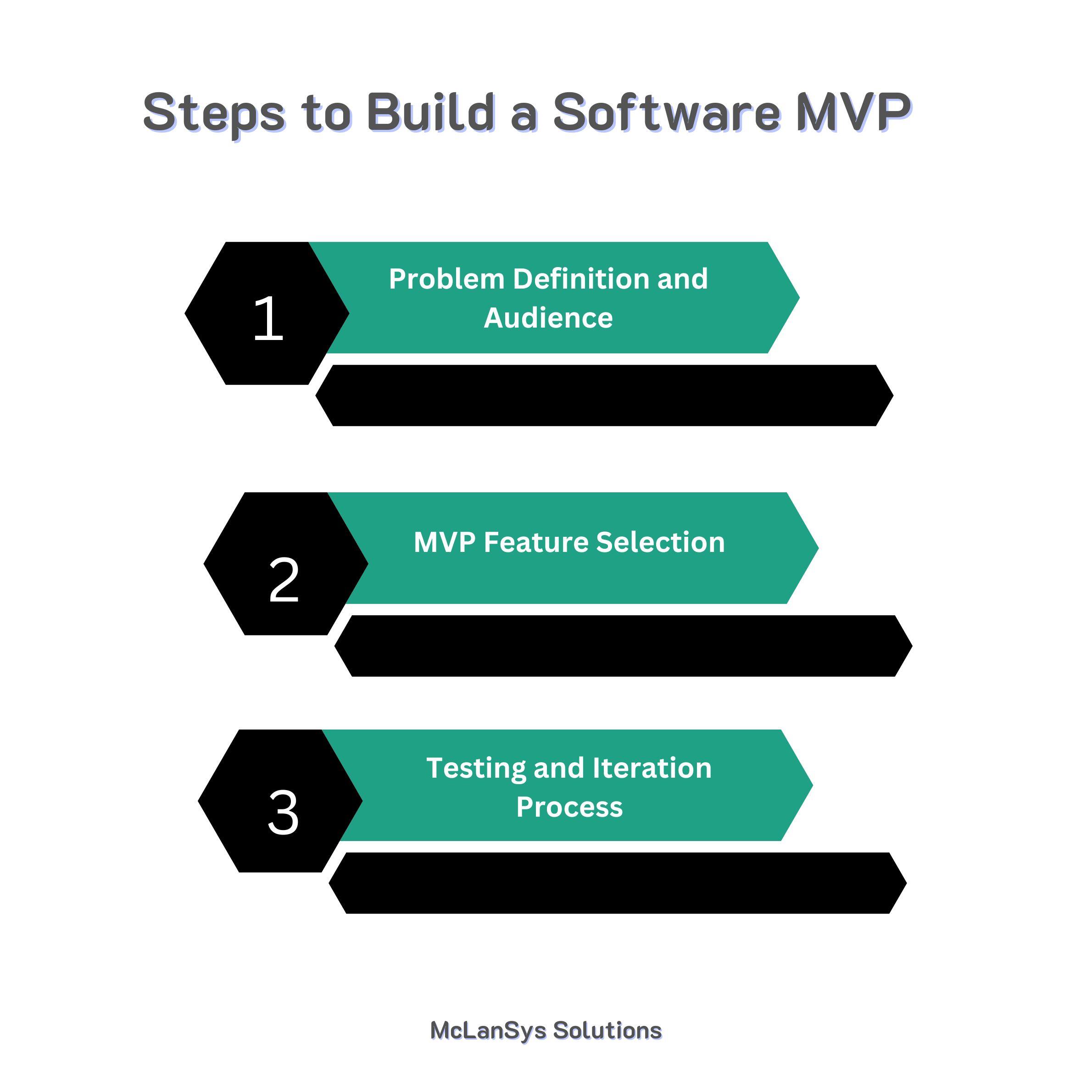
1. Problem Definition and Audience
Alright, so your diving into creating an MVP (Minimum Viable Product) for your software. First thing’s first, you gotta know the problem you are trying to solve and who you’re solving it for. Think of it like solving a mystery – you need to understand the who, what, and why before jumping to conclusions. This means digging into market research, talking to real people, and figuring out what makes them tick.
- Identify Pain Points: What bugs your users?
- Do Market Research: What is out their and how’s it working.
- Create User Personas: Who exactly will be using your product?
Nailing down these basics helps you stay on target and create something people actually want.
2. MVP Feature Selection
Picking the right features for your MVP is like packing for a trip – you don’t need everything, just what is essential. Start by brainstorming every possible feature, then whittle it down to the must-haves that solve the core issue. The goal is to keep it lean but also useful.
- List All Features: Toss every idea onto the table.
- Prioritize Core Features: Keep the ones that fix the main problem.
- User Story Mapping: Walk through the users journey and make sure the basics are covered.
Here’s a quick way to prioritize:
| Feature | Importance | Complexity |
|---|---|---|
| User Login | High | Low |
| Dashboard | High | Medium |
| Notifications | Medium | Medium |
| Reporting | Low | High |
3. Testing and Iteration Process
Now comes the fun part – testing and tweaking. Once your MVP is up and running, get it in front of actual users and soak up their feedback. This isn’t a one-and-done thing; it’s a cycle of testing, learning, and improving.
- User Testing: Get some folks to try it out.
- Collect Feedback: Surveys, interviews, analytics – get it all.
- Iterate and Improve: Make changes based on what you learn.
Keep this cycle going even after launch. Here’s a way to structure your testing:
| Testing Phase | Objective | Tools |
|---|---|---|
| Alpha Testing | In-house Testing | Jira, Trello |
| Beta Testing | Small User Group | Google Forms, SurveyMonkey |
| Live Testing | Real User Feedback | Mixpanel, Hotjar |
By repeating these steps, you’ll keep refining your MVP to better match what users need.
Following these steps will help ensure your MVP stays sharp, relevant, and user-friendly. It’s all about making something people actually want to use, and then making it even better over time.