Build Smarter, Faster: Low-Code MVP Development Platforms Unveiled
Liam Hayes – Startup Founder – Here, I have shared my insights on low code MVP development platforms.
Sep 19, 2024 | 4 Minute Read
Low-Code Development Platforms
Benefits of Low-Code Platforms Low-code platforms bring a lot to the table, particularly when you’re working on a Minimum Viable Product (MVP).
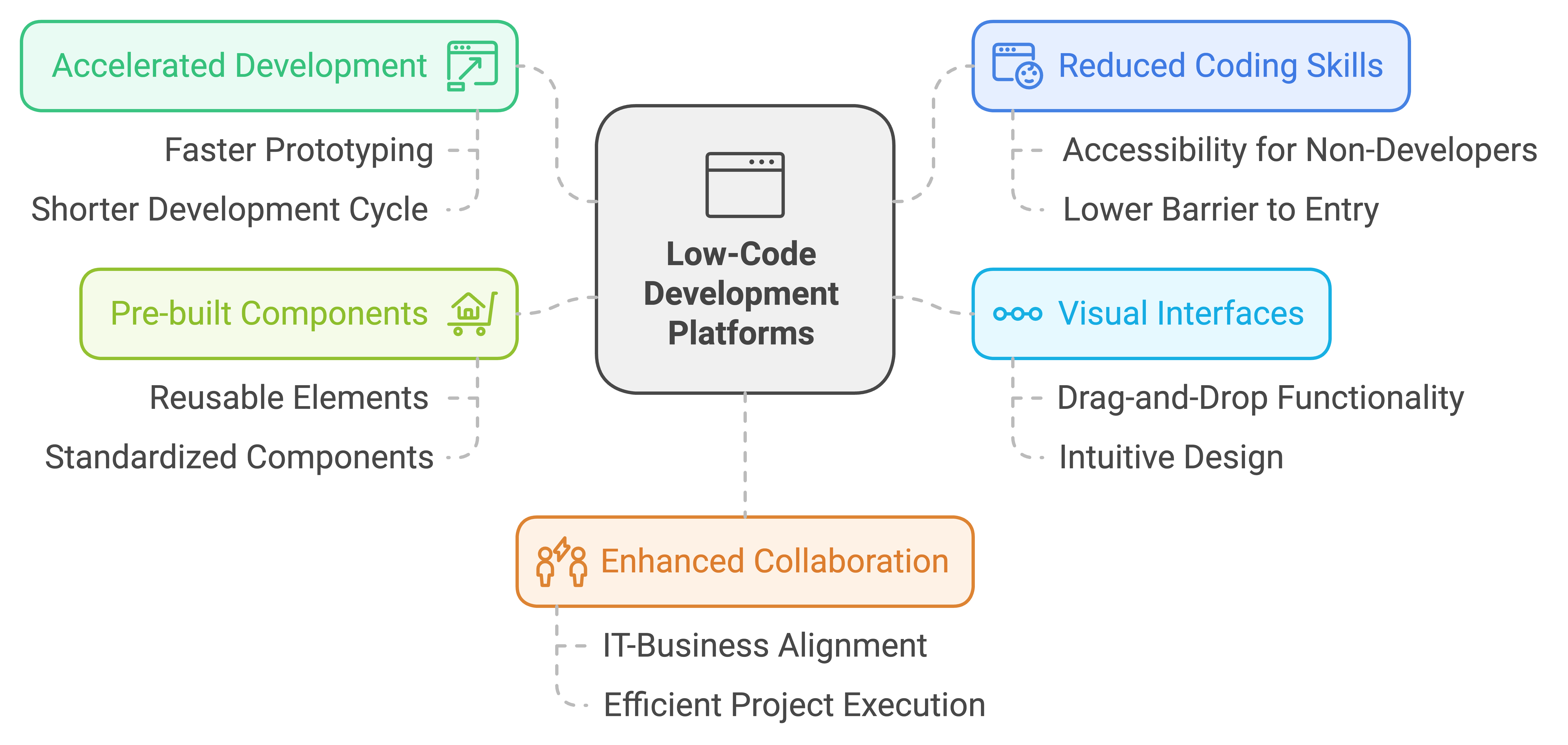
- Speedy Development: Building an MVP is way faster with low-code platforms versus traditional methods.
- Cost Savings: These platforms help 87% of businesses cut development costs. You save money on hiring expert developers, expensive hardware, software, and licenses. This is crucial for startups tight on funds.
- Flexibility: Quickly making changes and adapting to market feedback is a breeze. This flexibility is key when your product is still in that MVP phase.
- Easy to Use: Even if you don’t have tech skills, you can still build and tweak applications. Gartner says by 2025, more than half of low-code users won’t be tech experts—so it’s open to everyone.
- Reliable Performance: With a high reliability rate, 65% of companies trust these platforms for managing and storing tons of data effectively.
| Benefit | How It Helps |
|---|---|
| Speedy Development | Gets your MVP out there faster, cutting down time to market. |
| Cost Savings | Slashes expenses on development teams, hardware, and licenses. |
| Flexibility | Rapidly tweak and adapt to market shifts and user feedback. |
| Easy to Use | Lets non-technical users create and update applications. |
| Reliable Performance | Strong at handling and storing large volumes of data. |
For more insights on MVPs, check out Best and Proven MVP Development Tools.
Downsides of Low-Code Development
Low-code platforms have their perks, but they also come with some caveats.
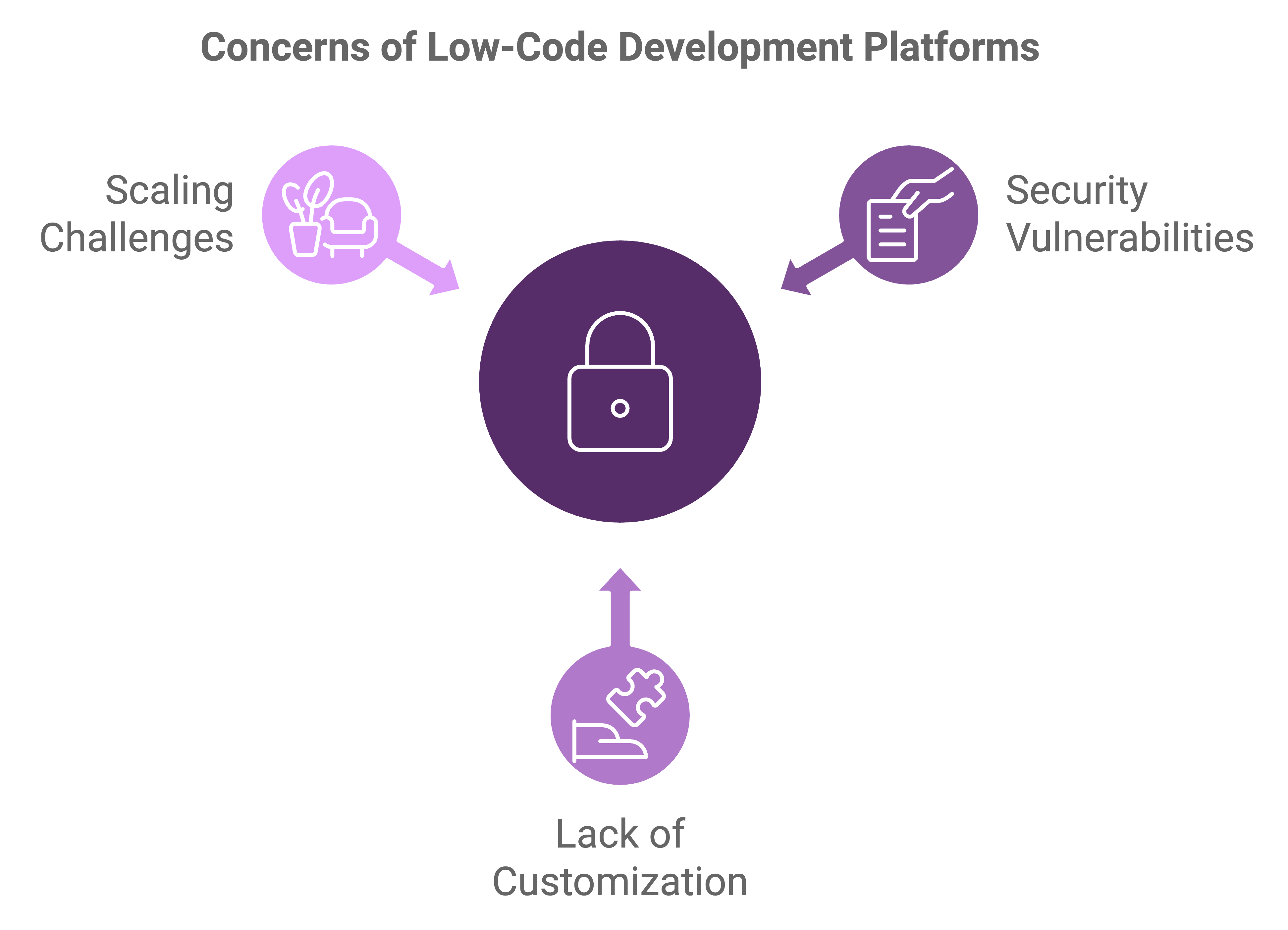
- Limited Customization: Sometimes, the pre-built components don’t offer the customization I need for highly specialized tasks.
- Platform Dependence: I’m at the mercy of the platform provider for updates, maintenance, and new features. If they change terms or services, that’s a risk to my project.
- Learning Curves: Even though they’re user-friendly, there’s still some learning involved to get the most out of these platforms.
- Performance Concerns: Low-code apps might not be as fast as those coded from scratch, which could be an issue for high-performance needs.
- Integration Woes: Plugging low-code solutions into existing systems can be tricky. They might not play nicely with some older enterprise systems.
To tackle these downsides, sometimes a bit of custom development is required. For more, take a look at No code MVP Success Tools.
By weighing the pros and cons of low-code platforms, I can decide if they’re the right fit for developing my MVP.
Success Stories and Market Trends
Low-code MVP development platforms are changing the game for app creation. Different industries are using these easy-to-use tools to stay ahead.

Industries Making the Most of Low-Code MVPs
Various sectors have jumped on the low-code bandwagon to speed up their workflow and boost efficiency. These platforms let businesses whip up Minimum Viable Products (MVPs) fast, letting them test ideas and get market feedback without drowning in code.
| Industry | Use Case Examples |
|---|---|
| Healthcare | Workflow apps, patient management systems |
| Finance | Custom financial tools, compliance tracking |
| Retail | Customer apps, inventory management solutions |
| Process Automation | Automating repetitive tasks |
| Rapid Prototyping | Quick new product ideas |
Take healthcare startups, for instance. They’re using low-code platforms to quickly build patient management systems and internal tools. Meanwhile, fintech startups are creating compliance tracking tools and custom financial apps with these low-code solutions.
Growth and Adoption of Low-Code Tech
The market for low-code and no-code tools is currently worth around $15 billion and is expected to hit $60 billion by 2026. A big reason for this surge is the need for speed—65% of companies are going low-code to get their products to market faster. These platforms offer reusable modules and code templates that make it easy to add third-party services and integrations.
| Year | Market Value |
|---|---|
| 2021 | $15 billion |
| 2026 (Projected) | $60 billion |
By 2024, about 65% of all app development will likely be driven by low-code platforms. Even big companies are catching on. Around 66% of them will probably use up to four low-code platforms. The buzz around low-code started in 2014, but it got a huge boost during the 2020 pandemic.
Among the top players, Mendix stands out, being named a leader in the 2023 Gartner Magic Quadrant. Known for its strong features and user-friendliness, Mendix is a go-to for businesses looking to develop MVPs quickly and efficiently.
Low-code platforms are making waves in how businesses create MVPs across different industries. This ongoing adoption and growth spotlight how important these tools are in our fast-paced digital age.
Useful Resources: