My MVP Chronicles: Conquering Common Failures for Business Growth
Olivia Harris – Startup Founder – In this article, we will discuss common MVP failures and how to avoid them.
Sep 17, 2024 | 5 Minute Read
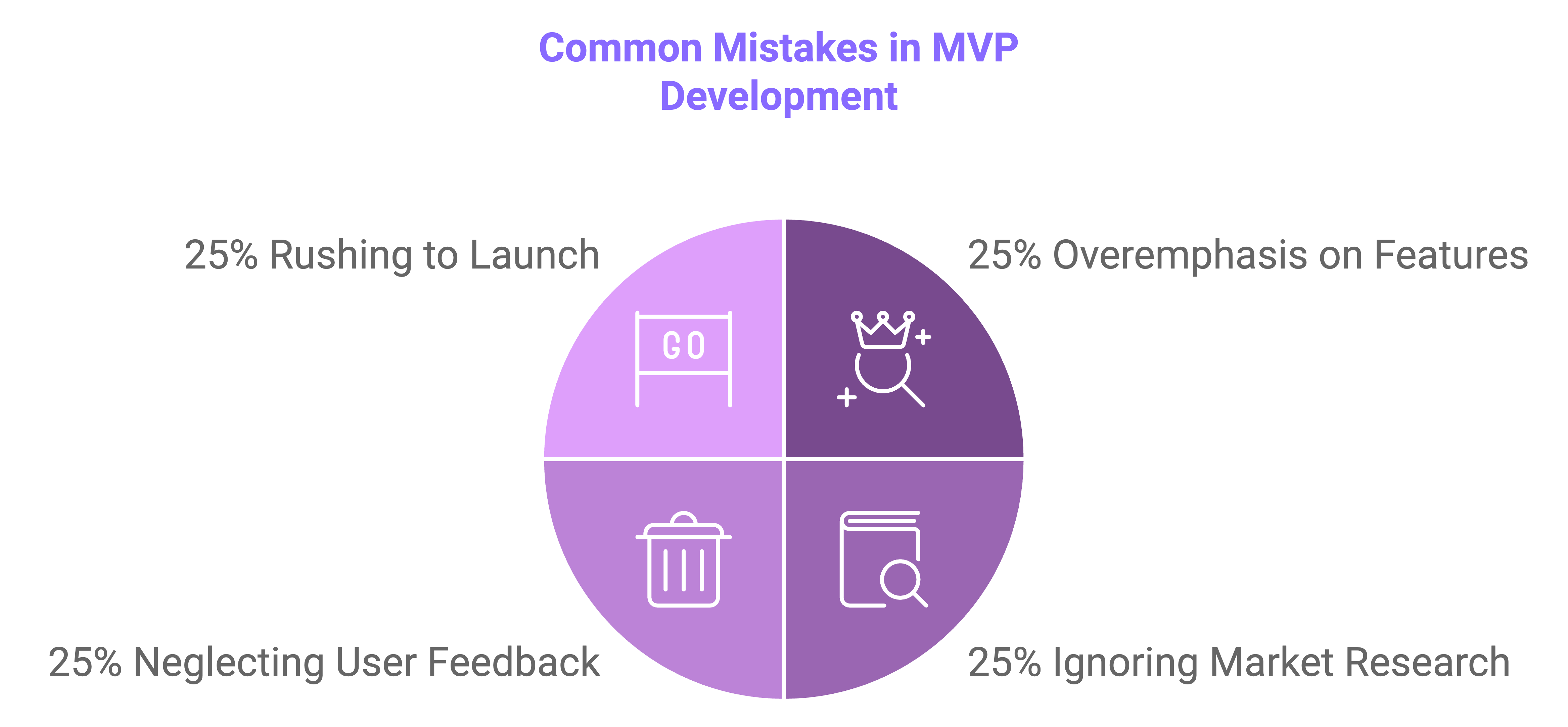
Common MVP Failures
Doing Market Research Right Matters
Skipping out on market research? That’s like trying to hit a bullseye blindfolded. You need to know who your people are, what keeps them up at night, and their wildest dreams if you want to make a product that clicks. Without this intel, you’re throwing darts in the dark. Dig deeper into our market validation for MVPs to get the full scoop.
Why Prototype?
Jumping directly into full-blown development without a prototype is like starting a novel without an outline. You risk ending up with something nobody wants to read—or use. Prototyping lets you test the waters and save yourself from wasting time, money, and sanity.
Monetization Plan? Don’t Wing It!
If you think money will magically pour in once your MVP goes live, think again, friend. An unclear monetization strategy can leave you broke with users running the other way. You need a solid plan for raking in cash and keeping customers happy. Need ideas? Head over to our MVP monetization tactics article.
Skimping on Security? Big No-No
Ever thought about rushing your MVP out only to have it blow up in your face because of a security flaw? Yeah, that’s a nightmare. No one wants to deal with hacked user data or legal drama. Taking security seriously right from the get-go is non-negotiable. Learn more about in our Agile MVP Development Cycle
Don’t Stuff Too Many Features
Trying to cram every idea you’ve got into your MVP? You’ll end up with a bloated Frankenstein of a product. Not to mention, it’ll take forever to build. Focus on the essentials, the real gems that make your project shine. For some tips on trimming the fat, visit our page on prioritizing core features for MVP.
| Common MVP Failures | What’s the Big Deal? |
|---|---|
| Lack of Market Research | You miss the mark on user needs and desires |
| Skipping Prototyping | Wasting precious resources and missing the point |
| Poor Monetization Plan | Revenue struggles and user retention issues |
| Weak Security | User data is at risk, hello lawsuits |
| Feature Creep | Long development times and zero focus |
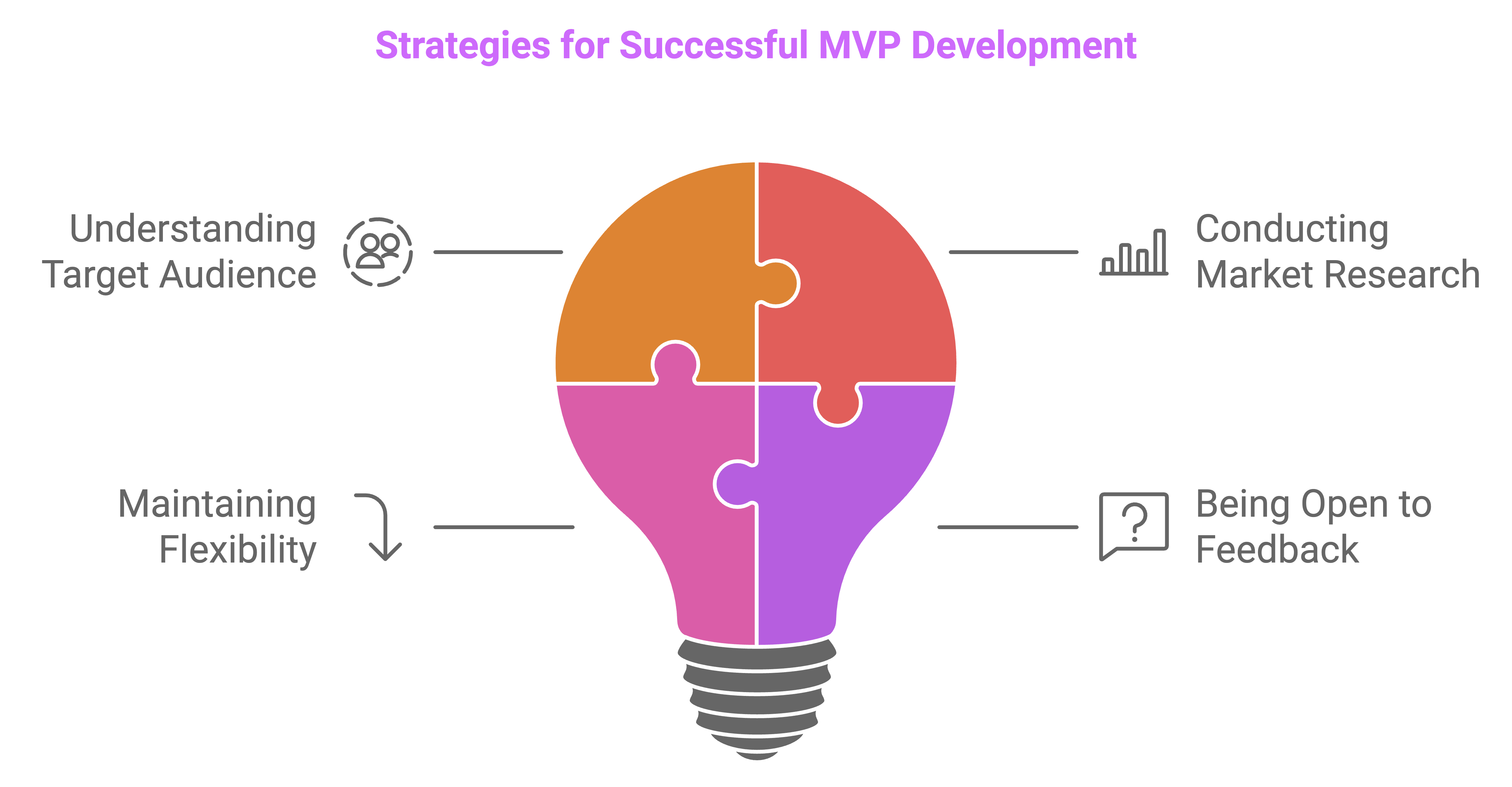
Avoiding MVP Failures
Making a minimum viable product (MVP) can be a wild ride. But, hey, crashing halfway is not an option. Here’s my story and how I dodged the major landmines.
Finding Your Crowd
Let’s face it, jumping into a crowded market without a plan is like diving into a pool with no water. Ouch! So, I dug into who was out there and what they needed that no one else was giving them. Instead of being just another fish in the ocean, I found myself a snug little pond. Doing this not only made my MVP stand out but also made folks feel like it was built just for them.
Listening to the People
Guessing what people want? Not a good idea. So, I bugged actual users and got them to spill the beans. Surveys, beta tests – you name it, I did it. Quick story: Dropbox started with just syncing files because users said they needed it. And Airbnb? They flipped their pitch to whole home rentals based on feedback. This same magic worked for me. It revealed problem areas and made tweaking the product a walk in the park.
Keeping It Simple, Smarty
It’s easy to get carried away and cram your MVP with bells and whistles. But here’s the kicker – too much stuff just makes everything slower and messier. So, I focused on the must-haves. Here’s a snapshot of my playbook:
| Stage | Core Features | Time (weeks) |
|---|---|---|
| MVP | 3-5 | 6-8 |
| Beta | 6-8 | 8-10 |
| Final | 10-12 | 12-16 |
Less is more, right? This kept users smiling and zeroed in on what truly mattered.

Tweaking Based on Feedback
Real people, real feedback. Collect it, study it, and use it. Instagram did just this when its MVP hinted folks loved sharing photos. Boom! They zoomed in on that one feature. Following this path, I made sure I was constantly improving the MVP, smoothing out the wrinkles early on.
Having a Game Plan
Flying blind? No way! A clear path is crucial. I mapped out everything – why we were doing it, how we’d market it, and what success would look like. This roadmap kept everyone on the same page and chased away any chance of tripping over a lousy strategy. Avoiding the usual MVP traps isn’t easy, but gearing up with these strategies? It makes success taste even sweeter.
Cheers to creating something that not only launches but actually sticks!
7-Key-Steps-to-MVP-Success-in-Web-DevelopmentFAQs
1. What is a common reason for an MVP to fail?
An MVP might fail due to a lack of market need, inadequate customer feedback, or misalignment between the product features and customer expectations.
2. What is one common risk when developing an MVP?
One common risk is overscoping the product features, which can lead to increased costs and extended development times, potentially exhausting resources before the product gains traction. Learn more on Embrace Change: MVPS Drive Global Expansion Efforts
3. What are the 3 key parts to a good MVP?
The three key components of a good MVP include a clear value proposition, essential features that meet the user’s primary needs, and a plan for collecting user feedback.
4. What are the common mistakes that are committed while building minimum viable products?
Common mistakes include neglecting user feedback, failing to iterate based on insights, and not having a clear metric for success.
Useful Resources: