Startup or Enterprise: MVP Decisions Simplified
Olivia Harris – Startup Founder – Discussing the differences in creating an MVP for startups vs enterprises.
Sep 18, 2024 | 5 Minute Read
MVP Development for Startups: The Lowdown
Why MVPs Matter for Startups
Alright, so you’ve got a killer idea, but how do you make sure it’s not a dud? That’s where an MVP (Minimum Viable Product) steps in. Think of it as your product’s first solo—testing the waters without breaking the bank. Quickly and cheaply, you can see if folks actually dig it or if it needs a little more polish. Real people’s feedback? Priceless.
Look, 75% of startups tank because they dive in too deep, too fast, according to Startup Genome. So, it’s smart to keep it simple with an MVP, and make sure you’re on the right track before you start throwing cash around. Keeping the costs low means you can focus on what really matters and avoid a financial facepalm.
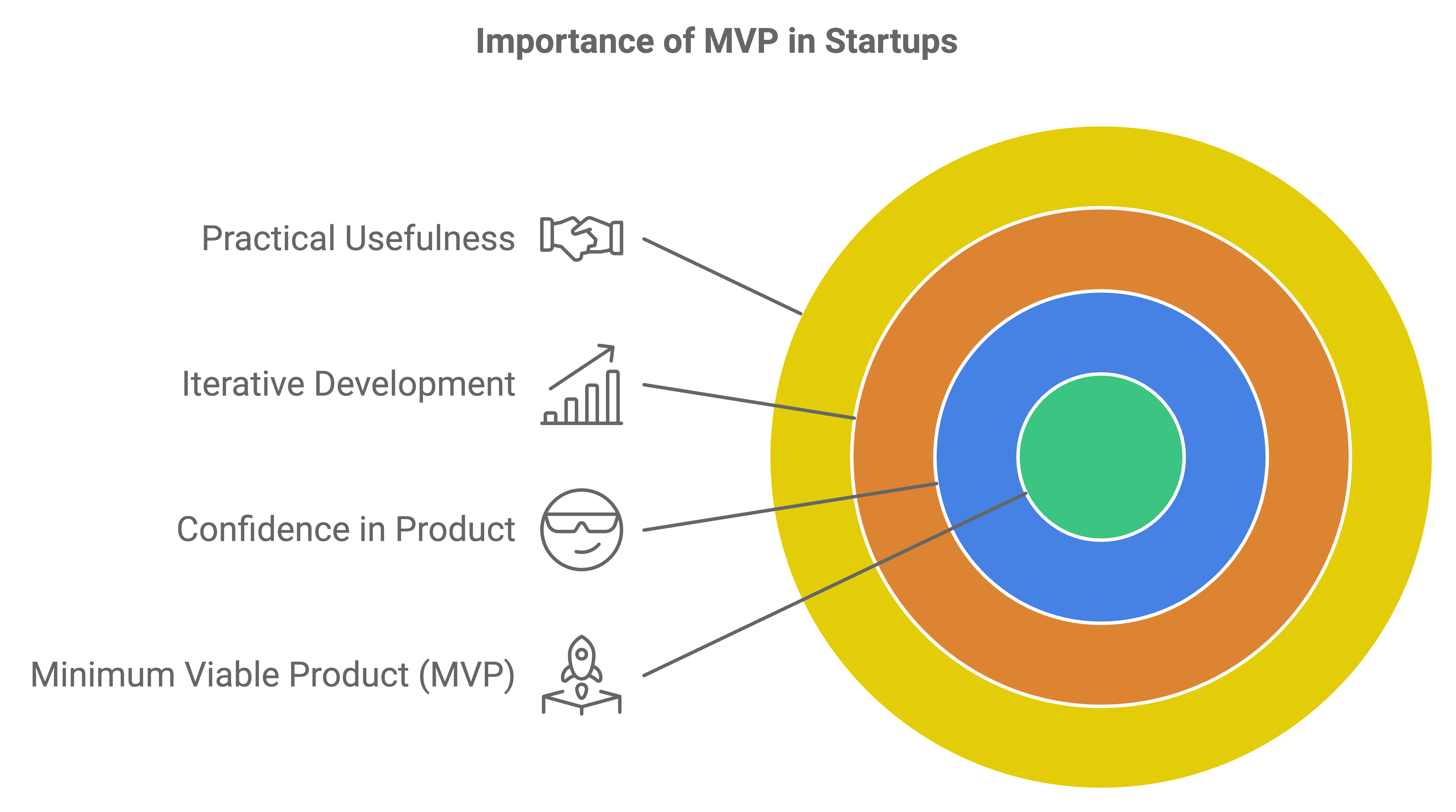
But here’s the kicker: with an MVP, you hit the market sooner. Get buzz, attract early adopters, and use their insights to shape up your product. It’s like getting the cheat codes without cheating.
| MVP Perks | What It Means for You |
|---|---|
| Saves Cash | Focus on the essentials and spend smart. |
| Problem Spotter | Catch issues before they get big. |
| Speed to Market | Be the first to snag interest. |
| User Feedback | Real-world opinions to guide your tweaks. |
Need more information? Check out our Accelerate Time to Develop an MVP next.
MVP Wins: From Small Start to Big Deal
Take a look at these legends; they all started with an MVP and scaled big. This isn’t just folklore—these startups got it right from the get-go.
Dropbox
Before becoming a must-have, Dropbox used a simple video to show off its magic. No fancy build, just a vid. It nailed early user interest, proving their concept was golden before they went full throttle.Airbnb
Airbnb’s idea started with the founders renting out their own pad. This hands-on MVP proved people were keen on the concept, giving them the green light to push forward.Instagram
Instagram was once Burbn, focused on check-ins and photos. Users loved the photo part, so they chucked the rest and zeroed in on what folks wanted—making Instagram a runaway hit.

Catch more MVP tales MVP KPIs for Optimal Results.
| Startup | First MVP | What Happened |
|---|---|---|
| Dropbox | Video demo | User interest skyrocketed |
| Airbnb | Founders’ apartment | Proved people wanted it |
| Burbn app | Refined to photo-sharing only |
Learning from these champs, your MVP can be the seed that grows into something huge. Need more pointers on shaping up your MVP? Peek at MVP Market Validation.
MVP Development for Enterprises
Creating a Minimum Viable Product (MVP) in a big company is a whole different animal compared to a startup. The goal is the same—test your idea without breaking the bank—but the playbook changes a lot.
How Enterprises Handle MVP Development
Big companies come with some neat perks. They have a solid reputation, steady ground to stand on, and long-running relationships with clients and partners. Here’s how they often get things done:
Team Player Mindset: In large companies, it’s a must for project leads to work hand in hand with people from marketing, sales, legal—you name it. This ensures the MVP fits the brand and business strategies.
Using What’s Already There: Enterprises can tap into their existing setup like tech stacks, customer lists, and in-house know-how. This trims down the costs and speeds things up big time.
Feedback Loop from Existing Customers: Big companies usually already have a customer base to hit up for feedback. This enables a much more data-based approach for tweaking the MVP (gathering user feedback for mvp).
Tryouts and Test Runs: Many enterprises kick off with pilot programs or beta tests. This helps gather real-world insights and fine-tune the MVP based on the data.
The Bumps on the Road for Enterprise MVPs
Even with all the advantages, it’s not all smooth sailing. Big companies face some tricky roadblocks:
Slow Paper Pushers: Approvals can lag thanks to all the red tape. It calls for advanced planning and smart project management to get through these bureaucratic barricades.
Talking in Circles: With more folks and departments in the mix, messages can get scrambled. Good comms strategies and clear docs are key to keeping everyone in the loop.
Walking the Tightrope between Innovation and Safety: Enterprises have a brand reputation to guard. This can make them wary of risks. Striking a balance between being innovative and risk-averse is crucial.
Juggling Resources: Even with more resources, allocating them effectively to MVP projects can be a headache, especially with other projects in play. Clear priorities and smart resource management are vital.
| Enterprise MVP Development Challenges | Why It’s Tough |
|---|---|
| Slow Paper Pushers | You need to plan ahead because approvals can take forever. |
| Talking in Circles | More people means more chance of mixed messages—good comms are a must. |
| Innovation vs. Safety | Protecting the brand while trying new things isn’t easy. |
| Juggling Resources | Figuring out where to put your resources among all projects can be tricky. |
Mastering these strategies and navigating the common obstacles can help big companies get their MVPs right on the money, leading to a perfect product-market fit before going all out.
Useful Resources: