Crafting Your Path: Navigating Agile Sprints for MVP Development
Olivia Harris– Startup Founder – When developing a minimal viable product, using agile sprints for MVP development can significantly enhance the process.
Sep 13, 2024 | 3 Minute Read
Choosing the Right Sprint Length
When diving into agile sprints for MVP development, nailing the right sprint length is key. Let’s dig into what affects sprint length and how to hit that sweet spot for your team.
What is Messing with Sprint Length?
As a Product Owner, you’ve got a few juggling balls when it comes to figuring out the perfect sprint length:
- Team’s Groove: Developers like longer sprints—fewer meetings, more time to code. Shorter sprints can feel like speed bumps.
- Frequency of Deliverables: You want a steady stream of progress without burning out the team. Balance is everything.
- Scrum Rules: Scrum doesn’t tie you down. You get to pick the length that fits your project style and team vibe.
- Learning Curve: The first sprint is your sandbox. Test the waters, see what works, and tweak the length as needed based on how well the team adapts and performs.
Nailing the Sprint Duration
We’re aiming for a sprint length that cranks up productivity and wraps up worthwhile chunks of work. Here’s how we do it:
- Team Pow-Wow: The Product Owner and Development Team all chip in on the decision. Everyone’s voice matters, so no one gets left in the dust.
- Work vs. Talk: Trying to pick a sprint length that balances coding time with meeting time. Keeping the train running smoothly without too many stops.
- Test and Tweak: Be ready to change it up based on what we learn from the first few sprints. It’s an ongoing process to fine-tune our approach.
By hashing out these factors and working together, we can zero in on the perfect sprint length. This helps streamline MVP development and boosts our chances of a killer product launch.
For more details on MVP development and the art of good sprint lengths, check out our articles on MVP development services.
Dive into MVP Development
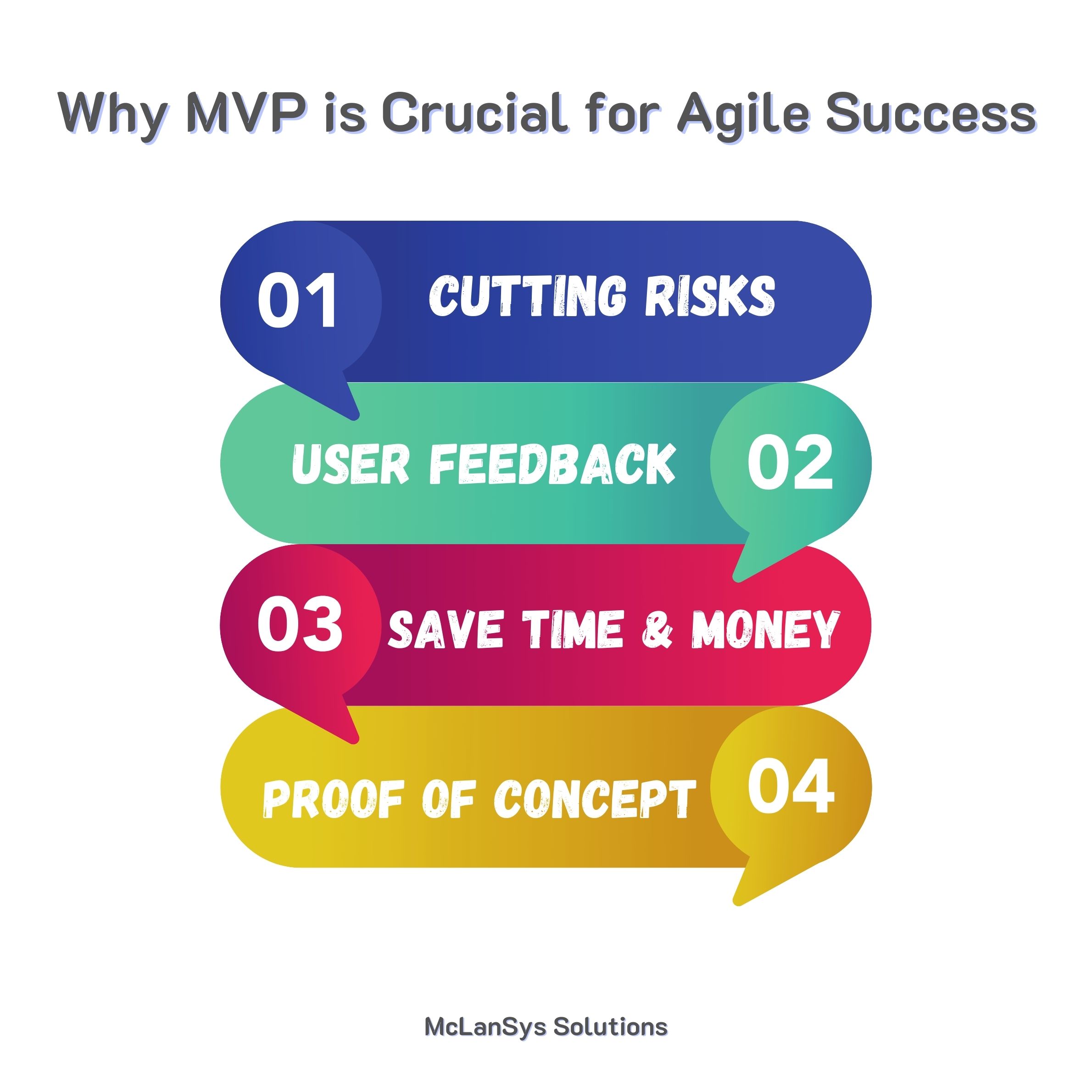
An MVP, short for Minimum Viable Product, is all about testing ideas on the cheap. Instead of throwing time and money at a full-fledged product, you start small. This is the heartbeat of Agile: create something basic that does the job, get it into the hands of users, and let them tell you how to make it better.
Think of an MVP as the first pancake in the stack — good enough to eat but room for improvement. It should solve a real problem without bells and whistles, be good enough for users to get stuff done, and be a base to build on with feedback.
By rolling out an MVP, you keep potential headaches at bay. You speed things up, cut down on guesswork, and avoid big-time project fumbles.
Lean development goes hand-in-hand with MVPs. It’s like MVP’s frugal cousin, all about cutting waste and delivering stuff users actually want, bit by bit. This method zeros in on quick delivery and constant tweaks based on what real people say.
When you break your project into bite-sized phases like MVP, 1.0, 1.1, and so on, you dodge the monster that is scope creep. Each version stays on track, but there’s always wiggle room to tweak things.
Running Agile Sprints for Your MVP
Agile sprints and MVPs — match made in heaven. Sprints are short, focused bursts of work that let you launch quickly, stay flexible, and learn in real-time (IBM).
| Agile Sprints | MVP Development |
|---|---|
| Fast launches | Idea testing |
| Flexible process | Cutting risks |
| Real-time learning | Quick feedback |
If you’re itching for more information check these out:
This step-by-step MVP approach means you’re shaping a product that fits actual needs, not just some wild guess. Each sprint lets you adapt and listen to real-world feedback, making sure your final product hits the mark and trends just right.