Empower Your Startup Development with MVP Lean Strategies
Liam Hayes– Startup Founder – Here, I’ll share my insights on MVP lean development.
Sep 11, 2024 | 8 Minute Read
Understanding MVP in Lean Startup
The Lean Startup method is all about not wasting time or money and learning fast. It revolves around this build-measure-learn loop. You start with a Minimum Viable Product, or MVP, to get the ball rolling. Here’s the lowdown:
- Build: Whip up an MVP with just enough features to get folks interested.
- Measure: See how they use it and gather datas.
- Learn: Analyze all that info to decide your next move. Rinse and repeat this loop, and you’ll quickly figure out what works and what does not.
Why MVP Matters for Startups
From where I stand, going with a MVP is a no-brainer for startups looking to hit it big. The idea is to start small, only with the must-have features, and avoid the classic trap of creating a bloated product nobody wants. Why MVPs rock:
- Early Feedback: Get users opinions right from the start, so you can tweak your product based on real needs and expectations.
- Real Learning: Get actual data with minimal work. You’ll quickly find out if people actually need what you are offering.
- Save Resources: Focus on the bare essentials first. This way, you avoid wasting time and money on stuff your audience doesn’t care about.
| Benefits of MVP | What’s in it for You? |
|---|---|
| Real Learning | Get data to verify your assumptions. |
| Save Resources | Skip adding unnecessary features. |
| Early Feedback | Align development with user needs right from the get-go. |
So, as you dive into MVP development, remember this: using Lean Startup practices and focusing on MVPs can help you create adaptable, user-focused products with a better shot at success.
Making a Winning MVP
Building a top-notch MVP is almost like cooking up a great dish in the kitchen. You need the right ingredients and a well-thought-out recipe, but let’s break it down into manageable steps.
Nailing Down the Core Value
First things first, know your crowd. I dove into who my users were — their habits, ages, likes, dislikes. This info set the stage for my problem statement, making it super clear what my MVP needed to fix. Here’s a cheat sheet I used:
| Core Value | Example |
|---|---|
| Problem | People can’t keep track of their expenses. |
| Audience | Urban techies, 20-35 years old. |
| Solution | An app that automatically tracks spending. |
- Keep the problem straightforward.
- Your audience should be crystal clear.
- Make sure the solution directly solves the problem. This clarity makes it easier to whip up an MVP that actually matters.
Getting to Work
Development, Prototyping Sketches and wireframes were my initial steps. These rough drafts helped tackle potential design hiccups. Think of wireframes as a skeleton showing where everything goes. Here’s what my wireframe looked like:
- Main Screen: Dashboard for main features.
- Expense Input: Enter and categorise expenses.
- Analytics: Visual breakdown of your spending. Next, I built a basic prototype to test how users interact with it. This stage is all about ironing out wrinkles before full-scale development. It helps you understand if you are hitting the mark with the solution you have envisioned.
Here’s a loose version of my process:
- Sketch/Blueprint: Lay out key features and their connections.
- Prototype: Build a working mockup of the MVP.
- User Testing: Collect real user feedback and adjust. Constant iteration based on feedback is crucial. Here’s a simple feedback loop I used:
| Step | Do This | Example |
|---|---|---|
| User Testing | Observe user interaction with the MVP | Track behavior and feedback |
| Categorize Feedback | Sort comments | Requests, issues, suggestions |
| Implement Changes | Update based on feedback | Improve user experience |
| Retest | Validate changes with users | A/B testing |
Following this path ensures your MVP develops in line with what users need, making it more valuable and user-friendly. The name of the game is to work smart, not hard. Focus on essential features, test them out, and adapt. This lean approach helps you find out early if your idea is a no-go, saving time and resources. For a deeper dive into MVP creation, take a look at our article on MVP in software development.
Challenges and Pitfalls of MVP
1. Finding the “Minimum” in MVP
Figuring out the “minimum” in a Minimum Viable Product can get tricky. It’s all about balancing just enough features that attract early users but don’t go overboard. From my own experience, defining an MVP isn’t about following a textbook formula. You got to rely on a mix of gut feeling, market insights, and sometimes a bit of trial and error. How to nail the ‘minimum’ in MVP?
- Understand your main selling point
- Focus on essential features first
- Test the market quickly to check your assumptions.
2. Dealing with Stakeholder Pushback
Getting everyone on board with the MVP approach can be a headache. Some folks worry it’s too simplistic or think you’ll be wasting time on an unfinished product. Clear and open communication is key. You have to explain the benefits of the MVP approach and how it reduces risk by quickly validating assumptions. Keep everyone in the loop from day one. Tips to win over stakeholders:
- Schedule regular updates and feedback meetings
- Highlight any early successes from your MVP
- Take their feedback seriously and show how you are using it
| Strategy | Method | Outcome |
|---|---|---|
| Regular Updates | Monthly meetings | Builds trust |
| Showcasing Success | Case studies | Positive vibes |
| Including Feedback | Surveys | Better cooperation |
Using these methods keeps everyone on the same page and makes the whole process smoother. For more advice on handling these issues, check out our article on MVP development.
Scaling and Improving Your MVP
Taking your MVP (Minimum Viable Product) to the next level is a big deal in the lean startup game. Let’s break down some real-world ideas and tips on how to make your product better and prove it works, without all the techy mumbo-jumbo.
1. Figuring Out What Works (And What Don’t)
Before you go big, you gotta know if people actually want what your selling. Think about who your customers are and why they need your product. Here are some straightforward ways to find out:
| What You Think About | How to Check It Out | One Thing to Measure |
|---|---|---|
| Who needs it? | Surveys, Chats | Age, Interests, Buying Habits |
| Which group is best? | Test with Landing Pages | Sign-Up Rates, Clicks |
| Does it help them? | Small Trickles of Your Product | User Reviews, They Keep Coming Back |
| How much will they pay? | Play with Prices | How Many People Buy It |
| What will it cost? | Crunch Some Numbers | Cost to Get a New Customer |
When you test your ideas, set a goal. If it hits that goal, sweet! If not, it might be time to change gears or drop it.
2. Build, Measure, Learn (Repeat)
This is your MVPs magic formula. Don’t fuss over all the bells and whistles, just focus on a small, usable piece of your product and see how people like it. Here’s how:
- Build Something Small: Only include the must-have features.
- See What People Think: Get real feedback.
- Learn From It: Did users like it? Any hiccups? Fix and improve.
Let’s say you make a simple app for busy parents to organize their kids school schedules. First, you build the basic layout where they can input events and set reminders. You show this to a group of parents and watch how they use it. They tell you some things that are confusing or annoying. You tweak the design and add a feature they requested. Rinse and repeat.
This strategy helps you adjust based on what folk’s really want, instead of guessing (The Lean Startup).
For more tips, our MVP Development Template has everything you need. And if you are just getting started, our Essential Tools and Resources for Lean Startup which is available for free download below can point you in the right direction. Get these basics right, and you’ll be setting your product up for success in the right direction!
Essential-Tools-and-Resources-for-Lean-MVP-Development-copyFAQs
1. What is MVP development?
MVP (Minimum Viable Product) development is the process of creating a product with only the essential features needed to validate an idea with early adopters. The goal is to gather feedback and make improvements while minimizing risks and costs. Learn more about MVP development in our article “Elevate Your Startup: How an MVP Can Propel You Forward“.
2. What does MVP stand for in programing?
In programing, MVP stands for Minimum Viable Product. It refers to the first functional version of a software application with only the necessary features to be tested by users. This helps in validating the product idea without spending resources on full development.
3. What does MVP stand for?
MVP stands for Minimum Viable Product, which is a concept used in product development to create a version of a new product that has just enough functionality to be used by early customers for feedback and validation.
4. What is the MVP process in product development?
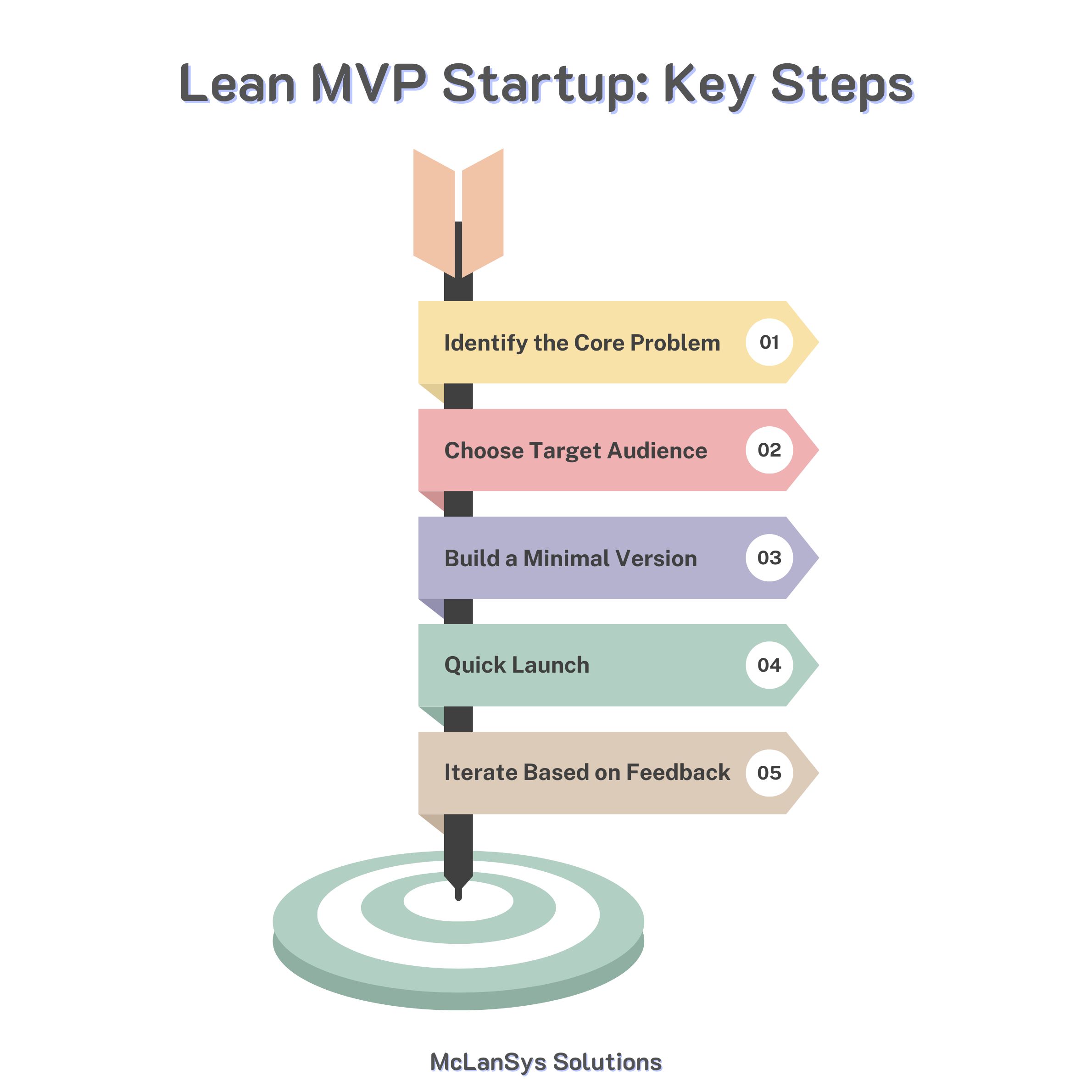
The MVP process in product development involves identifying the core problem, defining essential features, building the MVP, launching it to early users, gathering feedback, and iterating based on insights to improve the product. Read our detailed guide “My Startup Dream: MVP Development Strategies for Successful Companies“ to understand how to create a successful MVP.
5. What is an example of a minimum viable product?
A well-known example of an MVP is Dropbox, which started with a simple video demonstration of the product concept. The video was used to gauge interest and gather user feedback before building the full product.
6. What is the definition of a minimum viable product?
A Minimum Viable Product (MVP) is a product with just enough features to satisfy early adopters and provide feedback for future product development. It allows startups to test their product ideas without fully developing the entire solution.
7. How to define a minimum viable product?
To define a minimum viable product, focus on identifying the problem your product will solve, list the core features required to address that problem, and ensure the product can be launched quickly for feedback. Explore are post on “From Idea to Reality: How an MVP Developer Can Transform Your Startup?“.
8. What are the best examples of a minimum viable product?
Some of the best examples of MVPs include Airbnb, which started by renting out a single room and Dropbox, which launched with a demo video. These companies used MVPs to validate demand before fully scaling there businesses. Check out “Your Path to Success: How to Launch Your Minimum Viable Product App in 2024?“ for more inspiring MVP stories.
9. What are the types of MVP?
There are several types of MVPs, such as Concierge MVPs, where manual efforts are used to deliver the service, and Wizard of Oz MVPs, where users interact with a product that seems automated but is actually powered by human effort behind the scenes.
10. What are the stages of an MVP?
The stages of an MVP include identifying the problem, building the core product, testing it with early users, collecting feedback, and iterating to improve the product based on the collected datas. For a more detailed breakdown, read “Fueling Success: My Experience with MVP Web Development“.