Unlocking Success: How I Achieved GDPR Compliance for My Business
Olivia Harris – Startup Founder – When it comes to managing a startup, ensuring GDPR compliance is crucial for protecting user data and building trust.
Sep 27, 2024 | 5 Minute Read
Hiring Developers in India
The decision to hire developers from India proved to be a successful one for my business, especially when working towards achieving GDPR compliance for my operations. Here, I will detail the advantages and challenges I encountered during this journey.
Advantages of Outsourcing
Cost-Effectiveness
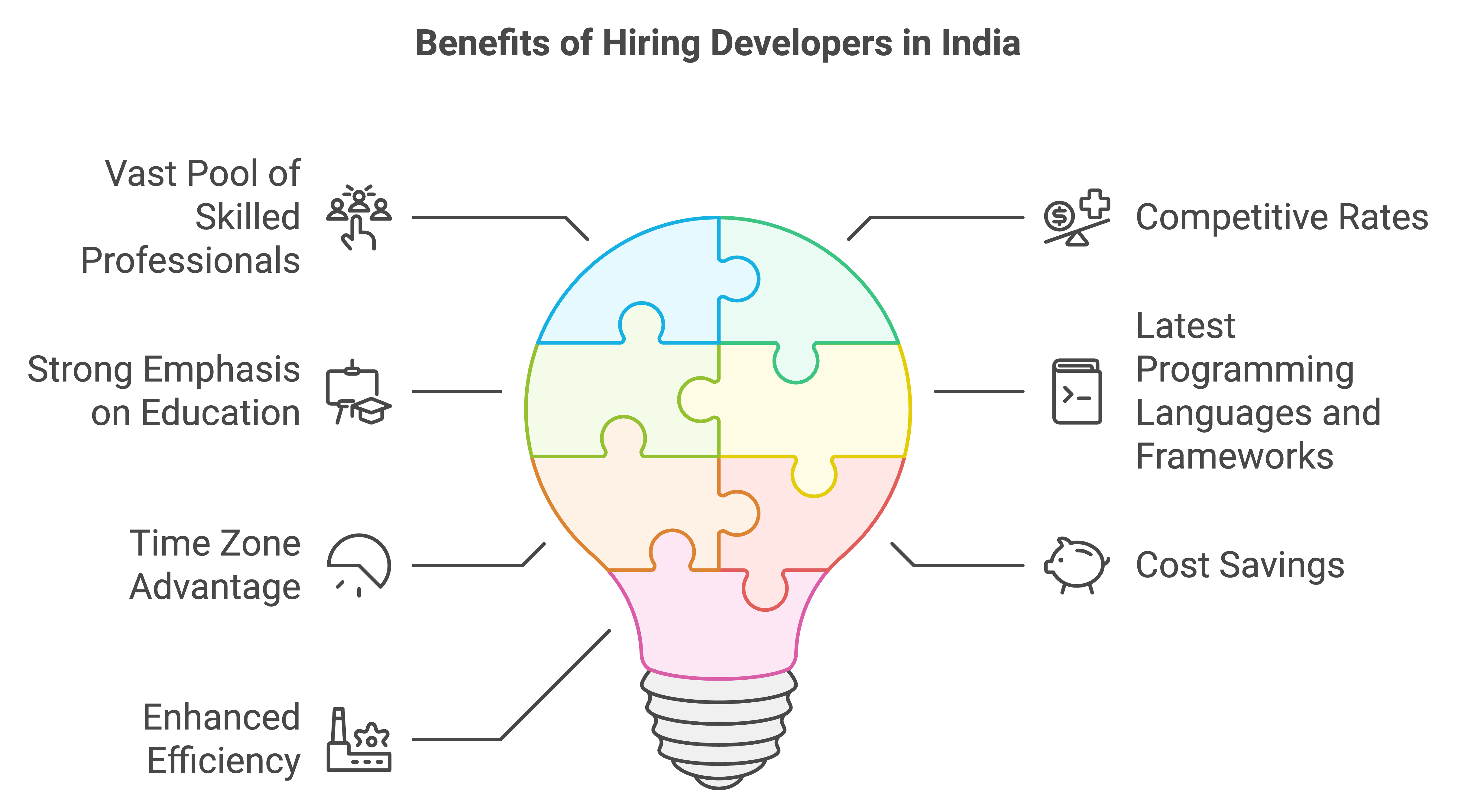
Outsourcing development to India significantly lowered our expenses. The competitive pricing in India allowed us to allocate resources efficiently and invest in other critical areas of our business.
Access to Skilled Talent
India is known for its highly skilled workforce in the tech industry. The developers we hired were well-versed in current technologies and provided innovative solutions that improved our project outcomes. For insights, you can explore how to assess the technical skills of Indian developers.
Time-Zone Advantage
The time difference between the US and India worked in our favor. While we slept, the development team continued working, making our project progress almost around the clock. I found excellent tools in time zone management tools and techniques that facilitated smooth communication and coordination.
| Advantage | Details |
|---|---|
| Cost-Effectiveness | Lower development costs |
| Skilled Talent | Access to experienced developers |
| Time-Zone Advantage | Continuous project progress due to time difference |
Challenges to Consider
Communication Barriers
Despite many Indian developers being fluent in English, there were occasional communication barriers that needed addressing. Using effective communication tools for remote teams mitigated some of these issues and improved interaction.
Cultural Differences
Understanding workplace cultural differences between the US and India took some time, but it was essential for ensuring a smooth collaboration.
Compliance and Security Concerns
Ensuring that our outsourcing partners adhered to GDPR compliance was a significant challenge. We had to assess third-party risks continuously and implement stringent security protocols and IP protection measures.
| Challenge | Mitigation Strategies |
|---|---|
| Communication Barriers | Use of specialized communication tools |
| Cultural Differences | Understanding and respecting cultural nuances |
| Compliance and Security | Continuous risk assessment, robust security and compliance protocols |
Hiring developers in India brought immense value to my business, turning potential hurdles into opportunities for growth and innovation. If you’re considering this route, understanding both the advantages and challenges is crucial for a successful partnership. For those interested in exploring different models, check out hiring vs. outsourcing developers in India.
GDPR Compliance for US Businesses
Navigating GDPR compliance has been crucial for ensuring my business adheres to global data protection standards. Understanding its principles and implementing the necessary steps can be a game-changer for US-based businesses.
Understanding GDPR Principles
To start, I had to grasp the core principles underpinning the General Data Protection Regulation (GDPR). Here’s a quick rundown of the critical concepts:
Data Minimization:
The principle of data minimization means that personal data should be appropriate, relevant, and limited to what is necessary concerning the purposes for which they are processed. It aims to prevent excessive data collection and aligns with the value of respecting user privacy.
Purpose Limitation:
GDPR requires that personal data be collected for specified, explicit, and legitimate purposes. Further processing of the data in a way that’s incompatible with these purposes is not permitted.
Data Integrity and Confidentiality:
Organizations must ensure that personal data are accurate and kept up to date. They should also implement appropriate security measures to prevent unauthorized access, loss, or damage to the data.
Accountability:
Businesses are responsible for and must be able to demonstrate compliance with these principles. This means keeping detailed records of data processing activities and implementing stringent data governance policies.
Third-party Risk Assessment:
A continuous assessment of third-party risks is paramount. Ensuring that any transfer of data outside the EU provides the same level of data protection is critical, thereby avoiding any disruptions in business practices.
Steps to Ensure Compliance
Achieving GDPR compliance for my US-based business involved several key steps to safeguard the privacy and integrity of personal data. Here’s what I did:

Step 1: Data Mapping and Inventory
Creating a detailed inventory of all personal data collected, processed, and stored by the business. This involved identifying where data originated, how it was processed, and where it was stored.
Step 2: Risk Assessment
Assessing the risks related to data processing activities. This helped in prioritizing areas requiring immediate attention and implementing appropriate controls.
Step 3: Policy Development
Developing robust privacy policies and procedures. These documents outlined how personal data would be handled, the purposes of data processing, and the rights of individuals.
Step 4: Staff Training
Providing training to employees about GDPR principles and procedures. Ensuring that everyone involved in data processing understood their role in maintaining compliance.
Step 5: Implementing Technical Measures
Incorporating technical measures such as encryption, pseudonymization, and access controls to protect data. This ensured that data integrity and confidentiality were maintained.
Step 6: Monitoring and Auditing
Establishing continuous monitoring and regular auditing of data processing activities. This helped in identifying potential compliance issues and mitigating them promptly.
Step 7: Data Subject Rights
Ensuring that mechanisms are in place to facilitate data subject rights, including the right to access, rectification, portability, and erasure of personal data.
| GDPR Compliance Steps | Description |
|---|---|
| Data Mapping and Inventory | Identifying all data and its flow in the organization. |
| Risk Assessment | Evaluating risks associated with data processing. |
| Policy Development | Creating policies for data handling and processing. |
| Staff Training | Educating employees on GDPR principles. |
| Implementing Technical Measures | Using encryption, pseudonymization, and controls. |
| Monitoring and Auditing | Regularly examining data activities for compliance. |
| Data Subject Rights | Facilitating access, rectification, and erasure of data. |
Complying with GDPR can seem daunting, but with a structured approach, it becomes manageable. Leveraging my experience, I’ve found that adherence not only mitigates legal risks but also fosters trust with clients and stakeholders.
Useful Resources:
GDPR knowing your obligations to customers … and your employees