Unlocking Potential: Insider Views on Retention Rates of Developers
Liam Hayes– Startup Founder – In this article, we will discuss the retention rates of developers in the tech industry.
Sep 27, 2024 | 5 Minute Read
Benefits of Hiring Developers in India
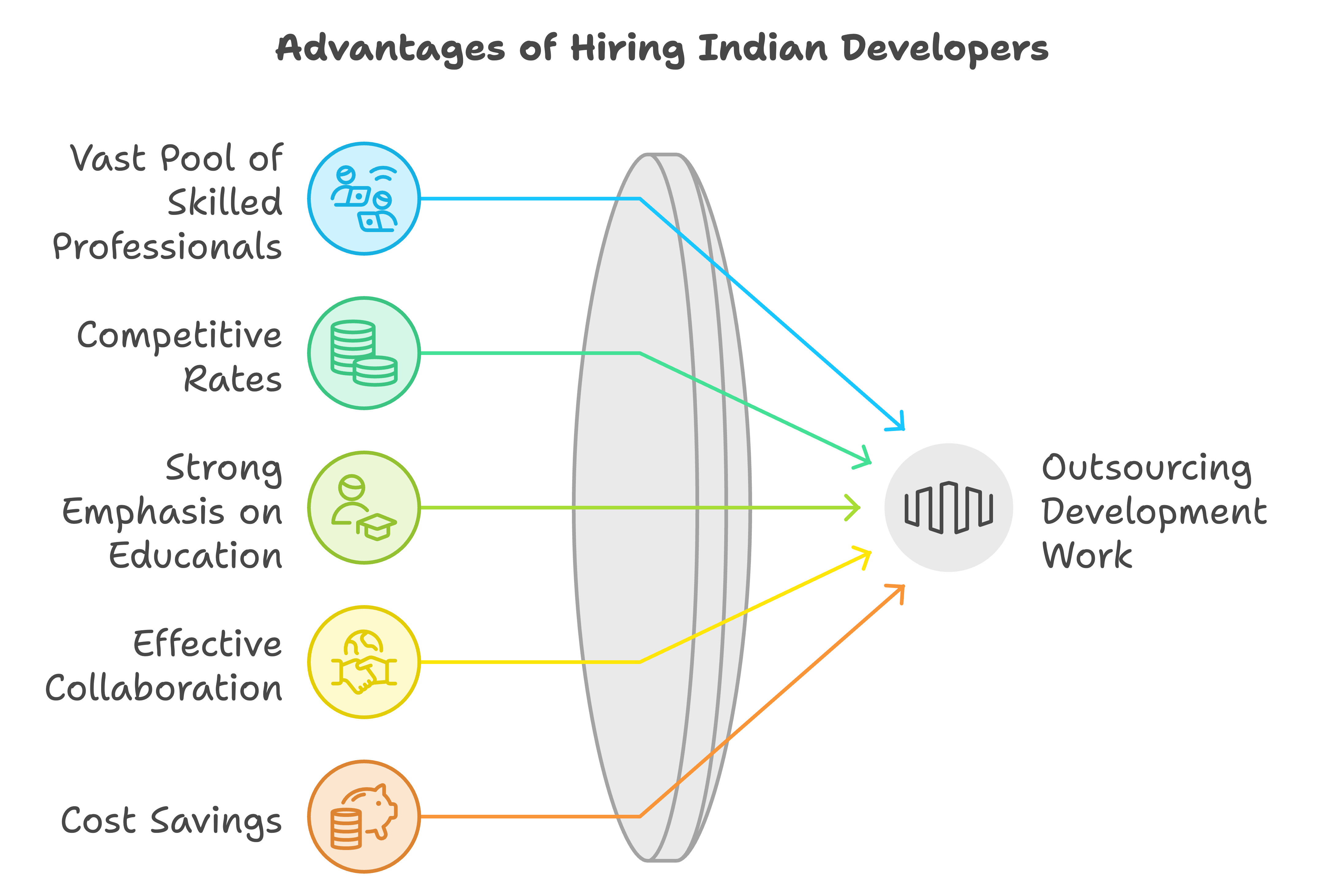
When it comes to hiring developers in India, there are several noteworthy benefits. From impressive retention rates to boosted productivity, let’s dive into the advantages that make this a viable option for business owners in the United States.
Retention Rates of Developers
One of the primary concerns for hiring managers is retaining top talent. In my experience, developers in India exhibit remarkable retention rates. Zippia’s analysis noted that the average software engineer tenure is around 16 months, with 45% having an average tenure of 1 to 2 years and 69% having a tenure of less than 2 years. This contrasts positively with some trends seen in the United States, where tech companies are facing higher turnover.
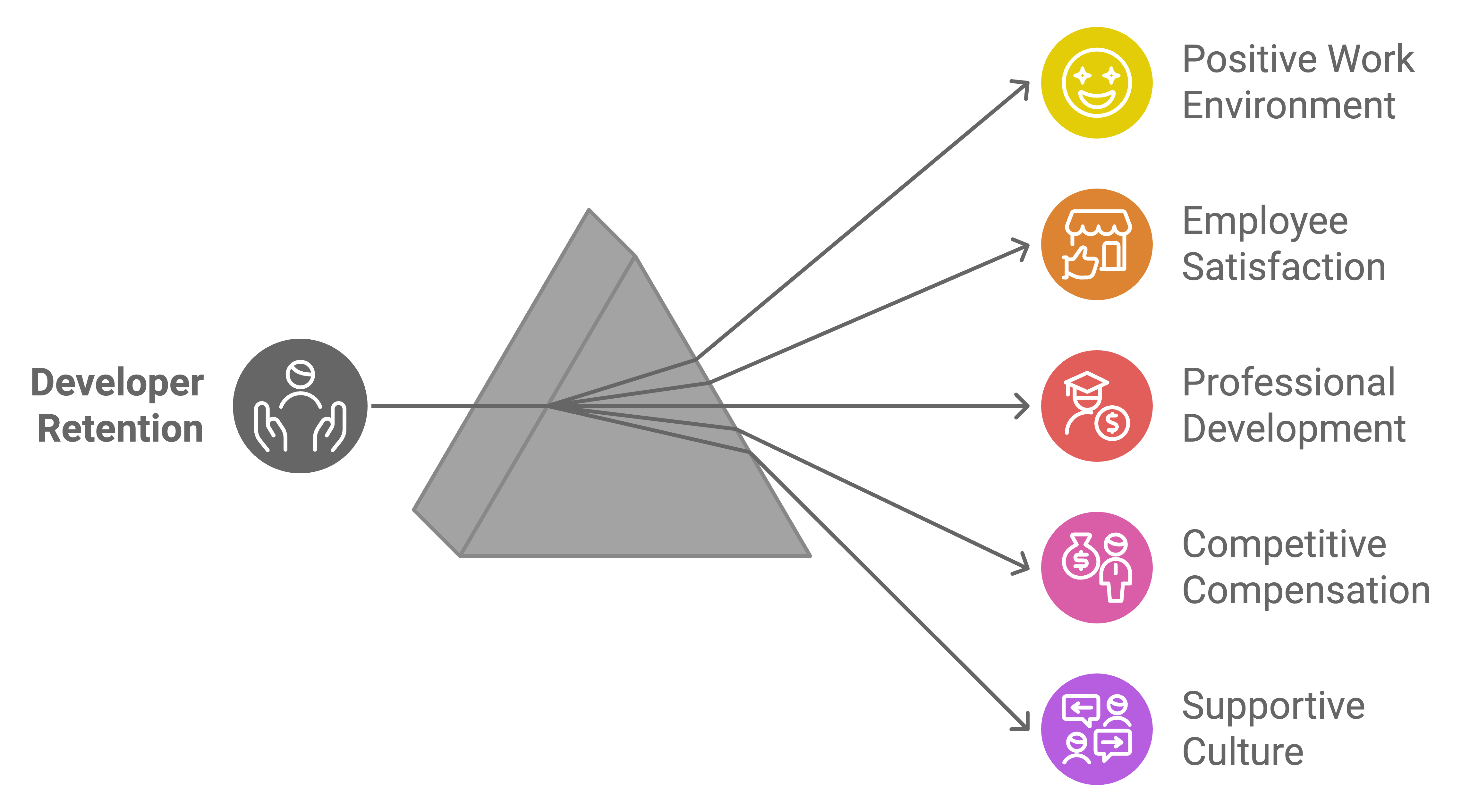
Developers often aspire to work on challenging projects and learn new skills. Companies that provide such opportunities tend to see higher retention rates. In India, developers engage in diverse projects, which not only contributes to their professional growth but also enhances job satisfaction.
To further explore, check out our detailed guide Hiring vs Outsourcing Developers
| Tenure Length | Percentage of Developers |
|---|---|
| <1 year | 31% |
| 1-2 years | 45% |
| >2 years | 24% |
Improved Productivity and Efficiency
Another significant benefit of hiring developers in India is the marked improvement in productivity and efficiency. Recent statistics show that developers have become more efficient while spending slightly less time coding per weekday. The average coding time has decreased from 64.2 minutes in 2020 to 59.9 minutes in 2023, reflecting a 7% decline.
However, this reduction in coding time hasn’t impeded productivity. Metrics such as keystrokes per minute, a measure of focused work, have increased by 4%. Additionally, the average number of characters inserted per keystroke has risen by 41%, and lines of code edited per minute have increased by 39% from 2020 to 2023. This is largely due to the growing use of generative AI and code completion tools, which Indian developers have quickly adopted.
For more insights into enhancing productivity, visit our article on remote developer productivity.
| Metric | 2020 | 2023 | Change (%) |
|---|---|---|---|
| Average Coding Time (mins) | 64.2 | 59.9 | -7% |
| Keystrokes per Minute | N/A | +4% | |
| Characters per Keystroke | N/A | +41% | |
| Lines of Code per Minute | N/A | +39% |
By hiring developers in India, businesses can not only enjoy improved retention rates but also benefit from increased productivity.
Considerations When Hiring Developers in India
Exploring the possibilities of hiring developers in India? It’s essential to consider various factors to make informed decisions. Let’s dive into the key considerations to keep in mind, including remote work trends, addressing salary concerns, and opportunities for growth and learning.
Remote Work Trends
Remote work has become increasingly popular, and it offers access to a global talent pool. It’s not just a trend; it’s a shift that’s here to stay. Companies that adapt to flexible remote work models are likely to attract and retain highly motivated workers, reduce turnover, and be prepared for unexpected disruptions.
According to Buffer’s survey, 99% of remote workers would like to work remotely for the rest of their careers. Moreover, research by Global Workplace Analytics estimates that 25-30% of the workforce will work from home multiple days a week by the end of 2021. By embracing remote work policies, companies can be highly selective in their hiring process, resulting in improved diversity and inclusion.
| Remote Work Preference | Percentage |
|---|---|
| Prefer to work remotely for the rest of their careers | 99% |
| Anticipated workforce working from home multiple days a week by end of 2021 | 25-30% |
Addressing Salary Concerns
Addressing salary concerns is crucial for retaining developers. One primary reason software engineers leave their jobs is due to salary issues. Many developers feel that job-hopping is the only way to obtain a raise, with salary increases ranging from $10,000 to $40,000 upon switching employers.
A LinkedIn study found that the top reason employees leave their jobs is a lack of career opportunities. This study underscores the importance of providing not just competitive salaries but also clear career progression paths and learning opportunities.
| Salary Increase Upon Job Switch | Amount |
|---|---|
| Minimum | $10,000 |
| Maximum | $40,000 |
Opportunities for Growth and Learning
Developers thrive on growth and learning opportunities. Many leave their jobs when they no longer feel challenged or are not learning new skills. Offering clear career paths, whether in management or technical roles, is essential for retaining top developers.

Creating a learning-friendly environment with opportunities for career advancement can significantly improve retention rates. Consider offering regular training programs, workshops, and certifications to encourage continuous growth.
| Reason for Leaving Jobs | Percentage |
|---|---|
| Lack of Career Opportunities | Leading Reason |
By considering these factors, businesses can make informed decisions that not only attract top talent from India but also ensure high retention rates of developers.
The-Ultimate-Guide-to-Hiring-Top-Indian-Developers-PreviewUseful Resources:
5 Simple Steps to Achieve High Developer Retention
FAQs
What is the average turnover rate for developers?
The average turnover rate for developers varies by region, industry, and economic conditions. Generally, tech industry turnover rates can be higher than many other industries due to high demand for skilled developers and competitive job markets. A typical turnover rate for developers in the tech industry can range from 15% to 20% annually.
What is an acceptable retention rate?
An acceptable retention rate can vary depending on the industry and company goals. Generally, a higher retention rate is viewed positively, indicating job satisfaction and effective management. For most industries, a retention rate of 85% or higher is considered good. In competitive fields like technology, a slightly lower rate may still be acceptable due to the dynamic nature of the job market.
Is 80% a good retention rate?
An 80% retention rate means that 80% of employees stayed with the company over a given period, typically a year. While this might be slightly below the ideal in many industries, it can still be considered a reasonable rate, especially in high-turnover industries like technology or retail. The context of the job market and internal company metrics for turnover should also be considered to fully assess whether this is good for a specific company.
What is the average retention rate in the software industry?
The average retention rate in the software industry tends to be lower compared to some other sectors due to high competition for talent and frequent opportunities for developers to move to better positions or projects. The average retention rate is typically around 80% to 85%. Companies often focus on improving their work environment, compensation packages, and career development opportunities to increase this rate.