Unlocking Opportunities: Harnessing the Scalability of Indian Dev Teams
Liam Hayes – Startup Founder – One of the key factors in our success has been the scalability of Indian development teams.
Sep 24, 2024 | 7 Minute Read
Why Hiring Indian Developers is a Smart Move
Bringing on developers from India packs a punch in more ways than one. Let’s break down why tapping into this talent pool can be a real game changer for your projects, especially when thinking about how scalable Indian development teams are. Below are just a few of the reasons they rock!
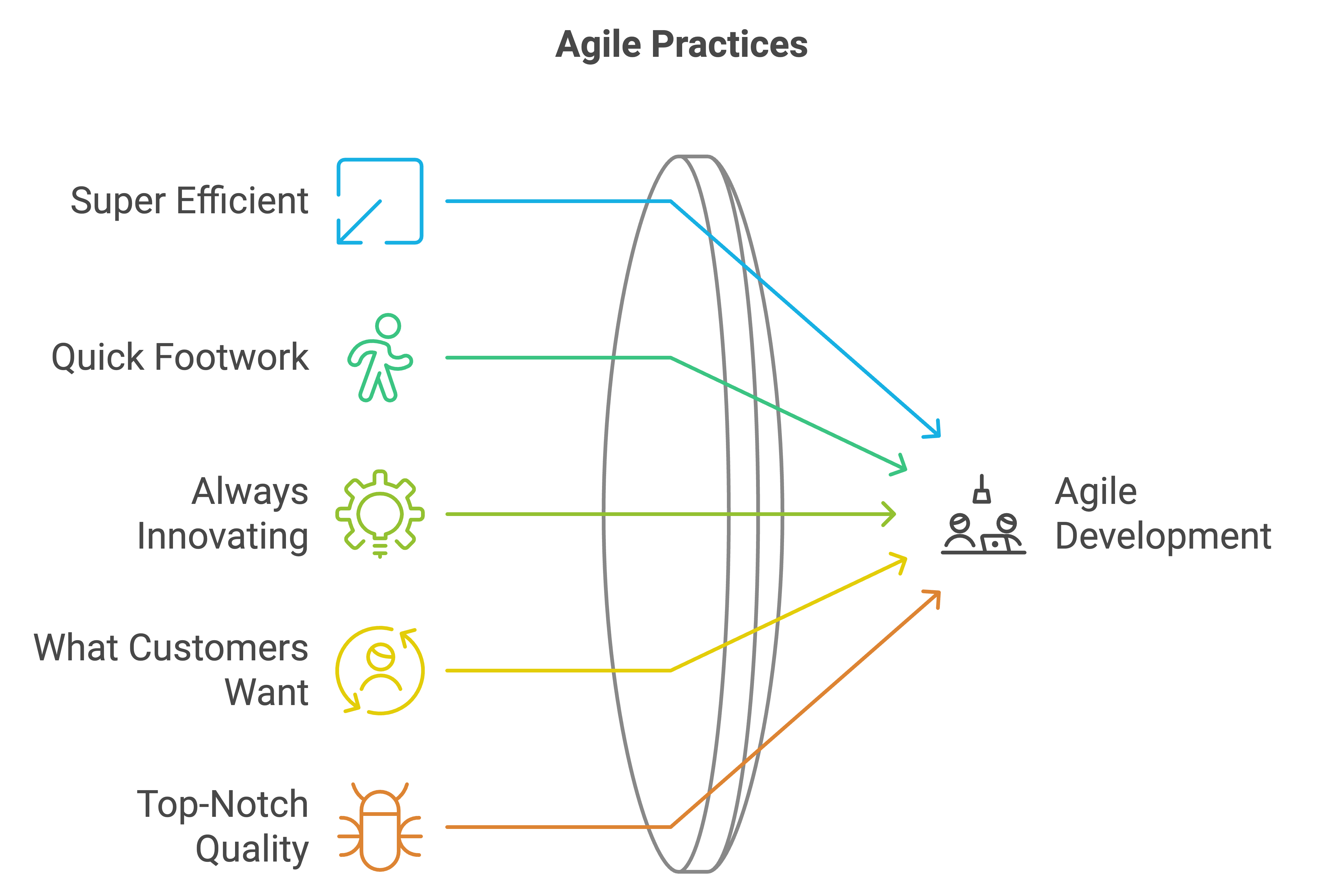
Agile Practices on Point
Indian developers have seriously nailed agile methodologies, with over 70% of them using agile in their projects. Here’s what that means for you:
- Super Efficient: They cut through the fluff and get straight to productivity.
- Quick Footwork: They can pivot easily with market changes, getting your product out faster.
- Always Innovating: Agile pushes them to keep things fresh and cutting-edge.
- What Customers Want: Regular feedback loops mean the end product is always aligned with customer needs.
- Top-Notch Quality: Frequent testing means fewer bugs and smoother releases.
For a deep dive into the perks of agile with Indian developers, check out Cost Benefits in India vs. Other Countries
Right-Sized Teams
When you’re talking Scrum in software development, size matters (in more ways than one):
- Sweet Spot: Aim for about seven folks in a Scrum team.
- Chit-Chat Overload: Bigger teams? They zap productivity due to too much talking and less doing.
- Who’s Who: You’ve got a product owner, a scrum master, and the dev team.
Let’s get real with this table:
| Role | What They Do |
|---|---|
| Product Owner | Calls the shots on features and makes sure work aligns with high-value tasks. |
| Scrum Master | Keeps the team true to Agile, smooths out bumps in the road. |
| Development Team | These devs churn out the product, piece by piece, iteration by iteration. |
Nailing the team size and roles can turbocharge your project’s scalability. For more on making your team lean and mean, check out Conquering the Agile MVP Development Cycle.
Indian teams are pros when it comes to scalability, productivity, and cranking out quality work. Harness the full power of Indian development teams to ensure your project’s success and scalability.
Offshore Development Center Benefits
Going for an Offshore Development Center (ODC) brings a bunch of perks, especially if you’re looking to grow your tech operations. The top two advantages? Flexibility and budget management.
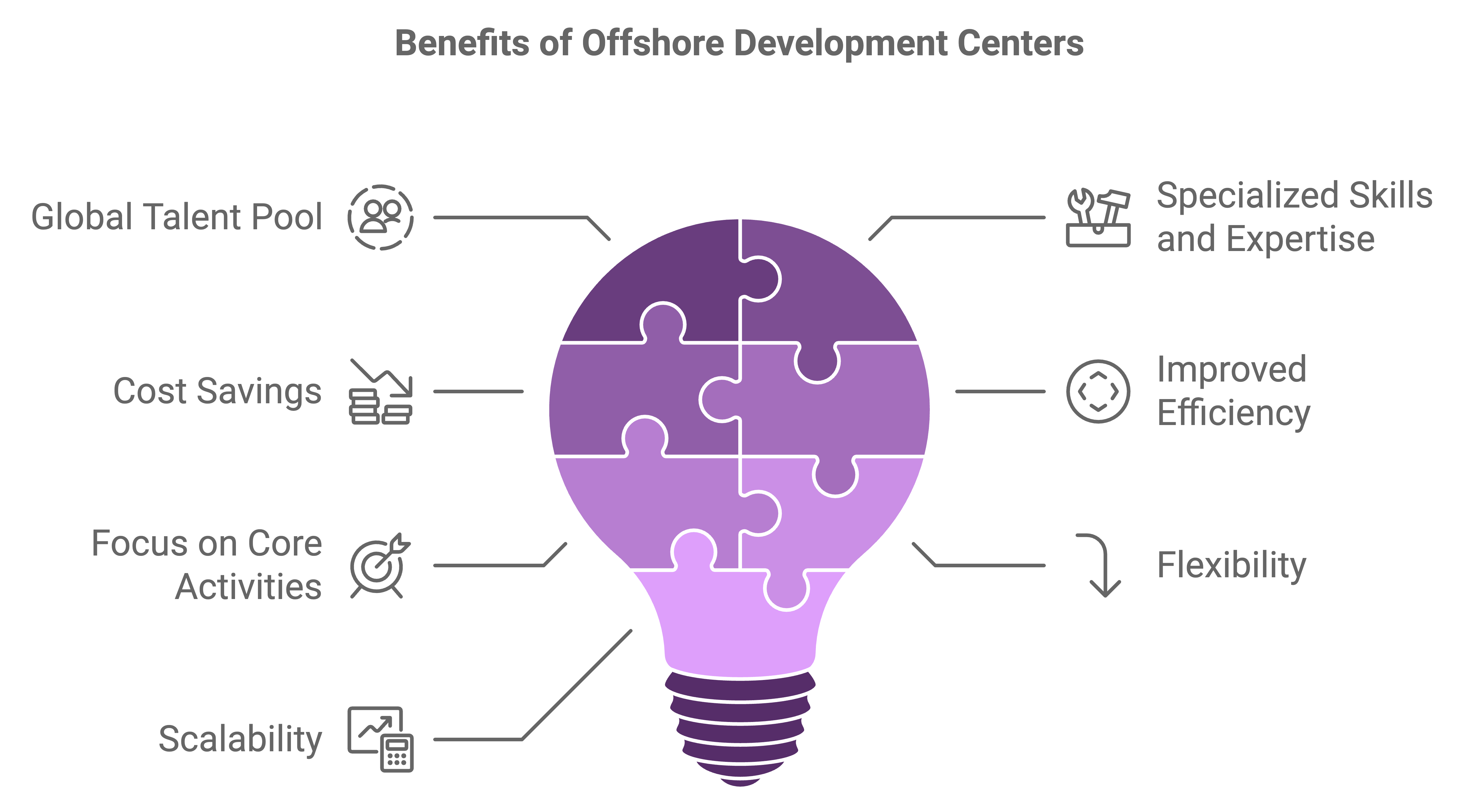
Flexibility in Operations
With an ODC, I’ve enjoyed a level of flexibility that traditional outsourcing simply can’t match. I can switch up team sizes based on what the project needs right now. This is super handy when projects keep changing. Traditional outsourcing locks you into set project scopes and contracts, making it tough to pivot.
In contrast, the ODC model lets you hire specialized talent on the fly. Take a look:
| Flexibility | Traditional Outsourcing | ODC Model |
|---|---|---|
| Team Size Scaling | Limited | High |
| Project Scope Adjustments | Rigid | Flexible |
| Hiring Specialized Talent | Challenging | Easier |
This flexibility means you can quickly bring in all sorts of specialists—like DevOps engineers, data science developers, and cloud computing pros—to get the job done without missing a beat.
Scalability and Budget Management
One of the coolest parts of an ODC is managing your budget while scaling. An ODC lets you tap into India’s huge talent pool at a fraction of the cost. This savings comes from lower infrastructure and operational expenses and even friendly tax policies meant to attract foreign businesses.
Here’s how the costs break down:
| Cost Aspect | Traditional Outsourcing | ODC Model |
|---|---|---|
| Infrastructure | High | Low |
| Operational Costs | High | Moderate |
| Talent Acquisition | Expensive | Cost-effective |
With an ODC, I can match the project budget with real-time needs without cutting corners. It’s easier to manage Indian development teams through an ODC, making this one of the affordable development options out there.
For smooth project management, you need the latest tools and strategies—like project management tools and communication hacks for remote teams. This setup helps keep quality and efficiency high, even as the project and team sizes shift.
Riding the Offshore Wave with Indian Developers
Working with Indian development teams can be a game-changer for your business, especially when scaling up. To get the most out of this collaboration, you need to nail communication and project management. Let’s lay out the best tactics to keep things smooth with your offshore team.

How to Communicate with Indian Teams
Communication is the beating heart of any successful project, and working with Indian teams is no different. Here’s how to bridge any gaps:
Reading Between the Lines: In India, a “yes” isn’t always a straightforward agreement. Sometimes it’s more about showing they’ve heard you. Say a team member says, “I’ll look into it.” It might mean they’re being polite rather than eager. Get to know these barriers; they’re crucial.
Body Language Matters: Non-verbal signals pack a punch in India. These cues can make or break your interactions.
Regular Catch-ups: Stay connected with frequent updates. Daily stand-ups and weekly meetings keep everyone aligned. Use communication tools to avoid any mix-ups.
Put it in Writing: Clear documentation eliminates guesswork. Write everything down to ensure there’s no room for misinterpretation. The clearer, the better.
Your Go-To Project Management Tools
Picking the right tools can mean the difference between chaos and smooth sailing. Here are the top-notch ones to consider:
Trello: Think of Trello as your digital sticky notes. Organize tasks with boards and cards, so everyone knows what’s what.
Jira: If you’re into agile, Jira’s your buddy. Perfect for complex projects, it handles issue tracking and sprint planning like a champ.
Slack: Need to chat in real-time? Slack’s got you covered with instant messaging and file sharing. Plus, it plays well with other tools.
Asana: Asana helps you keep track of tasks, deadlines, and overall project progress. Great for teams in various time zones.
Zoom: Sometimes you just need to see faces. Zoom’s your go-to for video calls and sharing screens, helping clear up any mixed signals.
For a deeper dive into these tools, check out our comparison of communication tools.
| Tool | Use | Features You’ll Love |
|---|---|---|
| Trello | Task Tracking | Boards, Cards, Checklists |
| Jira | Agile Management | Issue Tracking, Sprint Backlog |
| Slack | Instant Messaging | Chat, File Sharing, Integrations |
| Asana | Task Management | Assign Tasks, Track Progress, Set Deadlines |
| Zoom | Video Calls | Face-to-face Meetings, Screen Sharing |
Master these communication strategies and project tools, and you’ll unlock the true potential of your Indian development team. Effective handling is the key to turning these offshore projects into big wins.
Impact of Indian IT Outsourcing
Growth of Indian Development Teams
India is rockin’ the IT outsourcing scene, set to pass the United States in sheer numbers of developers. With the Indian IT sector pulling in a cool $150 billion USD, it handles about 67% of the world’s outsourcing gig. Impressive, right? This shows just how capable and big Indian development teams can get.
| Country | Number of Developers (Million) |
|---|---|
| United States | 4.3 |
| India | 3.7 |
Think about it—these teams’ flexibility is a game-changer for businesses wanting budget-friendly development solutions. The ability to scale up quickly means tackling more projects and dealing with heavier workloads. Companies love this adaptability because it helps them stay ahead with quick product releases and pivot smoothly when the market shifts.
Cultural Considerations for Effective Communication
Understanding cultural quirks is crucial when working with Indian development teams. Indian communication tends to be more roundabout compared to the straightforward Western approach. It’s meant to keep peace, not dodge questions.
Body language is big in India too. Knowing these small but important details can make your teamwork a lot smoother.
| Communication Aspect | Western Culture | Indian Culture |
|---|---|---|
| Verbal | Direct and to the point | Indirect to maintain harmony |
| Non-verbal | Less emphasis on gestures | Significant reliance on gestures |
| Greetings | Handshakes or verbal greetings | Namaste or traditional greetings |
Bridging this cultural gap takes some effort—like spending time on cultural alignment and using effective remote communication tools. Regular check-ins, clear instructions, and patience with indirect talk can go a long way. When you mix the agility of Indian development teams with solid communication tactics, you’re set for a winning partnership. For more advice on handling offshore projects, peek at our guides on project scalability and agile development teams.
Useful Resources: