Unlocking Potentials: MVP Strategies for Superior SaaS Products
Olivia Harris – Startup Founder – As a startup founder, understanding how to develop an MVP for SaaS products can significantly increase your chances of success.
Sep 23, 2024 | 6 Minute Read
Why MVPs Matter for SaaS Success
So, you’ve got a killer idea for a SaaS product? Before you go all-in, let’s talk MVPs—your ticket to validating that dream without breaking the bank. Here’s the lowdown on why an MVP is like your startup’s secret weapon.
Testing the Waters
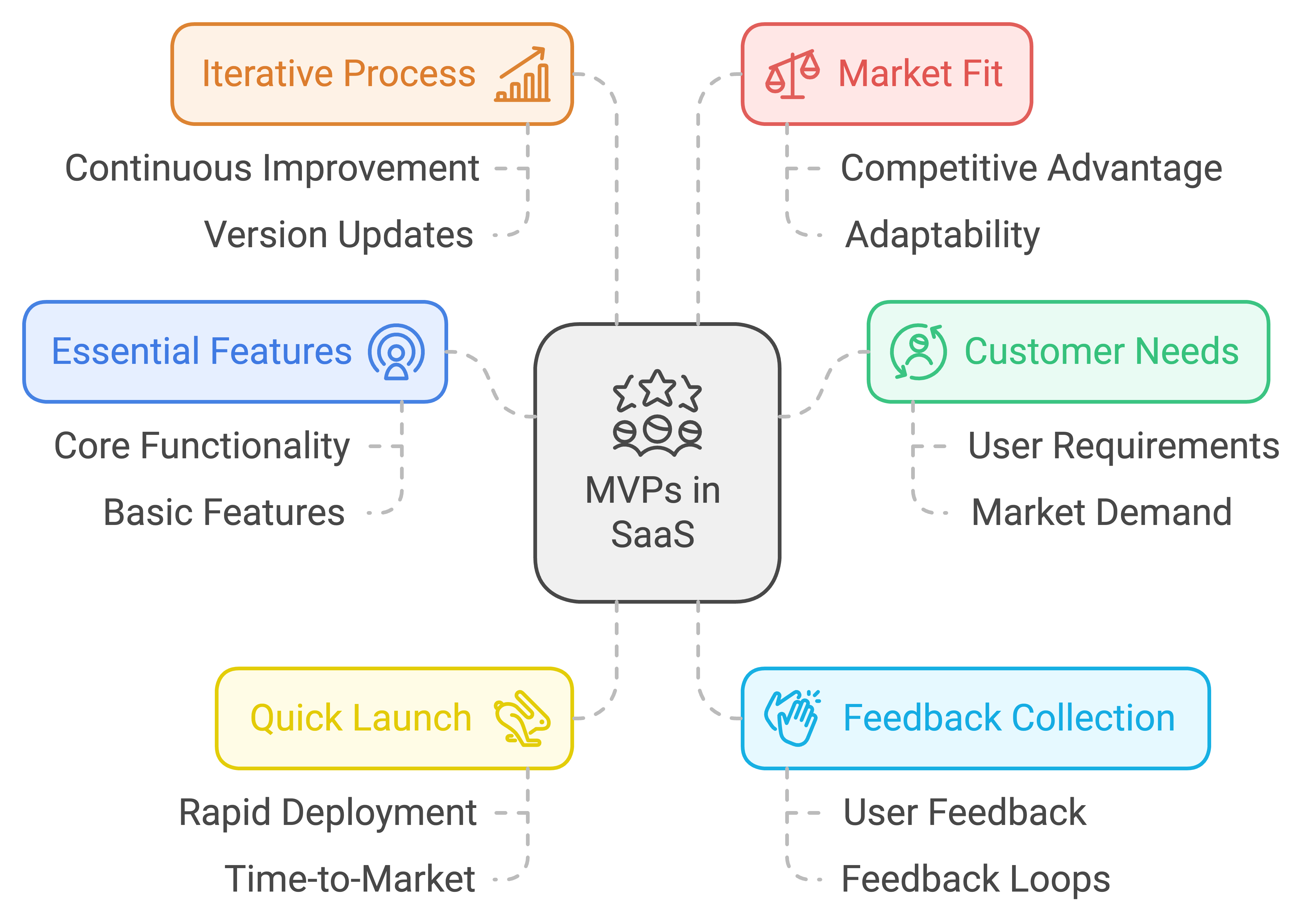
Jumping headfirst into full-blown development is expensive and risky. Think of your MVP as a test drive. It’s the bare-bones version of your idea designed to get feedback from real users fast. Got this concept from a guy named Eric Ries, you might’ve heard of him and his Lean Startup movement.
Why bother with validation? Well, nearly half of startup flops happen because there’s just no market for them or their timing sucks.
| Why Startups Fail | Percentage |
|---|---|
| No Market Demand | 45% |
| Poor Timing | 15% |
| Other Reasons | 40% |
Get the drift? If your MVP catches fire, awesome—you’re on to something. If it fizzles, you can pivot or scrap it without losing a fortune.
For more tips on testing your ideas, swing by our page on MVP validation techniques.
Scoping Out the Scene
Market research? Yeah, it’s kind of a big deal when you’re sketching out your MVP. Knowing your crowd (and your competition) helps you nail down what features to roll out first.
SaaS is booming. From $16.53 billion in 2022, it’s forecasted to hit a mind-boggling $462.94 billion by 2028. That’s a growth rate of 13.7% per year! Loads of opportunity—and serious competition.
| Year | SaaS Market Size (in billion USD) |
|---|---|
| 2022 | 16.53 |
| 2028 (Projected) | 462.94 |
| Annual Growth Rate | 13.7% |
Want to dive deeper into figuring out the market? Check our Best MVP Development Tools in 2024.

Wrapping It Up
In a nutshell, building an MVP and doing solid market research are non-negotiables if you want your SaaS product to rock. They trim down the risks, save your resources, and better your odds of hitting it big. For more on the nuts and bolts of MVP development, stick with us.
Making Your SaaS MVP a Winner
Creating a minimum viable product (MVP) for Software as a Service (SaaS) is all about finding that sweet spot between functionality and cost. We’ll dive into critical aspects like keeping costs manageable and smart ways to test and improve your product.
Money Matters
Money is a big deal when you’re building an MVP for a SaaS product. You need to know your budget before anything else. Building an MVP usually costs between $10,000 to $15,000 in India. What influences the cost? Your development team, the tech you choose, and the features you decide to include.
Starting with an MVP allows you to test your idea without spending a fortune. It helps you gauge market interest and decide how to move forward. With the SaaS market expected to hit $462.94 billion by 2028, investing in an MVP now can lead to huge gains later.
Testing and Iteration
Testing and iteration are key steps in creating a winning SaaS MVP. This phase helps you find and fix problems before going big.
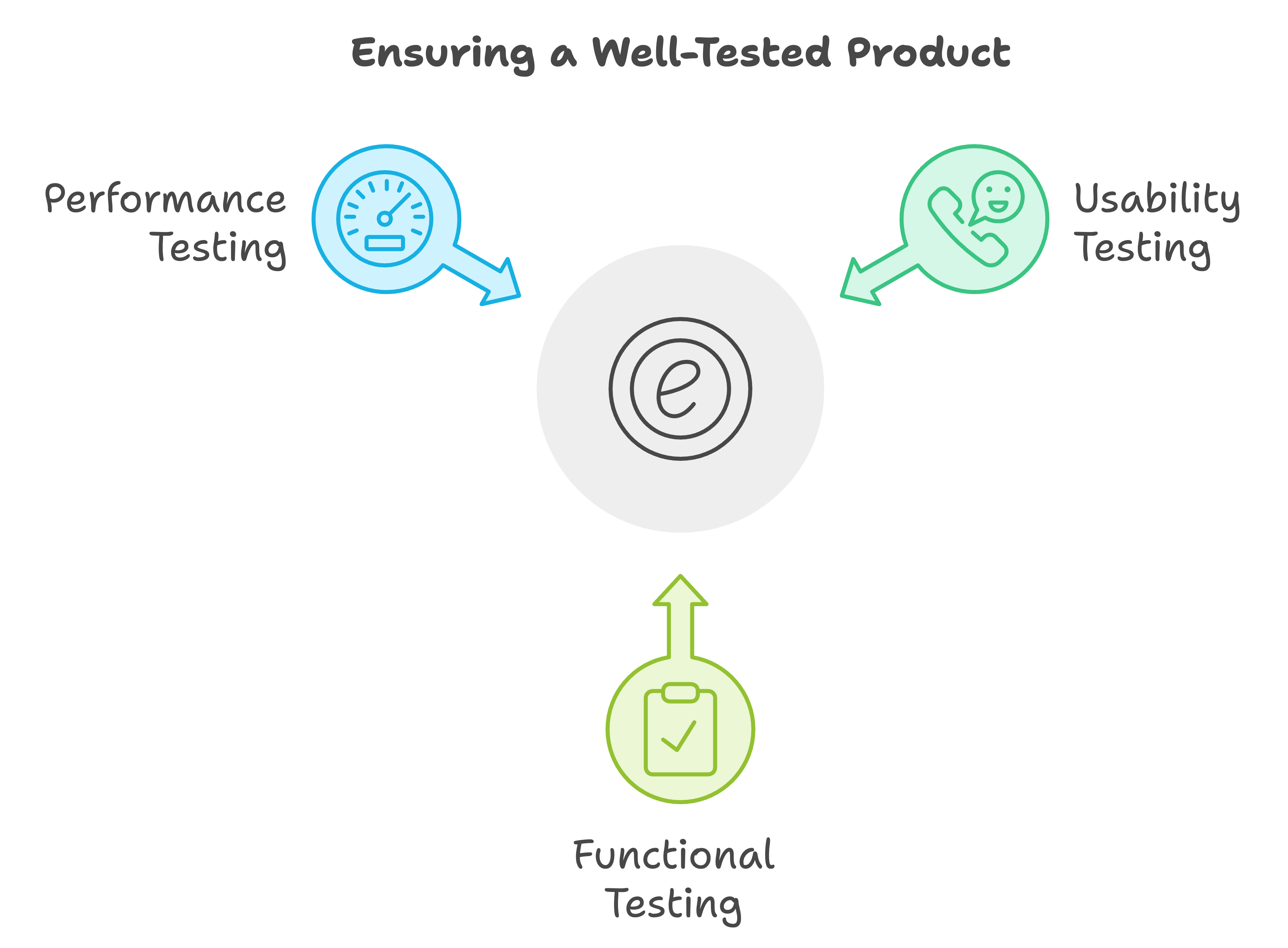
- Usability Testing: Make sure your product is easy to use. Dive into our usability testing guide for more tips.
- Functional Testing: Ensure all features work correctly.
- Performance Testing: Test how stable and fast the product is under different conditions.
- Agile Sprints: Short, frequent development cycles let you make constant improvements. Explore our resources on Agile Sprints.
- Customer Feedback Loop: Gathering and acting on user feedback is crucial. You can do this through surveys, beta tests, or direct feedback. Get more insights from our article on user feedback.
- Build-Measure-Learn: Use the lean startup approach to iterate quickly. For a detailed guide, check out build-measure-learn.
| Test Type | Why It Matters |
|---|---|
| Usability Testing | Ensures product is user-friendly |
| Functional Testing | Verifies functionality of features |
| Performance Testing | Checks stability and speed under pressure |
Using strong testing and iteration strategies will improve your MVP, making sure it meets market needs and user expectations. This process is crucial for perfecting the product before a full-scale launch.
Hopefully, this guide helps fellow business owners tackle the challenge of building a successful SaaS MVP. By focusing on costs and effective testing and iteration, you can maximize the potential of your SaaS product.
Minimum_Viable_Product_App_Guide_PreviewUseful Resources:
Product Growth Strategy: A Guide for SaaS Companies
FAQs
What is MVP for SaaS product?
An MVP (Minimum Viable Product) for a SaaS (Software as a Service) product is the most basic version of the software that includes only the essential features necessary to solve the core problem for its target users and to attract early adopters. The MVP allows SaaS companies to launch quickly, test their assumptions with real users, gather feedback, and make necessary adjustments before investing heavily in full-scale development.
How to make SaaS MVP?
To make a SaaS MVP, follow these steps:
- Identify the Core Problem: Understand the primary challenge your target audience faces that your SaaS product will address.
- Define Key Features: Determine the minimum set of features required to effectively solve this problem and appeal to early adopters.
- Design and Develop: Build a simple, intuitive user interface for these features, and develop the backend to support them.
- Launch and Iterate: Release the MVP to a select group of users or early adopters. Collect and analyze user feedback to understand what works and what doesn’t.
- Refine Based on Feedback: Continuously improve the product based on user feedback, focusing on enhancing functionality and user experience.
How much does a SaaS MVP cost?
The cost of developing a SaaS MVP can vary widely depending on several factors such as the complexity of the product, the geographical location of the development team, and the technologies used. Generally, you can expect to spend anywhere from $20,000 to $100,000 to develop a SaaS MVP. This estimate includes the costs of design, development, initial hosting, and marketing to reach early adopters.
How do you create an MVP for a software product?
Creating an MVP for a software product involves several key steps:
- Market Research: Conduct research to identify your target market’s needs and the existing solutions they use.
- Conceptualization: Define what your product will do differently or better and outline the main features that will allow it to stand out.
- Prioritize Features: From your list of potential features, choose only the most essential ones that will demonstrate your product’s value to users.
- Build the MVP: Develop the software with the selected key features. Ensure that it is functional and user-friendly.
- Test and Launch: Test the MVP thoroughly to fix any bugs. Once testing is complete, launch the MVP to the market.
- Feedback and Iteration: Gather feedback from initial users and continuously refine your product based on this feedback.