Choosing the Best MVP Development to launch Your Ecommerce MVP (2025 Guide)
Olivia Harris – Startup Founder – In this post, I will discuss how to create an MVP for e-commerce ventures.
June 17, 2025 | 5 Minute Read
Harnessing Agile Customer Feedback
Catching what customers think and feel about your MVP in e-commerce is a game-changer. Knowing how folks tinker with and use your product helps you figure out what to tweak or add next. This ain’t rocket science. It’s the bread and butter of Agile methods like Scrum and Kanban. These feedback loops give Product Managers solid numbers to back their moves, keeping the product in tip-top shape.
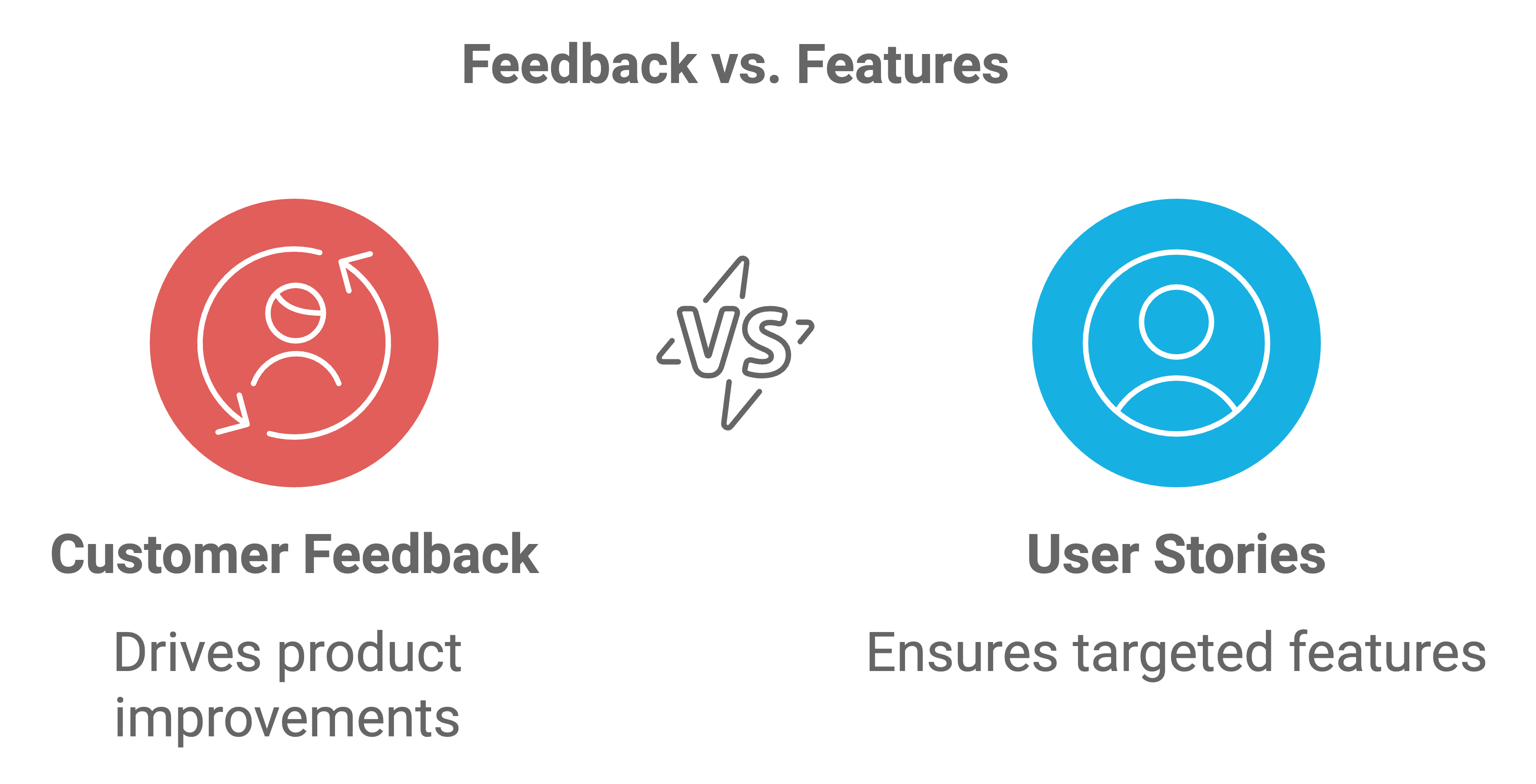
When you’re crafting an MVP, slicing the product into user stories is like splitting a pizza into manageable slices. You see, this process picks out features addressing user needs, ensuring the MVP hits the mark from the get-go.
| Why It Rocks | The Lowdown |
|---|---|
| Picking Product Updates | Spots features that users love the most. |
| Decisions Based on Numbers | Uses data to zero in on what needs fixing. |
| Grasping User Interaction | Creates stories that map out user behaviors. |
To scoop up feedback quickly, track metrics that show how well your SaaS product is doing. Want to beef up your feedback loop? Check out Enterprise MVP development Strategies.
Peeking into the Future of Customer Feedback
Hold on to your hats! AI is driving the future of collecting customer feedback. AI tools like sentiment analysis and natural language processing will soon read and understand your customer’s scribbles on a massive scale. This helps businesses fold fresh insights into MVPs pronto, paving the way for products that not only hit the mark but blow expectations out of the water.
Using an Agile feedback loop can really make users sit up and take notice. And with AI sniffing out real-time sentiments, you get instant intel that slots right into your build-measure-learn cycle. Curious about these smart moves? Take a look at our piece on
MVP Decisions Simplified.
| Future Trends | What They Mean |
|---|---|
| AI Sentiment Analysis | Reads feedback super-fast for sharp decisions. |
| Natural Language Processing | Decoders open-ended user responses smoothly. |
| Real-Time Data | Instant user intel for snappy action. |
An MVP is your trial balloon to reel in feedback, test the waters, and decide if the idea is worth its salt. For other cool ways to validate MVPs, drop by MVP validation techniques.
Tapping into Agile customer feedback and smart AI can level up your feedback game, leading to products that dance to the user’s tune. Get the lowdown on the must-have techniques and tools that make this happen.
Kickstart Your E-Commerce with a Minimal Viable Product (MVP)
Building an MVP for your e-commerce can sound like wrestling a bear, but don’t worry—it’s all about proving your idea without the bells and whistles. Here’s my game plan to keep things cool and efficient.
Step into Your Users’ Shoes
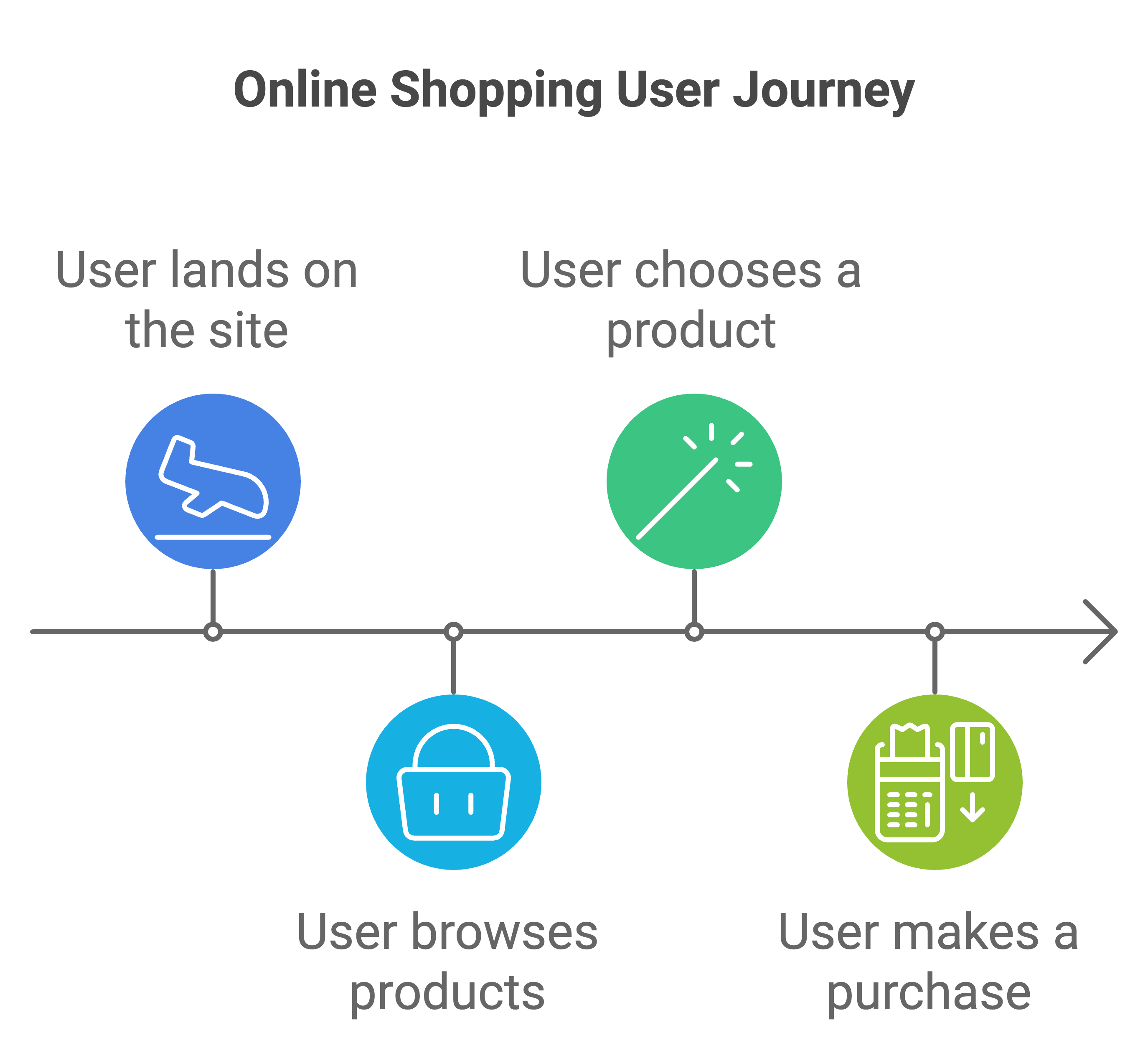
Before anything else, you gotta know how folks will use your site. This means writing user stories—think of it as mini-narratives where you map out how someone would solve their problem with your site.
Imagine someone hopping onto your e-commerce website. What do they do?
- Landing on the site
- Browsing products
- Choosing a product
- Making a purchase
By breaking down these steps, I can pinpoint the essential features for the MVP.
Bringing the ecommerce MVP to Life
Now that we know what users are up to, we roll up our sleeves and get building. Here’s my approach:
- Feature Selection: Start with the must-haves. We’re talking basics that make the site functional—no glitter, just gold.
| Task | Must-Have Features |
|---|---|
| Landing | Homepage, Simple Navigation |
| Browsing | Product Listings, Search Bar |
| Choosing | Product Details, Customer Reviews |
| Purchasing | Cart, Payment Gateway |
- Keep It Simple: It’s easy to go overboard. But think like Uber or Airbnb: start simple, validate, then expand.
User Stories: Write out user stories that map the flow of interactions. This helps ensure every feature serves a clear purpose.
Release and Collect Feedback: Push that MVP live to a small group and soak in their thoughts. Feedback’s your best friend for tweaks and fixes.
For streamlined development, tools like MVP development tools and rapid prototyping tools for MVP can be lifesavers. Learning from each release via the build-measure-learn cycle for MVPs makes sure you’re on the right path.
Believe me, understanding how users interact and keeping the MVP lean but effective is the key to testing your e-commerce concept without going gung-ho on features. Get ready to turn your concept into something real without overloading the boat!
Minimum_Viable_Product_App_Guide_PreviewUseful Resources:
How can you prioritize features when designing an e-commerce product MVP?
FAQs
What is MVP in ecommerce?
MVP in ecommerce stands for “Minimum Viable Product.” It is a development technique where a new website or product is developed with enough features to satisfy early adopters. The final, complete set of features is only designed and developed after considering feedback from the product’s initial users.
What is an MVP example?
An example of an MVP can be a new online marketplace starting with a basic website that offers only essential buying and selling features to gauge user interest and gather feedback before adding more advanced functionalities like automated logistics, user reviews, or personalized recommendations.
What is MVP in Shopify?
In the context of Shopify, an MVP refers to the simplest version of an online store set up using the Shopify platform that is ready to go live to the public. This could include just a few essential products, basic branding, and enough payment and delivery options to allow transactions, focusing on quickly launching to test the market and refine the store based on customer feedback.
What does MVP stand for in a website?
In website development, MVP stands for Minimum Viable Product, which refers to a website with the minimum necessary features to be functional and serve its purpose. This allows the developers to launch the site early to a limited audience in order to learn from user interactions, receive feedback, and make necessary adjustments before adding more complex features. Learn more on MVP KPIs for Optimal Results