Harnessing Harmony: The Positive Impact of Cultural Alignment in Business
Olivia Harris – Startup Founder – Dedicated to fostering cultural alignment in her team.
Oct 1, 2024 | 9 Minute Read
Why Cultural Fit Is Important
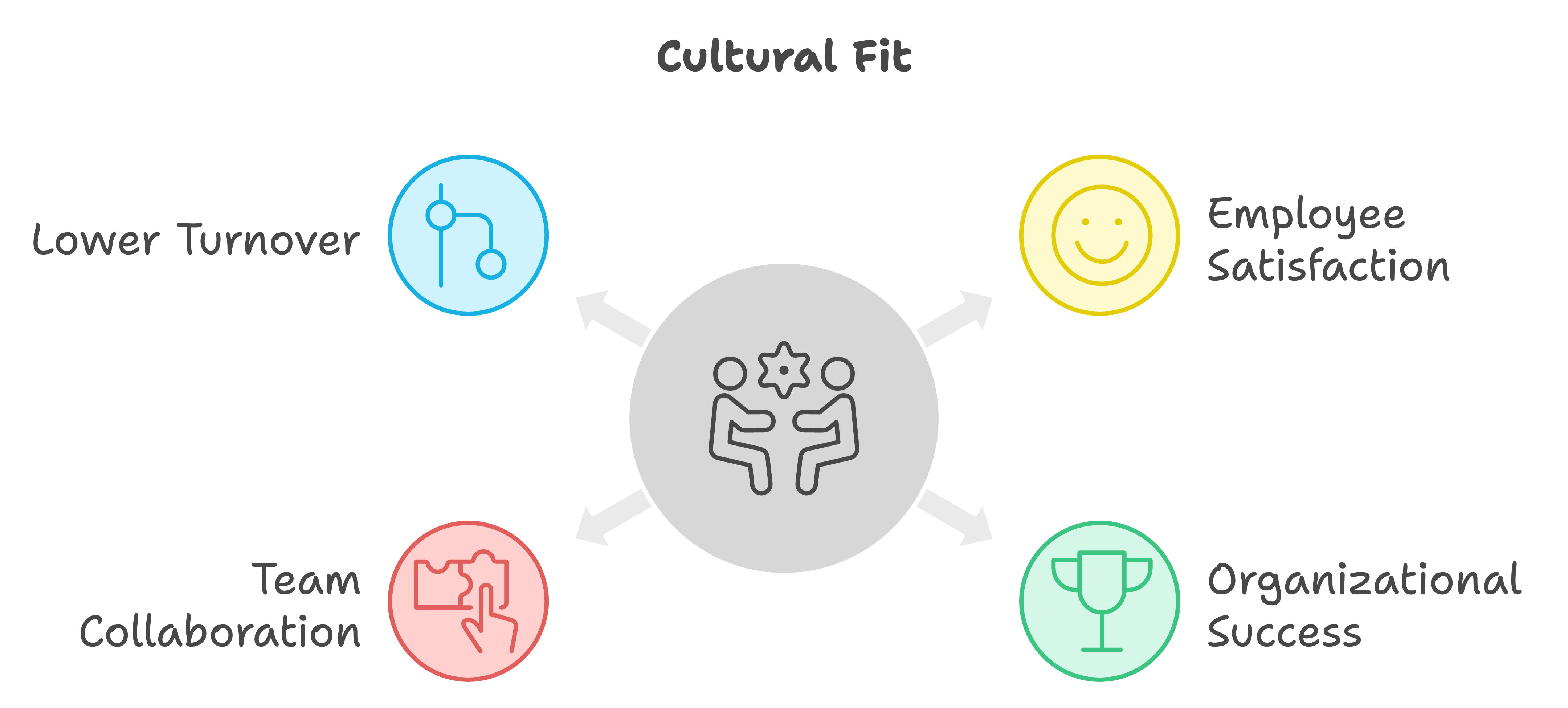
When everyone in a company embraces the same culture, it’s a party! Everybody understands the purpose of the company & the value of the company and this kind of feeling is nice. People tend to feel that they belong to a greater cause and this by the way improves their job satisfaction levels.
Usually, listening to each other, being inclusive, being open, and including everyone are the cornerstones of trust at the workplace. Such places enhance contributions from all the people who are involved. That is organizations with a defined cultural fit can manage changes better and take on new challenges easier. It also ignites new ideas.
More Productive Employees
When the culture is right for everyone, bills are usually paid on time. In most cases, culture tends to be such that enhances the output of employees. According to Gartner, a good cultural fit can increase the performance of the employees by 22%.
| Benefit | Improvement Percentage |
|---|---|
| Hitting Revenue Targets | Up to 9% |
| Employee Performance | Up to 22% |
| Repping the Company Well | Up to 16% |
As one pulls up their sleeves, expectations become even more so as business targets become the order of the day. This is quite useful in the event that you are outsourcing the developers from abroad as it helps keep the remote teams engaged to produce quality work.
Enhanced Cooperation Among Employees
Team sparing is setting too, the culture of the organisation. Cooperation is enhanced since there is a common cause among the people. There are communication, respect and comprehension of the common goals due which is made possible by a strong culture.
This is very critical for the agile software teams and all other group activities. It is important to do this on a consistent basis as employees are encouraged to share their opinions, and gratitude is given for those employees who uphold the values, and team development activities are equally prioritized.
With every single person working in the right culture, the atmosphere becomes calmer enhancing growth and success of the organization. Would you like more insights on how to address cultural fit appropriately? Look at how to work with Indian developers regarding cultural issues.
Align Everybody’s Mindset
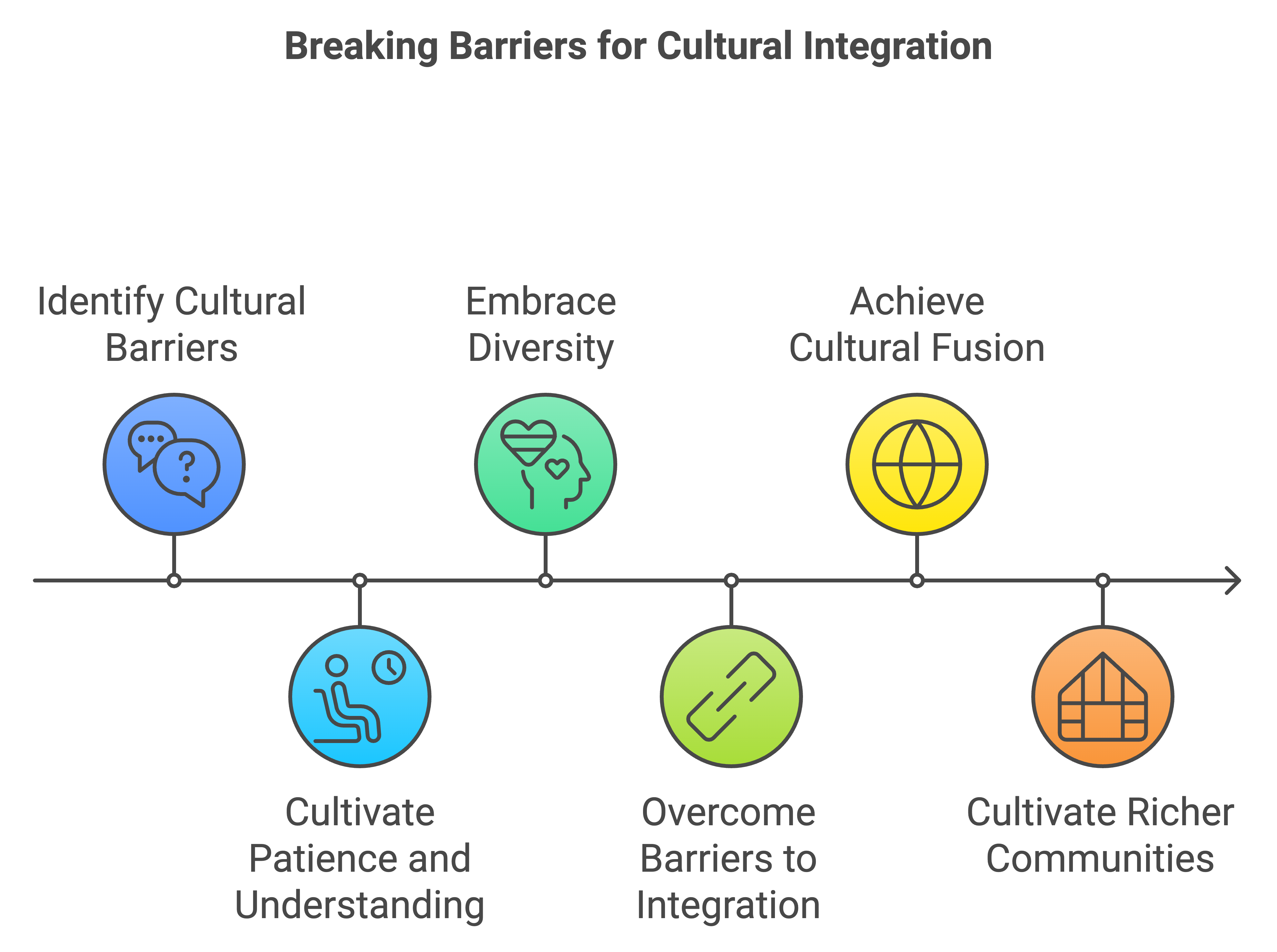
Integrating people from different cultures and backgrounds into a single working group can be challenging. This requires that each person comprehends the spirit of the organization. For that, we put our heads together to follow leader coordination: hard nosed definition and establishment of key aspects shared out, exhibits effective leadership at all levels and craves appreciation in the media.
Know Your Audience
Horizon, scope and objectives of a start up company is more than just a fancy something for the ceo; it is what makes all the voices ring in harmony. Here’s my strategy for getting all the head count on:
- Define the what – vision, mission and values.
- Promote the hell out of it: newsletters, town hall, group emails, etc.
- Embedding them into day to day operations.
- Communication is paramount in preventing miscommunications and illuminating the path for all.
Leaders Practice What They Preach
The only function of a boss is to sign and distribute the monthly wage. Interviewers are responsible for generating culture. Would you like to be in an organization where leaders are not support to lead but rather put code of conduct on the wall? Values must be lived, demonstrated, and modeled by their leaders.
- Management should practice what they preach regarding the business values and themselves.
- Conduct periodic training sessions that include every aspect of living the values of the organization.
- Put cultural fit/ alignment in performance appraisals.
When the values of the leaders are in order, everybody else will fall in line without being forced.
Listen To Your Employees
When in doubt, who should you turn to in order to figure out the core issues? Those working on ground zero. Getting feedback is the best thing and so is rewarding those who deserve to be rewarded.
Ask everyone for their views and opinions on a regular basis – for example, surveys, open-ended discussions. Listen to them and make sure that they know that their input is valuable. Implement a reasonable reward system to honor the recognition that at the bottom line is deserving of reward and honor. It feels good to take a stand and thank people when they deserve it. But more important it ensures that operations run smoothly.
In terms of culture shocks, for additional information on coping with differences, check out our two part series on engaging and working with Indian developers and on the benefits of working with indian developers in an agile model.
Approaching these moves means that the work atmosphere in which everyone is seen to be more active and happier will become a reality. Go ahead!
The Hard Shells Of Cultural Integration
The culture of a company is one of the most challenging elements to change. Seriously, it’s pretty hard. They include lack of motivation to change, ambiguity of the requirements, and long standing established practices.
Changing the Status Quo
The people who resist or refuse to change is one of the main obstacles. If employees are in their comfort zones, it is more likely that they would not want things to be disturbed. It’s like convincing your grandma to replace her old film camera with the latest digital camera, she probably wouldn’t hear of it. This kind of attitude is likely to create misalignment between what the company’s visions are all about and how the employees are working towards that goal. Consider the example of tech sectors like mobile app development or cybersecurity – if one or more individuals refuse to budge, progress in innovation is stalled.
Muddy Waters of Expectations
Furthermore, in case you haven’t noticed, if the ‘vision’ and goals of the ‘the company’ are stated with the precision of a blind Umbrella through a Sandstorm, employees won’t grasp it. They need a clear picture of what is expected of them. Failing adequately on this may result in lots of beating around the bush and many balls being dropped. This is particularly dangerous for teams within startups- startup development teams tend to require direction in order not to get lost in the chaos that is almost inevitable.
New Isn’t so New
To end, that old saying, old habits die hard can apply here too. Those norms which are in existence for a long time could be more stubborn than others. It is like trying to remove a gum which is stuck at the bottom of the shoe. In order for a company to cultivate a new culture, every person has to expose themselves, engage in conversation, and be ready to hear. Let’s take devops engineers or agile development teams, for instance. For these teams, how trust and transparency can enhance teamwork and help to accomplish tasks, are unimaginable.
In order for such cultural integration to be effective, organizations must employ as many relative people as possible and pass those cultural values during the orientation.stage. It’s like if you think you’ve lost a piece of that intricate puzzle and then you find that missing piece. Hence, everybody paddles in the same direction, which enhances the level of satisfaction and productivity in the workplace. Want more on this? Check out our articles about onboarding process for Indian developers and about cultural aspects of working with Indian developers in order to understand how to integrate newcomers into culture. Lean more about The Advantages of Agile Methodology
Remote Working: Combining Teams Practically and Efficiently
The shift from working in offices to conducting business from home has greatly facilitated – and perhaps revolutionized – the way teams built up in one office cooperate and collaborate. For business owners, the tricky part in this transformation is maintaining the stanine on – as in output as well as morale.
Transition towards Virtual Teams
Equally important, virtual teams represented the uncharted territories, bringing attention to issues within companies’ leadership and sense of the company. Considering these issues, remote work can prevent employees from major disconnects between themselves and their managers and teammates.
| Aspect | Office Teams | Virtual Teams |
|---|---|---|
| Trust Levels | High | Can be Lower |
| Chats and Talks | Lots | Less |
| Tech Dependency | Moderate | High |
That is why business managers need to make it clear to the remote teams what is expected in the carefully defined and communicated values of the company to avoid bestifying in helping others. This further connects with eradication fear of not belonging.
Establishing Remote Help Systems
Remote workers must have building and other effective ways since they work remotely. What this entails is that they must also have the necessary and proper technological resources such as tools and human resources that offer proper technical assistance on how to use the collaboration tools effectively. Behaving positively at work contributes to improved productivity of employees.
| Support Systems | Importance |
|---|---|
| Reliable Tech | Super Important |
| Tech Support | Super Important |
| Tool Training | Super Important |
Here, like in particularly cloud computing services mentioned earlier, their cooperation is equally necessary with external IT service providers.
Communicating with Virtual Teams
Good communication is key to successful remote teams. Leaders need to adapt by making sure communication is clear, predictable, and responsive. Frequent check-ins and clear updates using tools like Slack, Zoom, and Microsoft Teams help keep the team connected.
Agreeing on when and how to communicate ensures no one is left out. Learn more about this on our communication tools for remote teams page.
The secret sauce for thriving remote teams includes smooth transitions, strong support, and clear communication. For more on building successful remote teams, visit remote developer productivity.
Useful Resources: