Bridging Borders: Exploring Cultural Differences with Indian Developers
Olivia Harris – Startup Founder – Understanding cultural differences in working with Indian developers has been crucial to my company’s success.
Sep 25, 2024 | 5 Minute Read
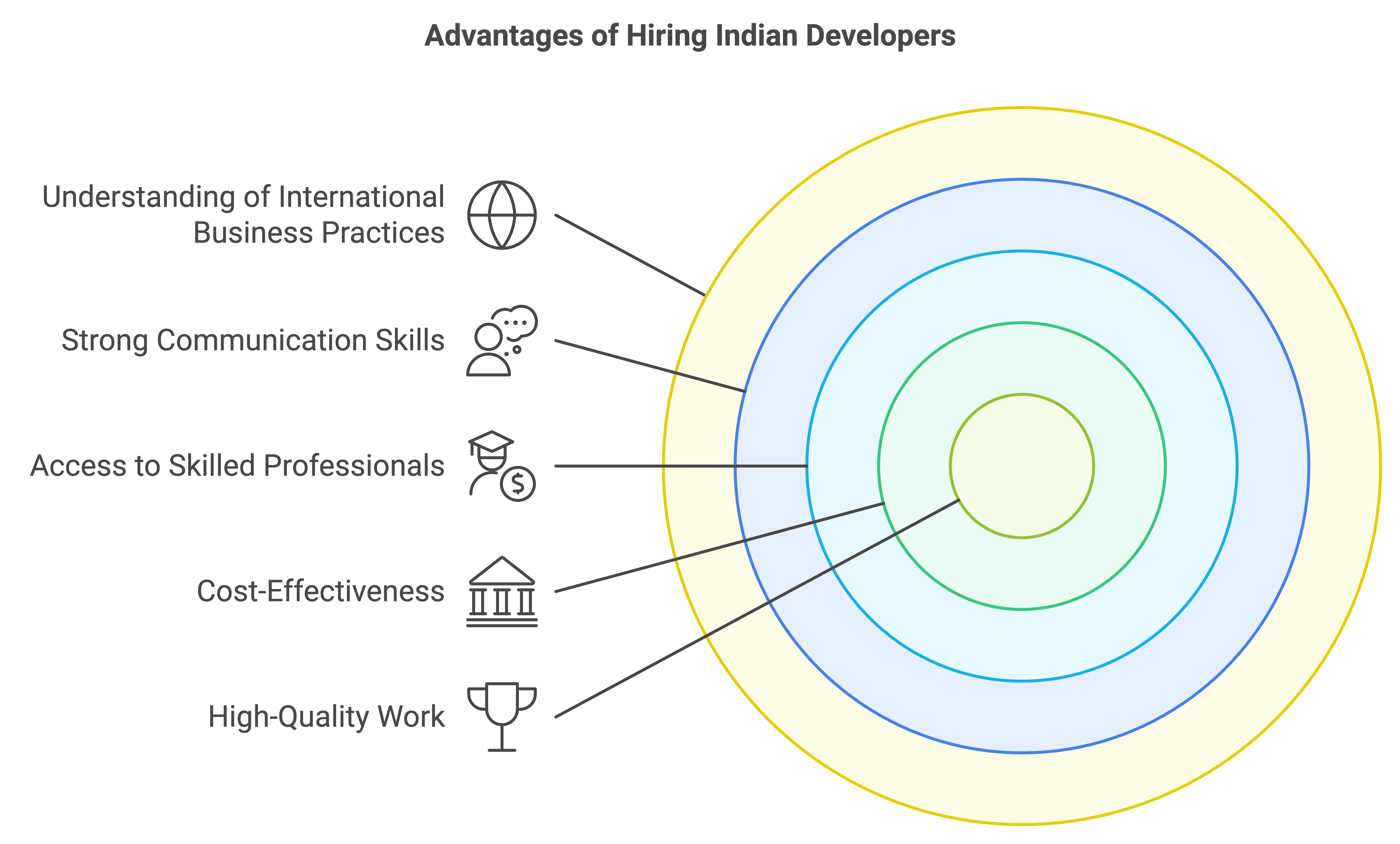
Why Hiring Indian Developers Rocks
Working with Indian developers is like hitting a creativity jackpot. India’s diverse culture promotes equality and values different perspectives, making the workspace incredibly vibrant. This mix not only spurs creativity but also leads to unique problem-solving approaches. With such a blend, your team can come up with innovative ideas and work together smoothly.
| Aspect | Detail |
|---|---|
| Cultural Influence | From Indus Valley times and beyond |
| Work Culture | Inclusive and diverse |
Education is King
Indian developers have a serious thing for education. They’re constantly upskilling, diving into advanced courses, and bagging degrees or certifications. This thirst for knowledge ensures they’re always in the loop with the latest tech and trends, making them gold for any project.
| Education Aspect | Detail |
|---|---|
| Commitment | High on lifelong learning |
| Certifications | Loaded with advanced degrees and certs |

Master Problem Solvers
Indian developers are like the MacGyvers of the coding world. Thanks to ‘Jugaad,’ a flexible, can-do approach to problem-solving with limited resources, they often come up with clever fixes for tricky issues. This spirit is super handy in fast-paced startup development teams where swift, effective problem-solving is a must.
| Innovation Aspect | Detail |
|---|---|
| Concept | ‘Jugaad’ – Making magic with less |
| Application | Perfect for agile and startup setups |
Teaming up with Indian developers can seriously level up your projects. From benefiting from a culturally rich work setting and their education-first mentality, to harnessing their knack for innovative problem-solving, these pros can supercharge your team’s skills. If you’re curious about how to hire the best from India, don’t miss our article on
Deciding on Developers for Niche Technologies in India
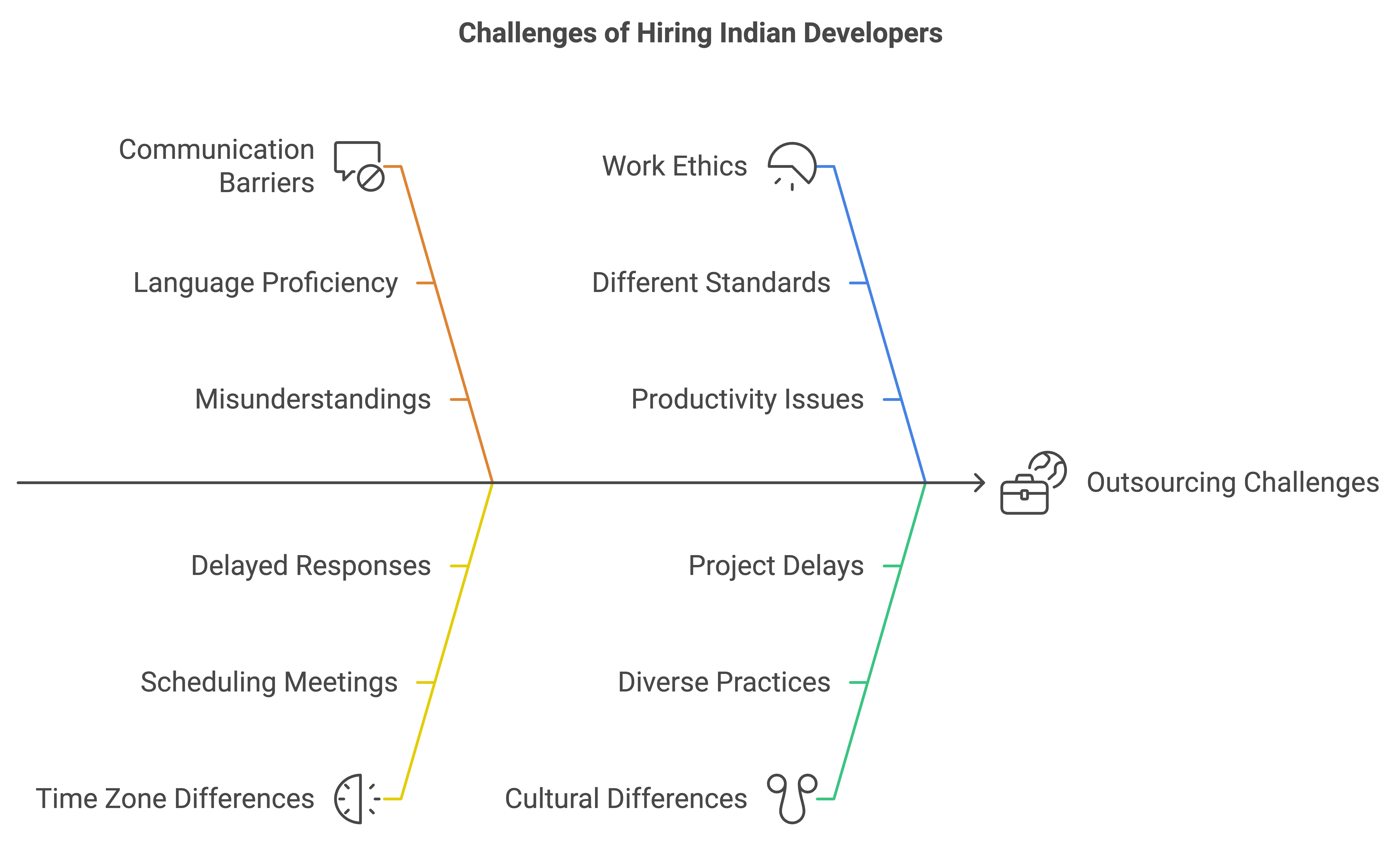
The Drawbacks of Hiring Indian Developers
Decisional Dance
Cultural quirks can throw a wrench in decision-making. The ingrained respect for hierarchies, influenced by the old caste system, still lingers. Western managers, who love their flatteam vibes, might find this hierarchy game confusing. Plus, detailed plans? Well, in India, life’s unpredictability makes strict schedules seem like a game of make-believe. They love their flexibility, while we often crave order.
And then there’s the communal approach. Indian pros like to ask around before deciding, which drags things out. They’re not into flying solo on decisions – team chats and consensus are the norms. So next time, if you’re thinking, “Why is this taking forever?” just know they’re busy gathering the tribe’s sage advice.
| Factor | Western Perspective | Indian Perspective |
|---|---|---|
| Communication Commitment | Clear and Direct | Acknowledgment of Receipt |
| Decision Making | Independent and Collaborative | Hierarchical and Consultative |
| Time Management | Urgent and Structured | Flexible and Adaptable |
Closing Thoughts
Grasping these cultural quirks can smooth out the bumps and make collaboration a breeze. If you want to dig deeper into this, check out our takes on Decoding Excellence: Guide to Evaluating Indian Developers Technical Skills
The-Ultimate-Guide-to-Hiring-Top-Indian-Developers-PreviewUseful Resources:
Navigating the Cultural Differences between the US and India in Business
FAQs
What is the difference between American and Indian work culture?
The key differences between American and Indian work cultures include:
- Work-Life Balance: American companies often emphasize work-life balance, encouraging employees to maintain a separation between their personal and professional lives. In contrast, Indian work culture may involve longer working hours and less distinct separation between work and personal life.
- Hierarchy and Authority: Indian work culture tends to be more hierarchical. Decisions are often made at the top and the respect for authority is paramount. In contrast, American work culture usually promotes a more egalitarian approach, where questioning and feedback to higher-ups are encouraged.
- Communication: American workplaces generally value directness and clarity in communication. In India, communication might be more indirect, with a greater focus on maintaining harmony and respect, especially in a hierarchical setting.
- Flexibility and Innovation: The American work environment often fosters innovation and flexibility, encouraging risk-taking and entrepreneurship. Indian companies, traditionally, may prioritize stability and adherence to established practices, though this is rapidly changing with the new startup culture.
What is the role of culture in the development of India?
Culture plays a significant role in the development of India by influencing social structures, business practices, and educational priorities. It shapes the way people think about family, work, and community responsibilities. Cultural values such as respect for education, the importance of family bonds, and a strong sense of community have contributed to India’s progress and adaptability in the global economy. Additionally, diverse cultural heritage fuels the tourism industry and local economies, further aiding development.
What is Indian work culture like?
Indian work culture is characterized by:
- Strong Hierarchy: Respect for authority and seniority is emphasized, with a clear chain of command in most organizations.
- Community and Relationship Focus: Building relationships and community at the workplace is important. Interactions are not just transactional; personal relationships can play a significant role in work-related interactions.
- Flexibility: There is often a flexible approach to schedules, deadlines, and negotiations, though this can vary widely across different companies and sectors.
- Festivity and Celebration: Cultural and religious festivals are celebrated with enthusiasm, and it is common for these celebrations to extend into the workplace.
How to interact with Indian culture?
To interact effectively with Indian culture:
- Show Respect for Traditions: Demonstrate respect for Indian traditions, customs, and etiquette. This includes being mindful of cultural norms around dress, greetings, and social interactions.
- Understand the Value of Relationships: Invest time in building relationships and trust. In India, personal bonds can significantly impact professional dealings.
- Be Patient and Flexible: Adapt to the flexible nature of time and schedules in India. Patience is often necessary in negotiations and when awaiting decisions.
- Communicate Thoughtfully: While English is widely spoken in business contexts, it’s important to communicate clearly and consider the indirect communication style that might be preferred in formal or hierarchical settings.