Empower Your Ecommerce Venture: Why I Chose to Hire an Ecommerce Developer
Liam Hayes – Startup Founder – If you are looking to expand your online business, it’s critical to hire an experienced ecommerce developer to ensure your platform is top-notch.
Oct 30, 2024 | 10 Minute Read
Hiring Dedicated Developers
When it comes to building up your eCommerce team, picking the right developers is like finding the secret sauce for success. Figuring out who’s a keeper and how to effectively evaluate those potential new hires is where the magic happens. Here’s my take on what’s essential when you’re in the market to hire an eCommerce developer.
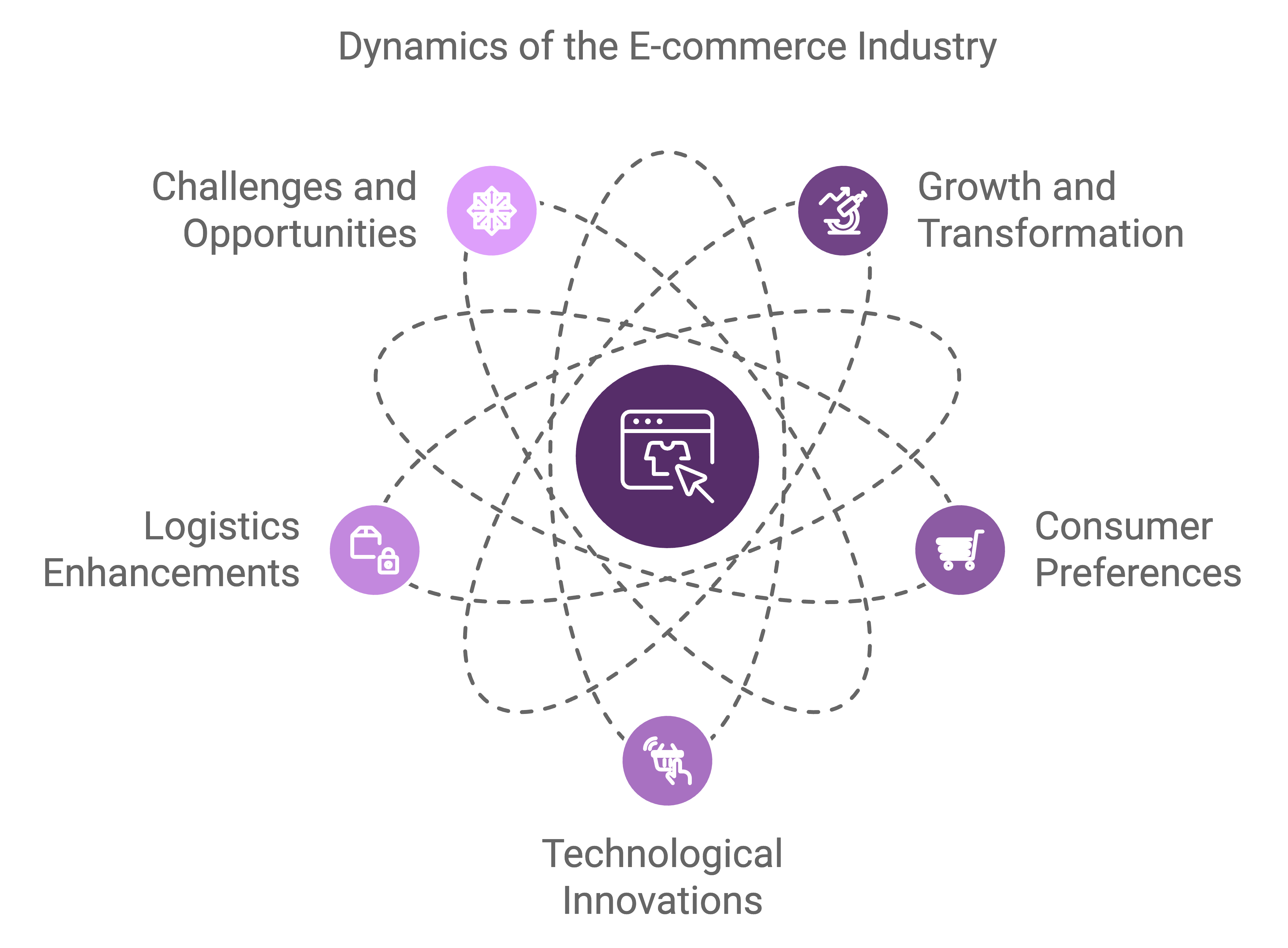
Skills Required for Magento 2 Developers
Finding the right Magento 2 developers means checking out both their geeky side and their people skills. A good mix ensures they can tackle the nitty-gritty of Magento 2 and also vibe with your team. Here’s what matters:
Technical Skills:
- Programming Languages: These folks need to know PHP, CSS, and JavaScript like the back of their hand.
- Magento 2 Setup: They should be able to get Magento Commerce platforms up and running smoothly.
- Theme Development: Experience in cooking up and tweaking Magento 2 themes is key.
- Performance Optimization: They should know how to keep things zooming along efficiently.
- Custom Extensions: Crafting bespoke extensions to suit your business’ quirky needs is a must.
| Skill | Importance |
|---|---|
| PHP | High |
| CSS | Medium |
| JavaScript | High |
| Magento 2 Configuration | High |
| Theme Development | High |
| Performance Optimization | Medium |
| Custom Extensions | High |
Non-Technical Skills:
- Multitasking: Balancing multiple projects without dropping the ball is critical.
- Problem Solving: Being a wizard at fixing issues is a necessity.
- Time Management: Their ability to keep things on schedule is vital.
- Communication: They need to be chatty enough to get ideas across with the team and clients.
Assessing Top Magento 2 Developers
When you’re on a mission to hire dedicated developers, it’s super important to dig deep into their skill set. Here’s how I usually tackle the selection process:
- Portfolio Review: A good look at their previous projects tells you what they’re made of.
- Skills Assessments: Platforms like TestGorilla can help check out both their tech and soft skills in detail.
- Interviews: The old-fashioned talk-and-see approach helps in understanding their talents and if they’ll gel with the crew.
Internal Links:
- Exploring ways to hire a software developer means diving into their technical prowess and social skills.
- Getting a grip on the importance of effective developer recruitment is key to snagging the right talent for your eCommerce dream team.
- For a deeper dive into hiring tips, hit up our guide on how to hire web developers in India.
By honing in on these areas, you’ll set yourself up to snag top-tier Magento 2 developers who’ll be a real asset to your eCommerce goals.
Efficient Developer Recruitment
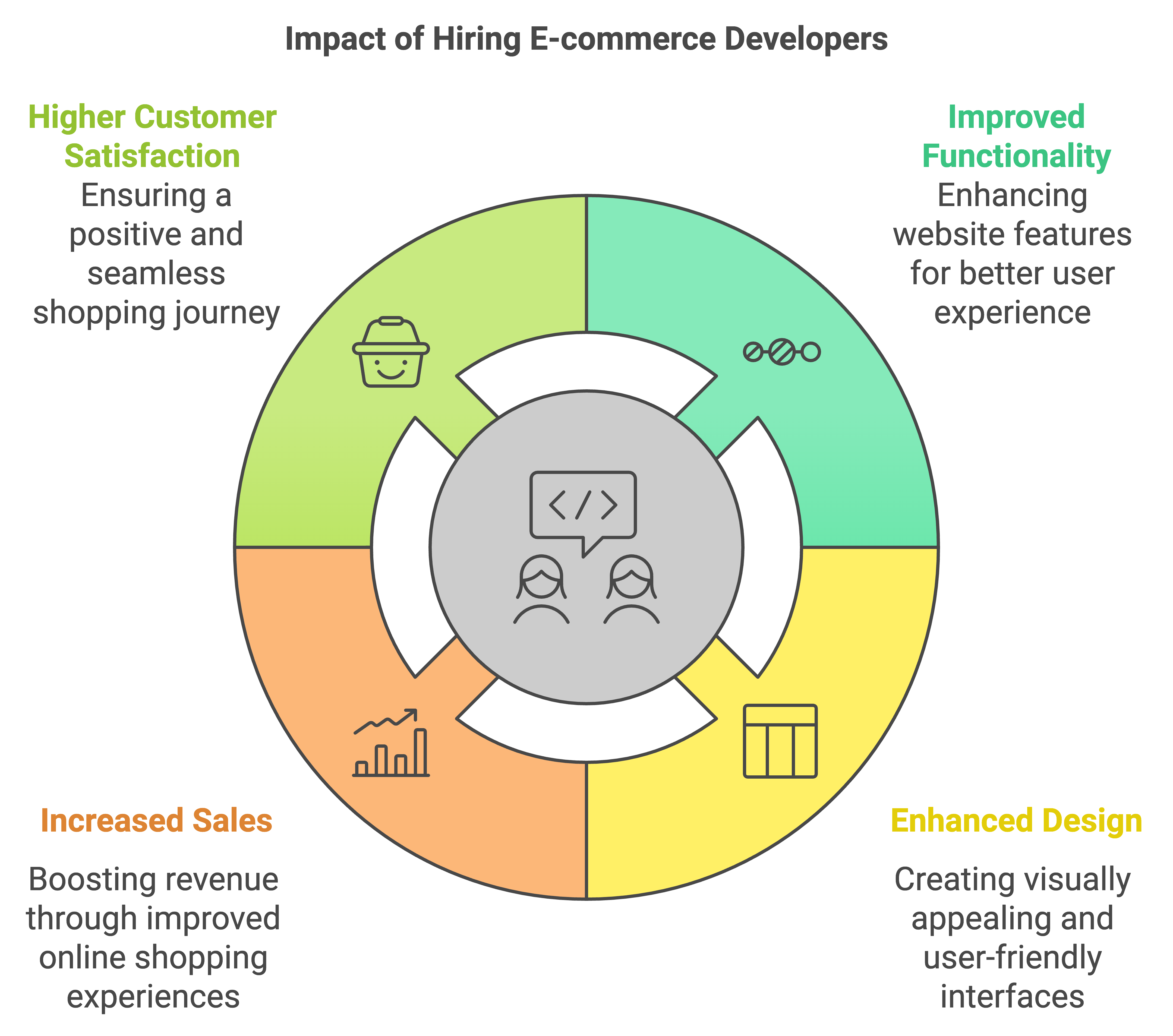
When it hit me that I needed an ecommerce developer, I knew hiring right was super important. The usual hiring grind is a slog—think endless job ads, sifting through resumes, and only then getting to meet the people behind the paper. This can be an extra hassle if you’re a smaller fish in the business pond.
Getting the right folks on board means I’m setting up my business, and myself, for success. Good developer recruitment helps me hit deadlines and nail projects, which is a must if I want to keep up in the zippy fast ecommerce race.
Streamlining the Hiring Process
Making the hiring dance smoother became my mission—to hire dedicated developers without all the fuss. Bringing tech into the mix made a world of difference:
Applicant Tracking Systems (ATS)
With an ATS in my toolkit, automating bits of recruitment became my secret weapon. It cut back on all the admin and scanning, meaning I could zero in on the standout candidates for interviews.
| Steps in Traditional Hiring | Ideal Time (Days) | Improved with ATS (Days) |
|---|---|---|
| Job Posting | 5 | 2 |
| Resume Screening | 7 | 3 |
| Initial Interviews | 10 | 5 |
| Skill Assessment | 5 | 3 |
| Final Interviews | 5 | 3 |
| Total | 32 | 16 |
AI and Machine Learning
Tapping into AI and machine learning amped up my search for the perfect candidate by crunching and sorting those resumes to find the top picks for my shop’s project needs.
Specialized Search Engines
Checking out specialized job sites like Indeed gave me a big stack of resumes, making it easier to pick out developers that fit the bill for what I needed.
Checking References
Before signing on the dotted line, I made it a point to check out references. It’s like getting the inside scoop about their previous gigs and any quirks. This helped ensure I’m bringing on someone who’s not just skilled but fits right into my business groove.
| Criteria | Importance (1-5) | Average Score |
|---|---|---|
| Technical Skills | 5 | 4.8 |
| Communication Skills | 4 | 4.5 |
| Past Experience | 5 | 4.7 |
| Cultural Fit | 3 | 4.2 |
Flexibility and Market Smarts
I hunted for recruits who could roll with the punches and knew their ecommerce stuff inside and out. It was a must for them to be able to pivot quickly when the market took a twist or turn.
Effective Communication
Chatting is key. Developers need to spell out what’s screaming for their attention and keep the convo smooth with clients. This way, projects stay on track and clients keep smiling—two gigantic wins in ecommerce land.
If you’re stepping into ecommerce for the first time, having a team that’s a mix of smarts and know-how is your best play. By trimming my recruitment process and homing in on these main points, I snagged the ecommerce ace I needed to power up my business.
For more scoops on hiring your dedicated crew, take a look at the hire ecommerce developer page. If specialized roles are more your scene, check out these: hire web developer, hire react developer, and hire laravel developer.
Ecommerce Industry Insights
Diving into the ecommerce scene isn’t just about knowing the nitty-gritty of sales. When you’re on the hunt to hire an ecommerce developer, it’s super important to keep both the personality and the performance aspects of your online business in mind.
Key Traits for Ecommerce Teams
Building a killer ecommerce team hinges on spotting a few major must-haves:
- Flexibility: Things move fast in ecommerce, like real fast! Trends pop up one day and vanish the next. A team that rolls with the punches and can quickly shuffle their strategies will keep you ahead.
- Market Know-How: Knowing the ropes about your audience and rivals is gold. Who’s buying, what they’re looking for, and who else is throwing their hat in the ring are things you gotta keep tabs on.
| Trait | Description |
|---|---|
| Flexibility | Quickly adapting to changing trends and behaviors |
| Market Know-How | Grasp of customer details and competition |
Let’s not forget about the value of being savvy with SEO—it’s your ticket to getting noticed online. Your team should be on top of their SEO game, both on-site and elsewhere, to boost those search rankings. Also, the ability to personalize is huge, making sure the user experience is spot-on with your brand vibe.
Essential Ecommerce Metrics
In the ecommerce biz, success doesn’t just happen; it’s measured, carefully! Here’s what you want to keep on your radar:
- Average Order Value (AOV): This is like the heartbeat of your sales, showing the typical spend per customer per checkout. Cranking up your AOV usually means you’ve nailed cross-selling and upselling.
- Customer Lifetime Value (CLV): This one’s about the dough you can expect from a customer over time. Understanding CLV helps shape how you treat customer relationships for the long haul.
- Repeat Customer Rate (RCR): This percentage shows how many are coming back for more—indicative of loyalty and satisfaction.
| Metric | Description |
|---|---|
| Average Order Value (AOV) | Usual spend by buyers per purchase |
| Customer Lifetime Value (CLV) | Total expected revenue from each customer |
| Repeat Customer Rate (RCR) | Percentage of customers returning for more purchases |
Spotting these metrics is just the start. A real pro knows how to use them wisely—to shake up marketing, polish the customer journey, and bump up those profits.
Looking to sharpen your skills further? Check out resources like hire web developer and hire app developer for a deeper dive.
Grasping these tricks of the ecommerce trade will seriously crank up your operational mojo. Whether you’re hiring savvy developers locally or internationally, keeping a tight focus on these traits and figures will steer your ship toward success.
Web Developer Selection
Picking the right developer for your online store is like finding the perfect pair of shoes—you want just the right fit. Let me give you the lowdown on what to scout for in an awesome ecommerce developer and the essentials for keeping your site speedy and secure.
Qualities of a Solid eCommerce Developer
From what I’ve seen, a top-notch ecommerce developer is like a superhero with these powers:
Know-How with eCommerce Platforms: They need to be old buddies with platforms like Shopify, Magento, or WooCommerce. Think building stores, tweaking themes, and making sites pop on search engines.
Customization Skills: Crafting a website that feels like YOUR brand is the goal. Developers who can bend and shape ecommerce platforms to fit your vibe help your business shine in a sea of sameness.
Problem-Solving Whiz: Building ecommerce sites ain’t always a cakewalk. A developer who can breeze past headaches like software bugs and tool mix-ups is pure gold.
Chatty and Clear Communication: Before you get a chance to say “how’s it going?” the developer should already be dropping updates. Staying in the loop with what’s cooking is a must, especially for remote gigs.
Speed and Safety Goals
Getting your ecommerce site to run like a well-oiled machine and safe as a vault is key. Here’s what’s on my checklist:
Zooming Performance: Slow sites are a no-go for both folks browsing and your search engine scores. Here’s my toolkit: trim server lag with efficient tech, compress images so they’re light but still snappy, shrink those hefty JavaScript, CSS, and HTML files, and use CDNs to send content zooming across the web
Lockdown Security: Customers need to feel like they’re shopping in Fort Knox. Slap on layers of security like:
- SSL Certificates: Keep the data delivery between your site and users under digital lock and key.
- Regular Security Check-Ups: Time for some routine maintenance on your protection shields.
- Firewalls and Anti-Malware: Guard your gates against unwanted guests and nasty software.
- B2B Add-Ons for Businesses: If your gigs involve dealing with other businesses, tailor features like special pricing, bulk buying options, and custom catalogs for happy partnerships and smooth operations.
Eager for more juicy tidbits on finding top-tier ecommerce whizzes and cracking the recruitment code? Dive into our guides on how to hire dedicated developers in India and ace developer recruitment.
Keeping these ace qualities in check means you’re better positioned to snag an ecommerce developer who hits your targets and then some.
Useful Resources:
The Best Way to Hire CMS E-Commerce Developers
FAQs
Q: How much does it cost to build an eCommerce website?
A: The cost to build an eCommerce website depends on various factors such as platform, features, design complexity, and developer rates. On average, a basic eCommerce site can cost between $2,000 to $10,000, while more advanced or custom sites can range from $15,000 to $50,000 or more.
Q: How much does it cost to get into eCommerce?
A: The cost to get into eCommerce includes several components: domain name ($10-$15/year), hosting ($30-$300/month depending on traffic), website design and development ($2,000+), payment gateway setup, and ongoing marketing expenses. The total initial setup can range from a few thousand dollars to over $20,000 depending on scale.
Q: What does an eCommerce developer do?
A: An eCommerce developer is responsible for building, maintaining, and optimizing online stores. Their tasks include designing the user interface, integrating payment gateways, ensuring website security, optimizing for SEO, handling product databases, and ensuring a seamless user experience across devices.
Q: How do I choose an eCommerce developer?
A: When choosing an eCommerce developer, consider their experience with your preferred platform (such as Shopify, Magento, WooCommerce), their portfolio of completed projects, client reviews, and ability to integrate key features such as payment systems, security, and custom functionalities. Communication and post-launch support are also critical factors to evaluate.