Decoding Excellence: Guide to Evaluating Indian Developers Technical Skills
Olivia Harris – Startup Founder – In this article, I will share insights on how to assess the technical skills of Indian developers effectively.
Sep 25, 2024 | 10 Minute Read
Pros and Cons of Hiring Indian Developers
Thinking about adding some tech talent from India to your team? Let’s chat about the good, the not-so-good, and everything in between.
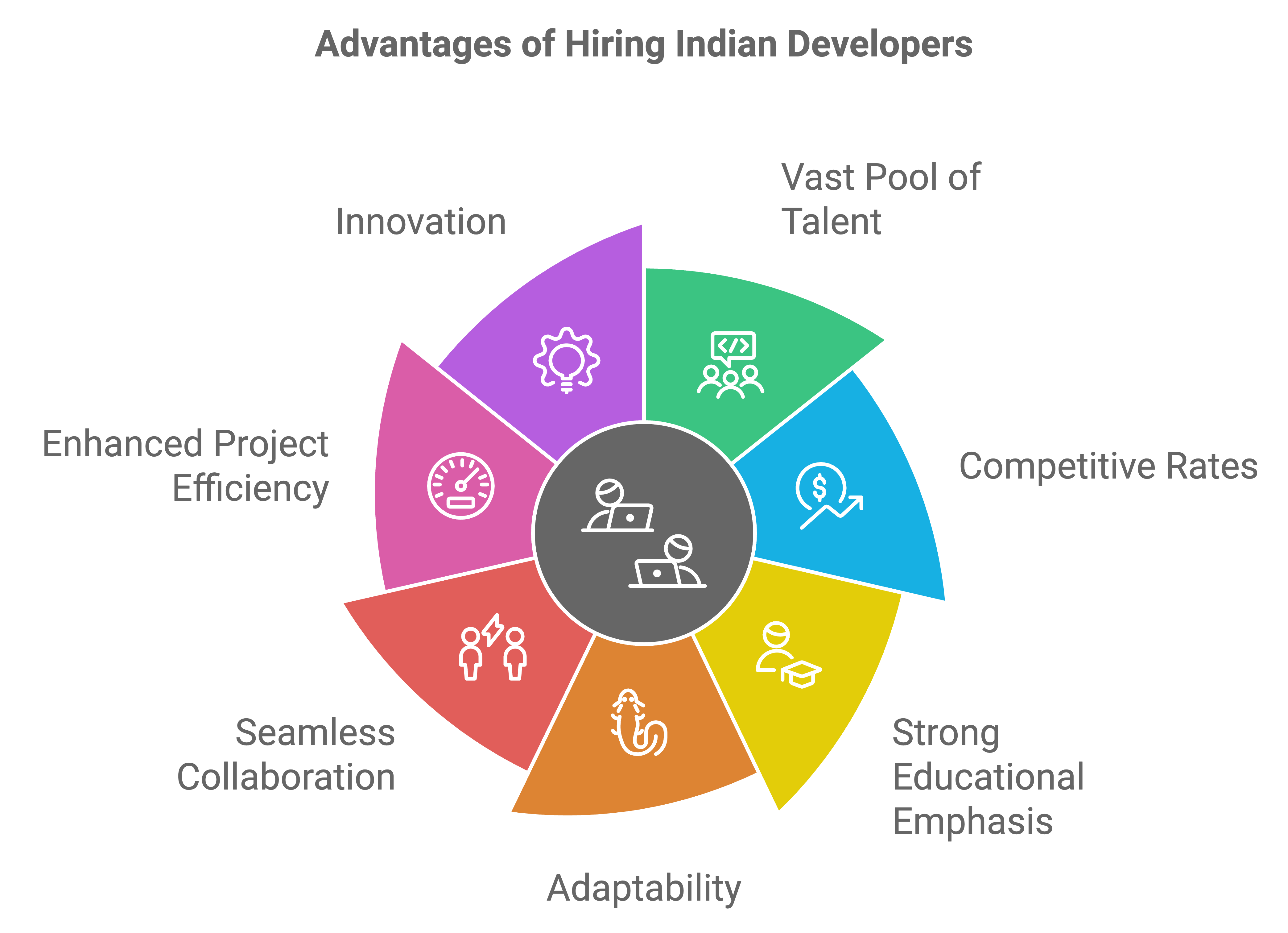
Benefits of Hiring Indian Developers
So, why are so many companies jumping on the India bandwagon?
Tech Wizards
Indian developers have strong tech chops – they’re all over open-source projects like Apache, Kubernetes, and React Native. They’re creative, problem-solving machines.
| Skill Area | Expertise Level |
|---|---|
| Web Development | High |
| Mobile Apps | High |
| AI | High |
| Enterprise Solutions | Medium-High |
Not Breaking the Bank
Hiring in India is wallet-friendly. Lower living costs mean you get skilled developers without burning a hole in your pocket.
| Region | Average Hourly Rate ($) |
|---|---|
| U.S. | 50-150 |
| Western Europe | 40-120 |
| India | 20-60 |
Speak Easy
No need for Google Translate. A huge number of Indians speak English, so chatting with your team is a breeze.
Flexible Hours, More Power
Indian developers often adjust their work hours, which is perfect if your team is scattered across different time zones. More work hours in a day? Yes please!
Challenges of Hiring Indian Developers
It’s not all sunshine and rainbows though.
Culture Crash Course
Different strokes for different folks. Expect some cultural and communication quirks. But hey, it’s all a learning experience, right?
Time Zone Tango
Time zones can be both a buddy and a bully. Real-time communication might take a hit, but with solid management and tools, you’ll figure it out.
Quality Control
Keeping quality top-notch with remote developers can be tricky. Rigorous QA processes and maybe a dedicated tester or two are your best friends here.
Data Safeguards
Data security can keep you up at night. Make sure your developers stick to strong security protocols to protect your intellectual property. Check out how Indian companies handle this to put your mind at ease.
The Verdict
Weigh the pros and cons, and you’ll be set to make a savvy decision about bringing Indian developers on board. Curious about how agile teams fit into this equation? Dive into MAGIC OF DATA SCIENCE DEVELOPERS and let’s innovate smarter, together. 🚀
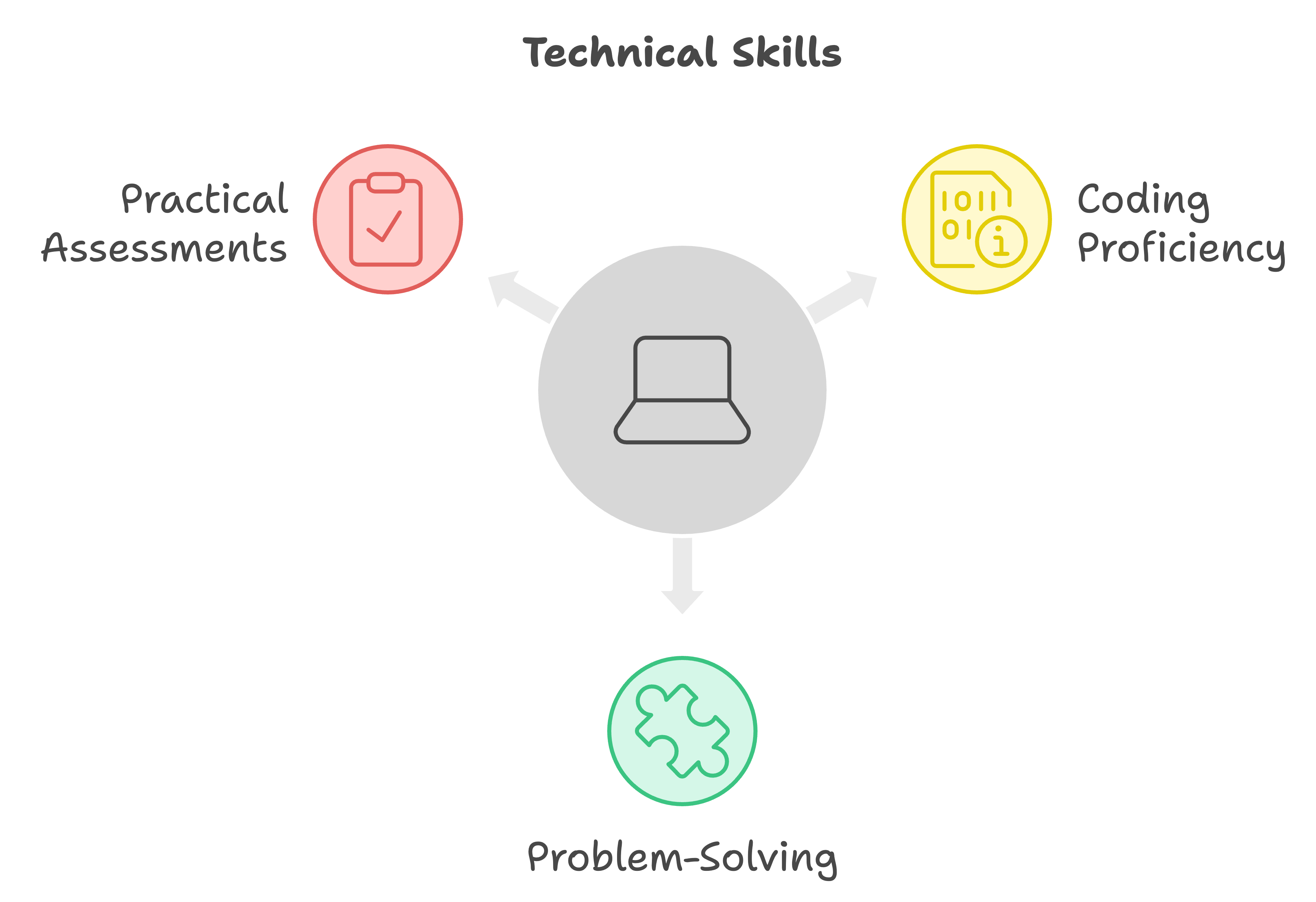
Assessing the Technical Skills
Alright, so you’re scouting for top-notch technical talent among Indian developers? Great choice! It’s time to turn our attention to picking out the stars not just by looking at their language skills, but also by seeing how they wrestle with real-world problems. Here’s the lowdown on how to snag the best folks for your team.
Evaluating Programming Languages
Knowing which programming languages a developer excels at is step one. Here’s the scoop on the most popular languages used by Indian developers, and why they’re in such high demand:
JavaScript:
Everyone loves JavaScript, especially in India! It’s the go-to for websites that need to be pretty and interactive. Check out where it mostly shines:
| Industry | Use Case |
|---|---|
| E-commerce | Snazzy web pages |
| Advertising | Eye-catching ads |
| Entertainment | Streaming fun |
Java:
Close on JavaScript’s heels is Java. Developers use it all over the place, from banking apps to medical systems. It’s a workhorse.
| Industry | Use Case |
|---|---|
| Finance | Bank transactions |
| Healthcare | Health management tools |
| Retail | Keeping track of stock |
Python:
Who could forget Python? Clean, readable, and comes with a big box of tools. It’s the darling of scientists and data nerds.
| Industry | Use Case |
|---|---|
| Finance | Crunching numbers |
| Healthcare | Research work |
| Technology | Teaching robots |
React.js:
React.js is a super-popular JavaScript library. If your project needs a zippy front end, this is your ticket to delivering smooth user interfaces.
Testing Problem-Solving Abilities
A developer’s programming chops are just part of the puzzle. Can they untangle spaghetti code and find elegant solutions? Time to find out.
Technical Interviews:
Put them on the spot with hypothetical problems. Listen to their approach—this tells you how they think on their feet.
Pair Programming:
Work side-by-side on a task. It’s a crash course in seeing their workflow, speed, and how well they play with others.
Online Assessments:
Use web platforms for tests on data structures, algorithms, and more. It’s a numbers game—see their score and skills.
| Assessment Method | Key Skill Evaluated |
|---|---|
| Coding Assignments | Real-world solutions |
| Technical Interviews | Quick thinking |
| Pair Programming | Teamwork and speed |
| Online Assessments | Book smarts in code |
For a deeper dive into the nitty-gritty of running a killer remote team and ensuring top quality, check out resources on Tools and Techniques for Smooth Remote Development.
By zooming in on these techniques, you’ll find hard-working Indian developers who can tackle your toughest technical challenges.

Tapping into the Talent of Indian Developers
If you’re looking to boost your business with top-notch developers, Indian talent is a goldmine. Knowing why and how to benefit from their skills isn’t rocket science—it’s a savvy business move.
Diverse Skills at Your Fingertips
Indian developers aren’t just skilled—they’re versatile across many fields. Whether you’re in e-commerce, healthcare, finance, or education, these pros can be game-changers. Their know-how in various sectors makes them rockstars for any tech-driven venture.
They’ve Done it All
Here’s proof Indian developers shine in multiple areas:
| Industry | Cool Stuff They’ve Built |
|---|---|
| E-commerce | Payment systems, inventory tools |
| Healthcare | Health records systems, telehealth apps |
| Finance | Blockchain solutions, auto-trading tools |
| Education | E-learning sites, educational apps |
Experience matters a lot. The hands-on savvy of Indian developers in many industries means they bring unique skills to your projects.
Beyond Tech Skills: Creativity Counts
Indian developers aren’t just tech nerds—they’re creative problem-solvers. Their work on popular open-source projects like Apache, Android, Kubernetes, and React Native is proof enough. These contributions have shaken up the tech world.
But wait, there’s more. Here’s how they show off their creative chops:
- Hackathons: They tackle tough problems and shine in global coding contests.
- Startups: Many lead or launch startups, showing their ingenuity and business acumen.
- Community: They’re active in tech forums, sharing their brilliance and working together on the latest innovations.
Bringing this inventive spirit into your business could be your ace in the hole. Partnering with Indian developers for web or mobile apps, and AI projects can give you a leg up.
Why It Matters
Using the mix of industry know-how and creative energy of Indian developers can propel your company forward. It’s not just about staying afloat—it’s about leading the pack. For more on agile development with Indian teams, peep our agile development insights.
By tapping into this talent pool, you’re not just hiring developers; you’re adding value and innovation to your business. Don’t miss out on the chance to work with some of the smartest minds in tech.
Business Growth and Opportunities
Hiring developers from India is a goldmine for business growth. Here’s how understanding the benefits can make your business boom.
The Price is Right
Why spend more when you can get the same (or even better) results for less? Hiring developers in India just makes financial sense.
| Category | Indian Developers | US Developers |
|---|---|---|
| Average Salary (per year) | $20,000 – $30,000 | $80,000 – $100,000 |
| Cost of Living | Lower | Higher |
| Contract Flexibility | More Flexibility | Less Flexibility |
You save big bucks without skimping on quality. That’s a double win. Need a bigger team for a short-term project? No biggie. Scale up or down as needed without breaking the bank. For more on how you can save, check out our cost-effective development solutions.
Global Talent Pool
India’s got a treasure trove of tech talent. A staggering 4.7 million developers call India home, working across industries like e-commerce, healthcare, finance, and education. These developers are a driving force behind technological innovations.
Indian developers shine with their technical brilliance, creativity, and problem-solving skills. Think about the tech giants – Microsoft, Google, Adobe – many of their cutting-edge developments are powered by Indian minds. In fact, India has the third-largest GitHub community, actively contributing to open-source projects that shape the tech world.
| Organization | Indian Contributions |
|---|---|
| GitHub | Third-largest user community globally |
| Open Source Projects | Top contributors |
| Multinational Companies | Key roles in innovation and product development |
Hiring Indian developers isn’t just about cost savings. It’s also about plugging into a pool of global talent that’s constantly pushing the envelope. For more tips on managing international teams, visit our article on global influence and collaboration.
Both the cost savings and the collaborative potential make hiring Indian developers a no-brainer for business growth. Get the best brains on your team and watch your business reach new heights.
The-Ultimate-Guide-to-Hiring-Top-Indian-Developers-PreviewUseful Resources:
Technical Skills Required To Be A Software Developer
FAQs
How are technical skills assessed?
Technical skills are typically assessed through a combination of methods:
- Technical Interviews: Involve asking candidates to discuss their experience and solve problems or hypothetical scenarios relevant to the job.
- Skill Tests: Include coding tests, debugging tests, and other practical exams that evaluate a candidate’s hands-on abilities.
- Portfolio Reviews: Examination of previously completed projects or contributions to code repositories like GitHub.
- Technical Presentations: Candidates may be asked to present a past project or explain a complex concept relevant to the role they are applying for.
How do you evaluate technology skills?
Evaluating technology skills involves:
- Structured Interviews: Focusing on specific technologies the candidate will use, asking them to explain their proficiency, experience, and approach to using these tools.
- Practical Assessments: Hands-on tasks such as coding exercises, building a small application, or performing a technology-related task that they would encounter in the job.
- Certification and Education: Reviewing any formal qualifications or certifications that verify their skills in particular technologies.
- Peer Review: Involving current technical staff in the evaluation process to assess the candidate’s skills from a practitioner’s perspective.
How do you judge the candidate’s technical skills?
Judging a candidate’s technical skills effectively can be done by:
- Competency-Based Questions: Asking questions that require candidates to demonstrate how they have used their technical skills to solve real-world problems.
- Technical Challenges: Giving candidates a project or problem that is similar to what they might work on if hired, which can help see their approach to problem-solving and how they apply their technical knowledge.
- Peer Programming: Pairing the candidate with a current employee in a similar role to work on a brief task, observing how well the candidate can code in a collaborative environment.
- Feedback from References: Contacting previous employers or colleagues to gain insights into the candidate’s technical capabilities and work ethic.
How do you assess a developer?
Assessing a developer involves several key strategies:
- Coding Tests: Using platforms like HackerRank, Codility, or custom tests to assess coding skills in specific languages.
- System Design Assessments: Evaluating the candidate’s ability to design architectures or systems that are robust, scalable, and efficient.
- Code Review: Assessing the quality of the candidate’s code from previous projects, looking at factors like simplicity, documentation, and adherence to best practices.
- Behavioral Assessment: Understanding how they approach problem-solving, their creativity in using technology to address issues, and their ability to learn and adapt to new technologies.