Unlock Success: How an MVP for Small Businesses Can Transform
Liam Hayes – Startup Founder – Here, I will discuss the importance of an MVP for small businesses.
Sep 18, 2024 | 4 Minute Read
Getting the Lowdown on MVP Development
An MVP, or Minimum Viable Product, is essentially the “just enough” version of a product. In other words, it’s got the basics to hook early adopters and figure out if the whole idea is worth your time. Specifically in the software game, an MVP is a ticket to quick feedback, thereby letting the team fix up the product faster.
Notably, startups especially love MVPs. And why is that? Because they can test if their brilliant idea has legs without spending a boatload of cash. Ultimately, it’s all about making sure there’s real demand before going full throttle.
What’s the Point?
Eric Ries, the brain behind Lean Startup, brought the MVP into the spotlight. His idea? Learn about your customers without wasting time and money. MVPs hit a few key points in the product development process:
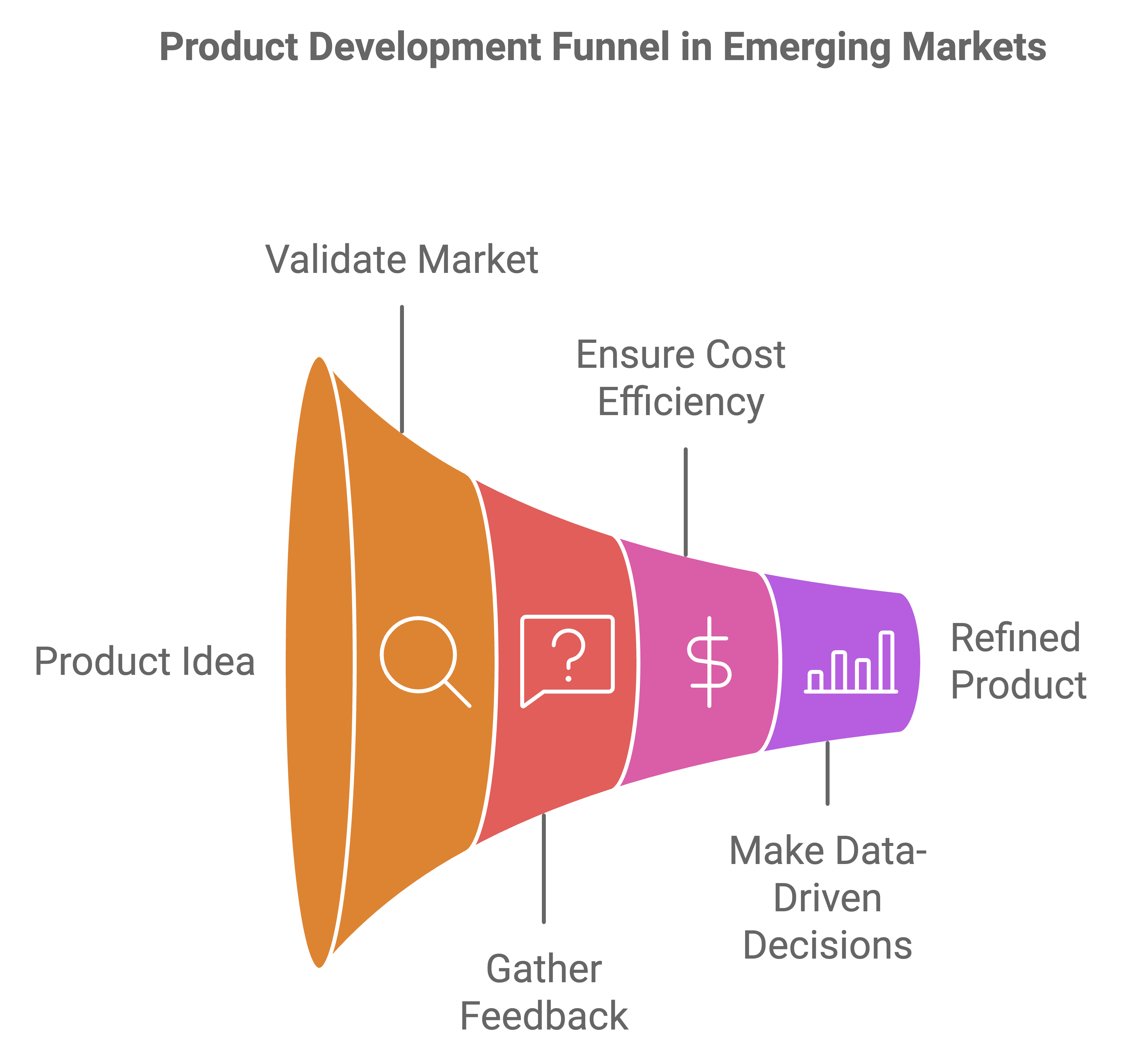
- Validation: Check if your idea’s got a market, using the least resources possible.
- Feedback: Get early adopters’ takes on your product, and tweak it based on what they say.
- Cost Efficiency: Avoid blowing the budget on stuff that might not even matter to customers.
- Data-Driven Decisions: Let user feedback guide your next steps. Know what features hit the mark and what’s missing the target.
| Purpose | Benefit |
|---|---|
| Validation | See if your idea holds water in the market. |
| Feedback | Collect insights from early birds and adjust accordingly. |
| Cost Efficiency | Build only the essentials, saving time and cash initially. |
| Data-Driven | Use real user data to steer your ship in the right direction. |
A slick MVP launch isn’t just about getting a product out there; it’s setting up for a user-focused ride. The goal is to initially tackle a specific problem with enough quality to keep early birds happy, setting up for ongoing improvements based on real user input.
For example, using rapid prototyping tools can get you an MVP almost in no time, letting you dive into the market quick. This first dip is crucial for gathering feedback and making smarter calls for the full-fledged product.
Going the MVP route also gives you an edge with a speedier time to market. This quick launch means rapid user reactions, helping you fine-tune even faster. Tools like no-code and low-code MVP platforms can seriously cut down the time and effort, making it easier for small biz folks to put out their MVPs and start learning.
Look around our other reads on Accelerate Time to Develop an MVP, and MVP Market Validation.
Making MVP Work for Your Small Business
Starting small doesn’t mean thinking small. Creating a Minimum Viable Product (MVP) can be a game-changer for small businesses. Let’s chat through the basics and take a look at some success stories.
Nailing Down Your MVP
Getting your MVP right is about making smart choices. Follow these steps to make sure it’s on point:
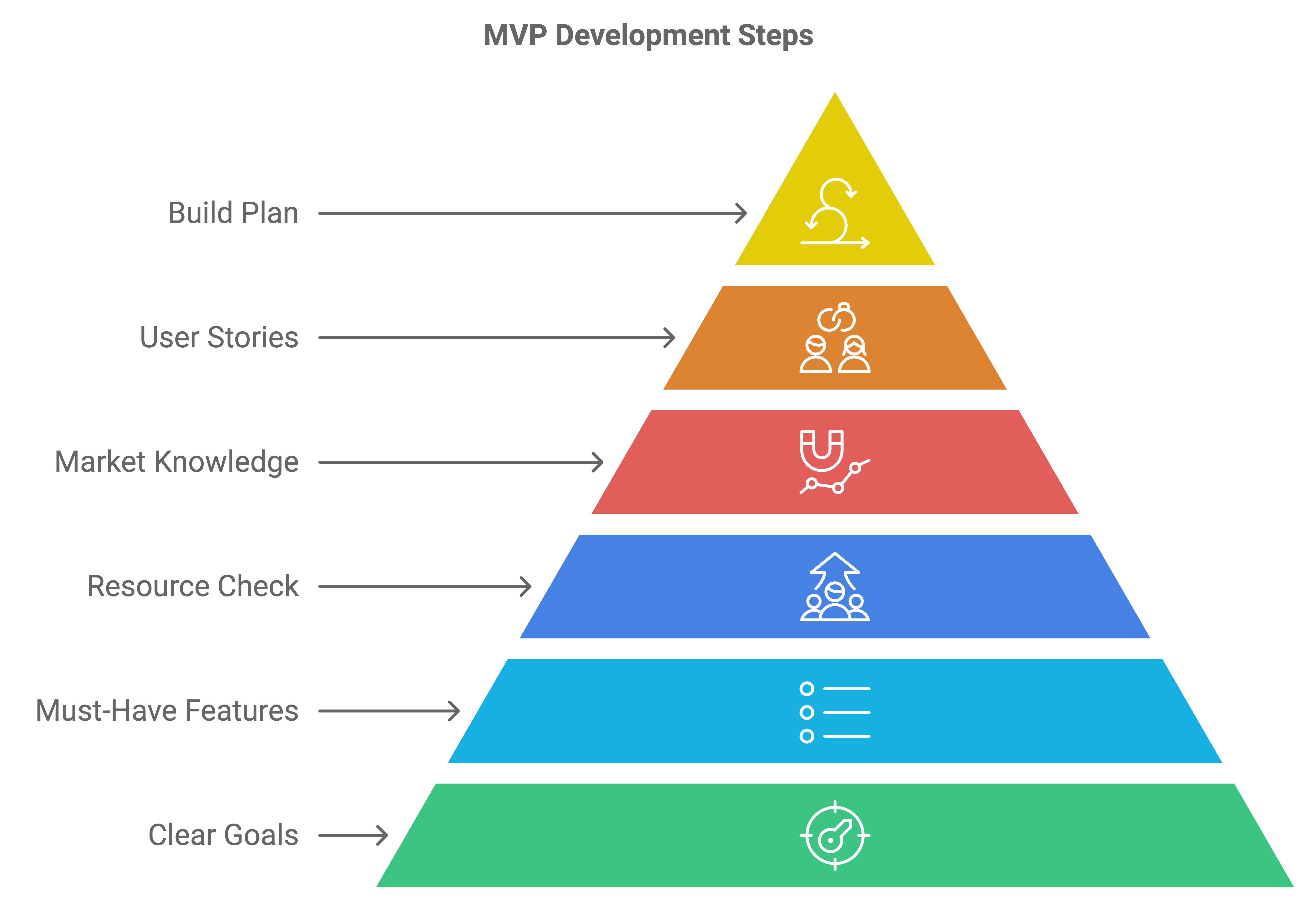
- Set Clear Goals: What’s the big win here? Do you want to make more money, get feedback, or simplify things? Your MVP should tick these boxes.
- Focus on Must-Have Features: What’s essential and what’s extra? Start with the features your users absolutely need. Don’t get fancy just yet.
- Check Your Resources: What’s in your toolkit? Look at your budget, tech stack, and team size.
- Know Your Market: Who are you up against? Do some digging—survey potential users, hold focus groups, and spy on the competition.
- Tell User Stories: How will your users engage? Map out the journey so your MVP hits home.
- Plan the Build: Use Agile or Scrum to keep things moving and get continuous feedback.
| Step | What’s Involved |
|---|---|
| Set Goals | Define success |
| Key Features | Pick essential functions |
| Check Resources | Look at your budget, tech, and team |
| Know the Market | Survey, focus group, analyze competitors |
| User Stories | Define user interaction |
| Plan Build | Use Agile or Scrum |
MVP Success Stories
Loads of big names started with a simple MVP. Here’s how some turned tiny starts into big wins:

- Airbnb: The founders started by renting out their own apartment with a basic website. They got feedback and saw real interest before going big.
- Foursquare: Foursquare kicked off with check-ins and gamification. They listened to users and kept adding more features.
These stories show that starting small and getting feedback can lead to massive growth.
By following the right steps and learning from those who’ve nailed it, small businesses can roll out products that hit the mark and support their goals. Remember, you don’t need to be perfect—just real enough to get the feedback you need.
Useful Resources: