Elevate Your Startup: Your MVP Software Design Advantage
Liam Hayes – Startup Founder – In this article, we will explore the fundamentals of MVP software design to help startup founders like you get a head start.
Sep 5, 2024 | 6 Minute Read
MVP Software Design: The Basics and Beyond
MVP (Minimum Viable Product) software design is your go-to approach if you are a startup itching to put your ideas to test quickly and cheaply. It’s all about getting a product out there with just enough features to make early users happy and gather feedback for the next big step.
Getting Your Feet Wet with MVP
Starting with MVP means building something simple but valuable. Your aim is to whip up a version of your product that deals with the biggest needs of your target audience. This let’s you glean vital info and make smart moves based on real feedback.
| Benefits of MVP Development | Why It Matters |
|---|---|
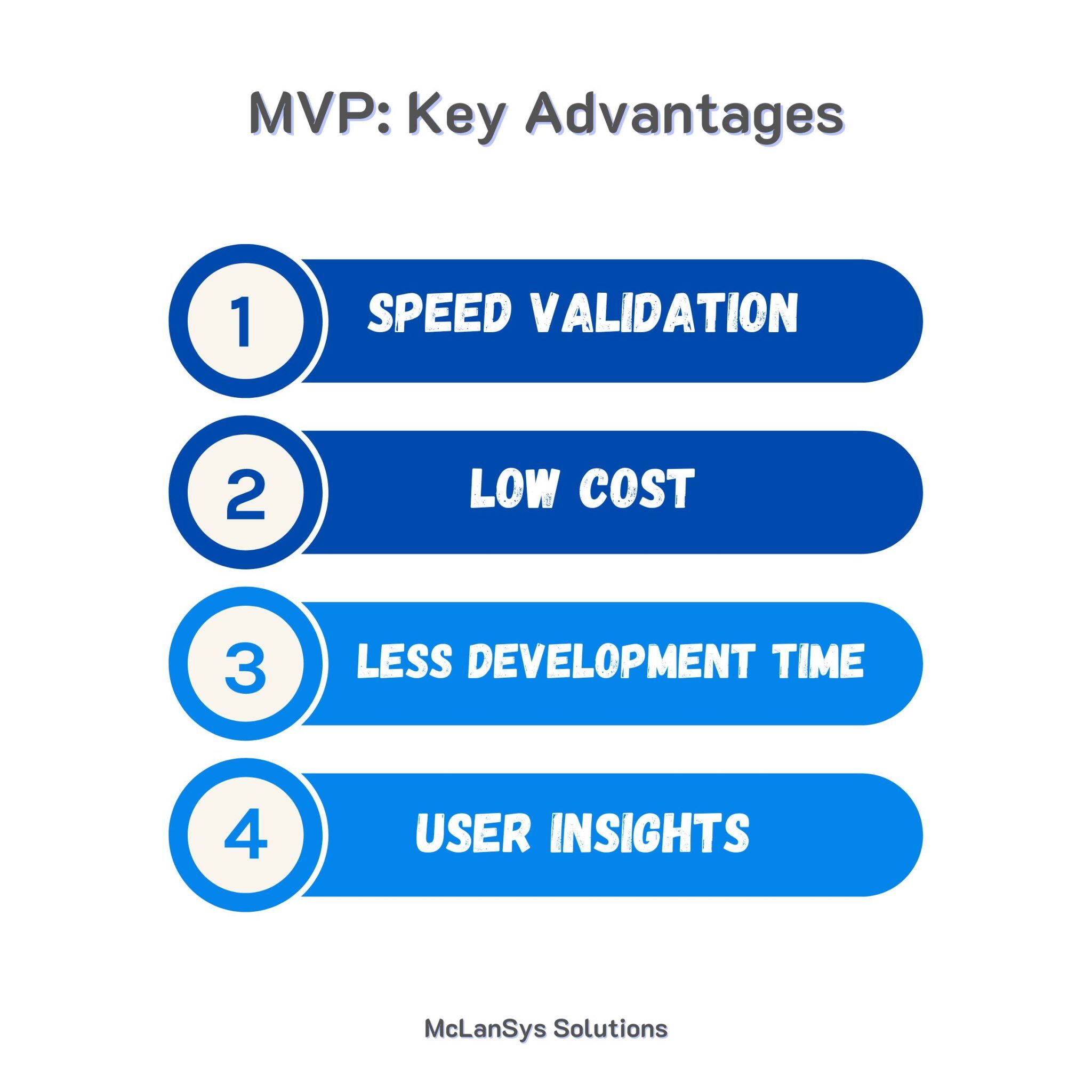
| Speedy Validation | Check if your idea flies in no time. |
| Less Development Time | Get it done faster. |
| Lower Costs | Spend less upfront. |
| User Insights | Learn directly from your users. |
For step-by-step guides, check out our minimum viable product development services.
MVP Strategy: What You Need to Know
Building an MVP isn’t just about coding—it’s about being smart. Here’s the scoop:
- Nail the Core Features: Focus on what is crucial. Include only the bits that solve the main problem your product tackles.
- Know Your Early Birds: Find a specific group of early users who’ll benefit most from your product. Their feedback is gold.
- Iterate Like a Pro: Develop, test, and learn in cycles. Use feedback to shape future updates, making sure your product grows with your users.
- Test the Market Waters: Put your MVP out there and listen hard to what the market says. This tells you if you are on the right track.
- Save Money, Reduce Risks: The MVP way helps you keep costs down and avoid blowing your resources on stuff that might not work.
By sticking with these strategies, startups can speed up their processes, hit the market sooner, and make sure their products click with users. It’s not just about breezing through development; it’s about increasing your shot at success.
Teamwork Makes the Dream Work
Alright, let’s talk about MVP software design. Building a killer MVP starts with a rock-solid team. Imagine being a startup founder in the US. You know that getting everyone on the same page is make-or-break stuff.
Here’s how to get your crew in sync:
- Nail Down Roles: Play to everyone is strength. Know who is doing what.
- Keep Talking: Tools like Slack, Trello, or Asana help keep the convo going.
- Huddle Up: Daily updates and weekly check-ins keep things moving.
- Feedback Culture: Make it easy for folks to share thoughts and ideas.
| Role | What They Do |
|---|---|
| Product Manager | Sets the vision, strategy, priorities |
| Developers | Code, build, bring ideas to life |
| UX/UI Designers | Craft the look and feel |
| Quality Assurance | Test and hunt bugs |
| Marketing | Get the word out, test the market |
User Testing and Feedback
User feedback is your GPS for refining your MVP product. Early user insights are gold. They show you where to tweak and improve, making sure your MVP hits the mark.
Here is your game plan:
- Pick the Right Testers: Find folks who look like your future users.
- Get Feedback: Use surveys, chats, and usability tests to hear what they think.
- Break It Down: Figure out what the feedback is telling you?
- Act on It: Make changes based on what you’ve learned.
| Test Type | Tools | What It’s For |
|---|---|---|
| Surveys | SurveyMonkey, Google Forms | Numbers on user preferences |
| Interviews | Zoom, Skype | Deep insights |
| Usability Testing | UserTesting, Hotjar | Real-time user reactions |
| Beta Testing | TestFlight, Google Play Console | How it works in the wild |
Stay in a loop of continuous improvement. Keep asking for feedback, and keep tweaking. Your users will love you for it.
Bringing together solid teamwork and constant user feedback can turbocharge your MVP. Remember, it’s all about making the MVP a reality with a mix of team spirit and user insights. Stick to this plan, and you’ll be on your way to an awesome product launch.
Spotify’s MVP Experience
Spotify’s rise is another stellar MVP story. They didn’t try to conquer the world overnight. Instead, they tested in a few countries to gauge their streaming services ease of use and song collection. The feedback and data they gathered shaped Spotify into the music streaming leader it is today.
| Milestone | Description |
|---|---|
| First MVP | Limited country launch |
| Key Takeaway | User feedback and data collection |
| Today | Leading music streaming platform |
These stories show that MVPs are more than just a quick start. There are proven ways to gather priceless insights and make smarter decisions.
Greening Up Software: Eco-Friendly Coding Secrets
Who knew developing software could have a green twist. By following a few green chemistry principles, you can churn out software that’s not just efficient but also easier on are planet.
Waste Not, Want Not
First up, the prevention principle. Think of it like cleaning as you go when your cooking: it’s easier to keep things tidy from the start than to deal with a mess later. When you are whipping up a minimum viable product (MVP), you want to zero in on the core features and avoid the extra fluff.
| Thing | What it means |
|---|---|
| Prevention | Stop waste before it starts |
So basically, put your energy into what really counts and ditch the junk.
Making Every Resource Count
Next, let’s talk atom economy, a fancy term coined by Barry Trost. It’s about getting the most out of every resource you use. In the code world, that means writing lean, mean code that does a lot without wasting memory or processing power!
| Idea | What it means | How you do it |
|---|---|---|
| Atom Economy | Use everything without leftovers | Efficient code and design in MVPs |
So, less bloat, more action. Think of it as making a perfect dish where every ingredient shines, and nothing goes to waste.
Safe and Sound Designs
What is good in chemistry is good in coding too. Safer chemical designs focus on materials that don’t harm people or the planet. In software terms, it’s about making user-friendly applications that don’t hog resources or compromise security.
It’s like building a playground that kids can enjoy without getting hurt—simple, safe, and fun.
So, going with these green principles means your MVP won’t just work great now but will be ready for the future too. By sticking to prevention, squeezing out every drop of resource, and keeping things user-friendly and safe, you are setting your product and the planet up for success!