Conquering the Unknown: Insights into Challenges in MVP Development
Liam Hayes– Startup Founder – Before creating your MVP it becomes vital for startup owners to understand the challenges in mvp development down their route.
Sep 13, 2024 | 4 Minute Read
Taming the MVP
Creating an MVP (Minimum Viable Product) is no walk in the park. You, as a business owner, need to steer through some wild and woolly challenges. It’s a make-or-break time for your startup when it comes to MVP development, so let’s cut through the fluff and face those challenges head-on: scope control and syncing expectations.
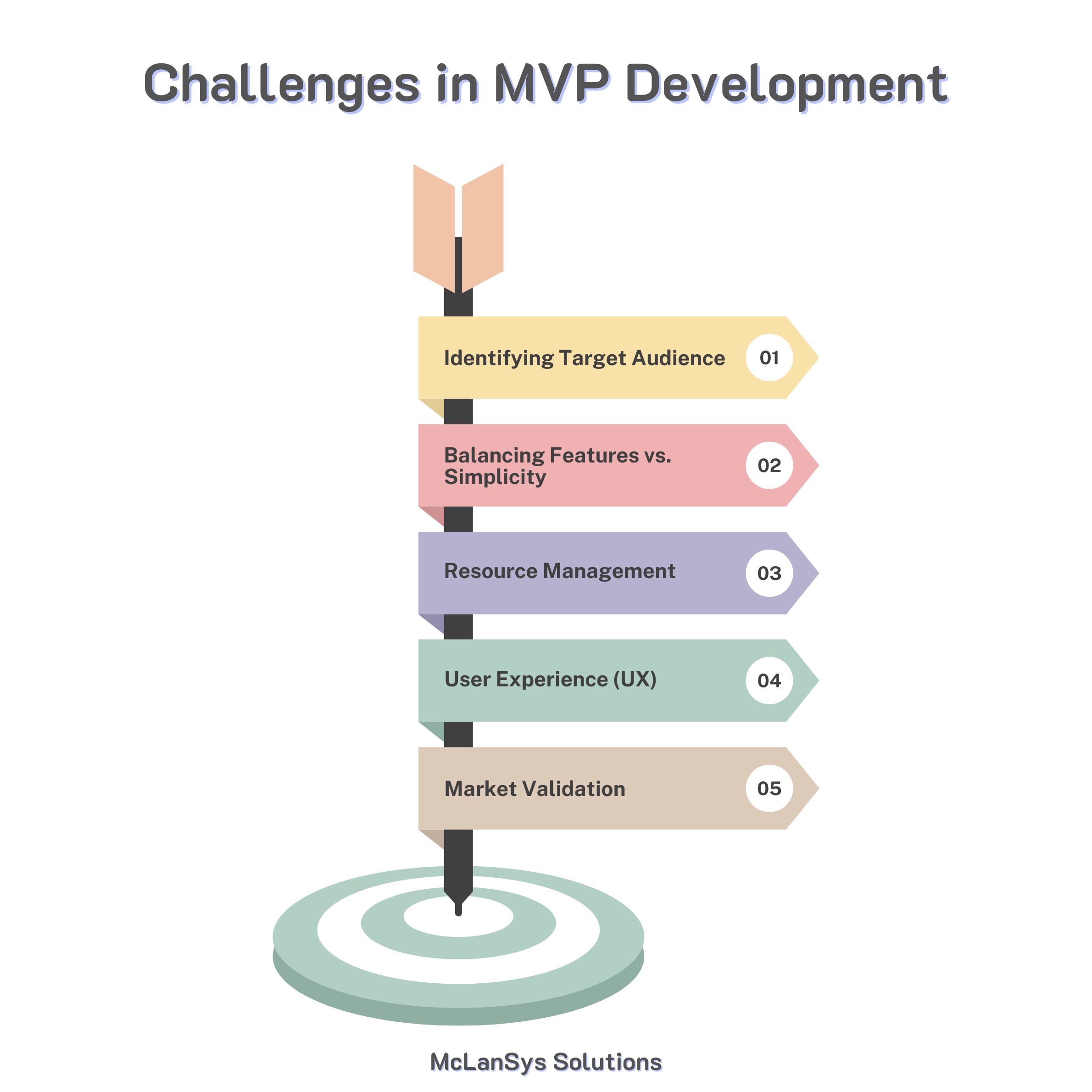
Keeping It Simple, Smart
The MVP should be just that – minimal. Feature creep is like a bad case of hiccups; it just keeps coming back. To keep your MVP on track, focus on a few killer features that show off your products core value.
So here’s the lowdown on handling scope:
| Scope Problems | Fix-It Plan |
|---|---|
| Feature Overload | Stick to core features |
| Missing the Essentials | Nail down value propositions |
| Getting Overly Complicated | Focus on what’s necessary |
When you are mapping out your MVP, think about what’s really gonna matter. What is your big promise? What’s the riskiest thing you are assuming? Get those top features nailed down, and ignore the shiny extras for now. This saves time, money, and stress.
For more juicy tidbits on scope, check our article on lean startup approach for MVPs.
Set Those Expectations Right
Unmet expectations ruin everything – happening to be one of the biggest challenges of MVP development. Listening to your users can prevent these nightmares. Set up a feedback loop, learn from your users what is working and tweak from their feedback.
Unrealistic beliefs can make folks grumpy. Keep everyone – your team, investors, and users – in the loop about what is realistic for an MVP. It’s a tool for learning, not a finished product.
| Expectation Pitfalls | How to Dodge Them |
|---|---|
| Ignoring User Feedback | Create feedback loops |
| Dreaming Too Big | Clarify MVP’s role |
| Bad Communication | Set sensible goals |
Make sure everyone knows what the game plan is. Tell them the MVP is all about learning and iteration, not perfection. Keep the timelines and goals in check to keep the peace.
Wrap Up
By keeping things tight with scope management and setting clear, realistic expectations, you’ll dodge a lot of the common pitfalls in MVP development.
Now roll up your sleeves and let’s get that MVP off the ground!
Strategies for MVP Success
So you are on a mission to nail that MVP (Minimum Viable Product). Let’s dig into some tried-and-true approaches to help make sure your product hits the mark with users. Two biggies: listen to your users and use your resources smartly.
1. User Feedback: Your Secret Sauce
Ignoring what users have to say? That’s a one-way ticket to fail town. Setting up a system to keep tabs on what users think and want is the secret to shaping an MVP that actually resonate. Talk to the folks using your product, and tweak things based on their experiences to keep your project on track (Linkedin).
Here’s your game plan for leveraging user feedback
- Surveys and Interviews: Regular check-ins with your users to see what is on their minds.
- User Behavior Analysis: Use analytics tools to see how people are interacting with your product.
- Incremental Changes: Make small updates based on feedback to keep improving the MVP.
| Feedback Method | How Often | Why |
|---|---|---|
| Surveys | Monthly | Gather wide-ranging opinions |
| Interviews | Quarterly | Deep dive into user experiences |
| Analytics | Ongoing | Keep an eye on user patterns |
2. Smart Resource Allocation
Nailing resource allocation can make or break your MVP. You want to get your MVP out there without breaking the bank or burning out your team. It’s about smartly divvying up money, time, and tech to keep things running smoothly.
Here’s your checklist for resource allocation:
- Budget: Spend wisely on development, marketing, and user support to keep essential areas covered.
- Time: Set realistic timelines and be ready to adjust based on user feedback.
- Technology: Pick tools and platforms that let you build and scale quickly, like rapid prototyping tools for MVP.
| Resource | Strategy | Why It Works |
|---|---|---|
| Budget | Focus on essentials | Keep costs low |
| Time | Set flexible timelines | Hit deadlines |
| Tech | Use efficient tools | Speed up development |
Balancing these resources well can skyrocket your MVPs success.
Master these strategies, and you’ll be well-equipped to tackle the common MVP development challenges many businesses in the U.S face. Listening to what users say and managing your resources smartly will set you up for a smoother ride to a winning MVP.