From Idea to Impact: Navigating Data-Driven MVP Development
Liam Hayes – Startup Founder – Here is an guide for data-driven MVP development.
Sep 20, 2024 | 4 Minute Read
Data-Driven MVP Development
Building an MVP (Minimum Viable Product) based on data isn’t just a strategy—it’s common sense. When you know what customers want, you avoid costly missteps. So, let’s get into the nitty-gritty: the tools for user research and the craft of user personas.
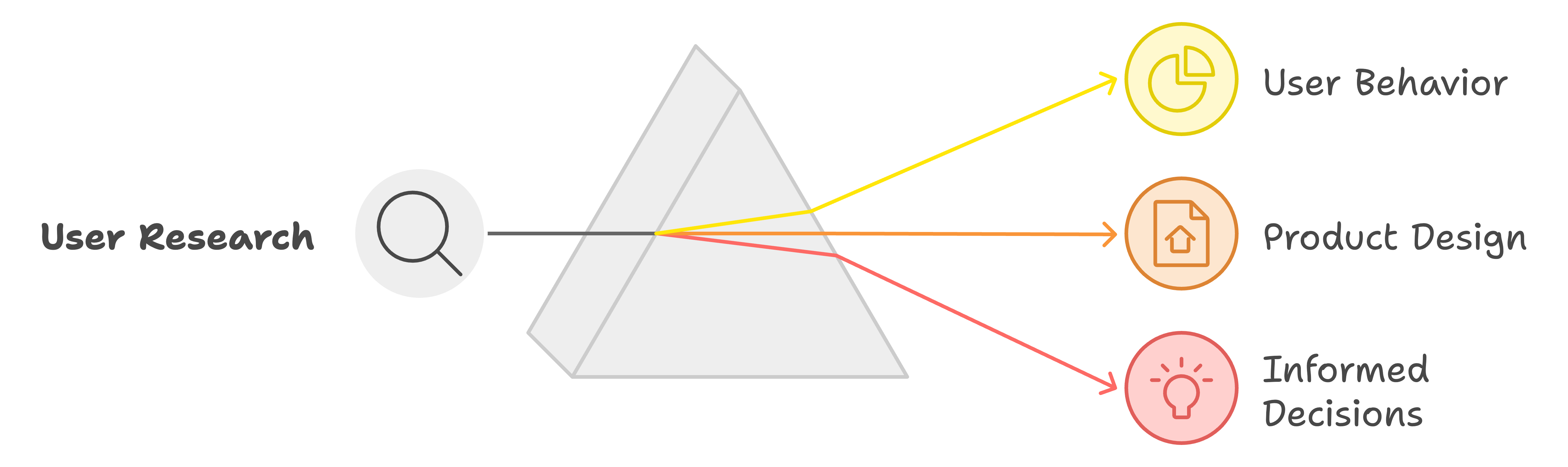
Tools for User Research
User research is your go-to starting point. It’s like trying to build IKEA furniture without the manual—no thanks. You need to know what the market wants, what your competitors are doing, and what your potential users need. Here’s a cheat sheet of must-have tools:
| Tool | What It Does | Key Features |
|---|---|---|
| Google Analytics | Tracks and reports website traffic | User behavior insights, traffic sources |
| SurveyMonkey | Gathers user feedback through online surveys | Customizable templates, analytics |
| Hotjar | Analyzes user behavior and feedback | Heatmaps, session recordings, surveys |
| UserTesting | Collects video feedback straight from real users | Video feedback, usability test |
| Typeform | Makes surveys and quizzes that don’t bore people to death | Interactive forms, easy data collection |
For more cool tools to boost your MVP, swing by Best MVP Development Tools In 2024.
Creating User Personas
Think of user personas like a dating profile but for your ideal customer. You need to know who you’re dealing with—their hopes, dreams, annoyances, and quirks. Once you nail this, shaping your MVP to fit their needs becomes way easier.
Steps to Create User Personas:
- Gather Data: Use tools like Google Analytics, SurveyMonkey, and Hotjar to figure out who’s visiting your site and what they’re doing.
- Find Patterns: Sift through the data for common threads among users.
- Build Personas: Create profiles with details like background, goals, challenges, and habits.
| Persona Name | Demographics | Goals | Pain Points |
|---|---|---|---|
| Techie Tina | Age: 25-35, Location: US | Make tech tasks simpler, stay trendy | Over-complicated UIs, lack of guides |
| Busy Bob | Age: 30-45, Location: US | Be more productive, save precious time | Unreliable apps, frequent tech issues |
| Fitness Fiona | Age: 20-30, Location: US | Stay fit, track workout progress | Inaccurate data, limited app features |
These personas help you understand what your users want, so you’re not just shooting fish in a barrel. For more tips on making killer personas, check out our Top MVP KPIs for Optimal Results.
User research and personas are the backbone of any smart, data-driven MVP. With these tools, you’re armed to make products that not only hit the mark but knock it out of the park. Looking for more wisdom? Browse our articles on Proven MVP Validation Techniques.
Nailing Your MVP: A No-Nonsense Guide
This is your go-to guide, crafted especially for U.S. business owners, on how to ace data-driven MVP development. We’re talking about focusing on what matters—feature prioritization and understanding user behavior. Cut through the fluff—let’s keep it simple and effective.
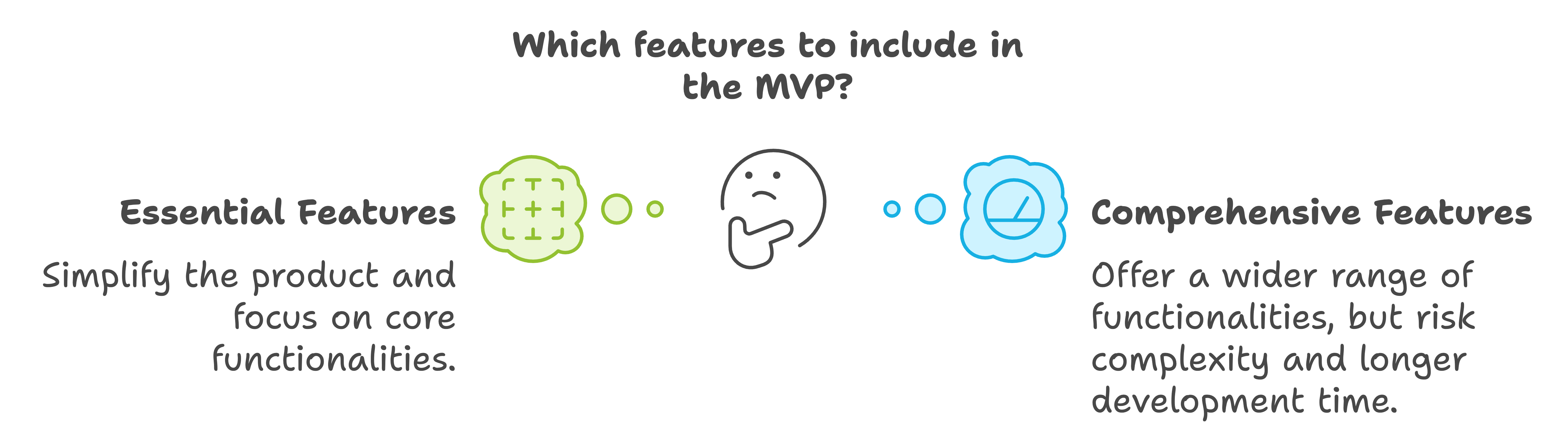
Picking the Right Features
When building an MVP, zeroing in on core features is crucial. We’re talking about the stuff users actually need, not the bells and whistles. Think of it like packing for a trip: prioritize what you absolutely need, and leave the rest behind.
Top Methods to Prioritize Features:
- MoSCoW Method: Break features into Must-haves, Should-haves, Could-haves, and Won’t-haves.
- Kano Model: Gauge user satisfaction with different features.
- RICE Scoring: Evaluate based on Reach, Impact, Confidence, Effort.
These methods keep your MVP development tight, making sure you’re focusing on what users will actually use and love.
| Method | Criteria |
|---|---|
| MoSCoW | Must-have, Should-have, Could-have, Won’t-have |
| Kano Model | Basic needs, Performance needs, Excitement needs |
| RICE | Reach, Impact, Confidence, Effort |
Knowing Your Users
Once your MVP is out there, understanding how users interact with it is key. This involves looking at patterns in user behavior—how they engage, what keeps them coming back, and which features they’re buzzing about. Use tools like A/B testing to get a clear picture of what your users like and don’t like.
Tools to Watch User Behavior:
- Google Analytics: Keeps tabs on user interactions and engagement levels.
- Hotjar: Maps out heatmaps and session recordings.
- Mixpanel: Tracks user flow and retention numbers.
Metrics That Matter:
| Metric | Details |
|---|---|
| Engagement Rate | How active users are with your MVP. |
| Retention Rate | How many users stick around after their first visit. |
| Success Rate | The number of users finishing key actions. |
By focusing on feature prioritization and user behavior analysis, you set a strong base for your data-driven MVP development. These tactics ensure you’re on track to meet user needs and pave the way for future improvements.
Useful Resources: