Achieving Brilliance: Crafting Your MVP for IoT Triumph
Olivia Harris – Startup Founder – As a startup founder, I’ve often been asked about developing an MVP for IoT (Internet of Things) projects.
Sep 23, 2024 | 15 Minute Read
Building Your First IoT MVP
Getting your IoT (Internet of Things) concept off the ground with a Minimum Viable Product (MVP) isn’t rocket science, yet it requires a bit of hustle. The goal is to build a basic yet functional version of your product to snag those valuable first users and their feedback. Here’s a step-by-step guide:
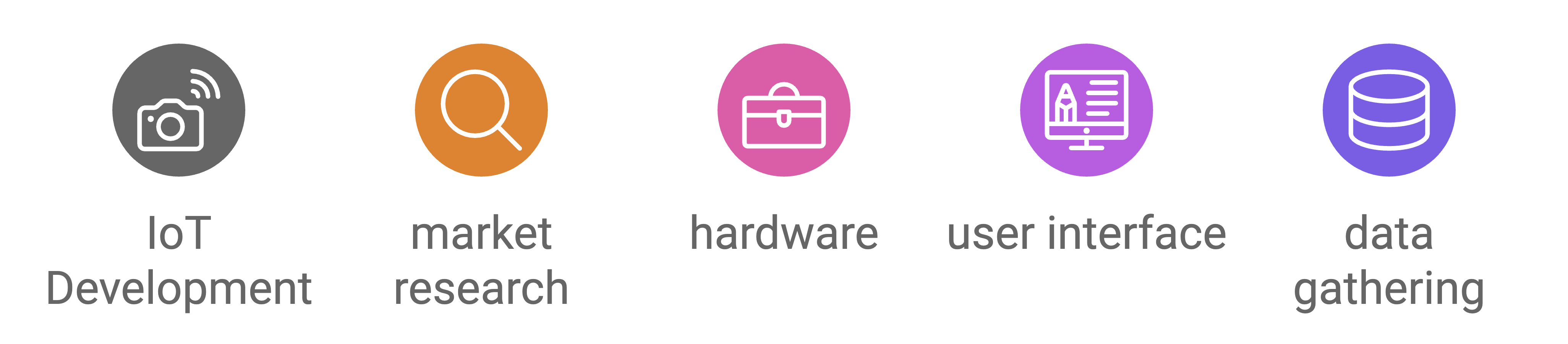
1. Nailing Down the Idea and Goals
- Figure out the main issue your IoT gadget will solve.
- Set clear, achievable goals for your MVP.
- Determine what success looks like and pick metrics to measure it.
2. Digging Into Market Research
- Dive deep into understanding your target users and their struggles.
- Scope out the competition and spot the gaps you can fill.
- Use all this to fine-tune your MVP idea.
- Peek at market validation for MVPs for more on this.
3. Picking IoT Components
- Select the right hardware like sensors and communication modules.
- Make sure they play nice together and don’t break the bank.
- Get a hardware guru to give you some pointers.
4. Designing and Building Hardware
- Sketch out your IoT device’s design.
- Work closely with hardware and software teams for a smooth build.
- Prototype quickly to test the waters.
5. Crafting the User Interface and Software
- Design a user-friendly interface.
- Develop the software focusing on must-have features.
- Keep a steady flow of feedback from everyone involved.
6. Data Gathering
- Set up ways to track how users utilize your device.
- Make sure this data is secure and private.
- Use this information to tweak and improve your product.
7. Testing and Tweaking
- Put your MVP through the wringer with rigorous testing.
- Run beta tests with actual users.
- Listen, learn, and make the necessary adjustments.
- Discover MVP testing strategies.
8. Rolling Out the MVP
- Launch your MVP to a select group.
- Be ready to offer top-notch support for any hiccups.
- Keep an eye on performance to ensure everything’s running smoothly.
9. Ongoing Monitoring and Upgrades
- Continuously track how well the MVP is performing.
- Roll out updates and improvements based on real-world usage.
- Plan the evolution of your MVP into a fully-fledged product.
Stick to these steps, and you’ll be on your way to creating an IoT MVP that hits the mark. With tools like MVP development tools and cloud services for MVP, the journey’s a bit smoother. Remember, truly knowing your user and what they need is the secret sauce to a winning MVP. Check out Best MVP Development Tools in 2024
What’s Involved and What’s It Gonna Cost?
Building your first MVP (Minimum Viable Product) for IoT (Internet of Things) is both an exciting and challenging adventure. Knowing the key components and their costs can save you a boatload of headaches. Let’s break down the essential bits and pieces you’ll need—both hardware and software—and what kind of cash you’re looking at.
The Hardware Lowdown
Picking the right hardware can make or break your MVP. These gadgets and gizmos are the lifeline of your IoT device, so choose wisely.
Must-Have Hardware:
- Brain (Microcontroller/Processor): This little guy is the mastermind, handling all the data crunching and chit-chat with other devices.
- Connector Magic (Connectivity Module): Keeps your device online via Wi-Fi, Bluetooth, or cellular networks. Imagine your device as a young adult living off your Wi-Fi.
- Snoopers (Sensors): Gathers intel from the surroundings, like temperature, humidity, or motion. Think of them as the Sherlock Holmes of your device.
- Juice (Power Supply/Battery): Keeps everything running smoothly. You don’t want your device to conk out on you.
- Body Armour (Enclosure/Casing): Shields the delicate innards from nasty external forces like dust and moisture.
Software You Can’t Skip
Hardware without software is like a burger without the patty—it just doesn’t work. The software you choose will heavily influence how well your device performs.
Essential Software:
- Playground (IoT Development Board/Kit): Where all the magic happens, gives you a platform to tinker and test your IoT applications.
- Coding Arsenal (Software Development Tools): Includes IDEs, libraries, and frameworks—your best friends for writing and debugging code.
- The Cloud (Cloud Platforms): Acts like your device’s memory bank and brainpower, perfect for storing and processing tons of data.
By getting a handle on these hardware and software essentials and budgeting accordingly, you’ll be well on your way to crafting a rock-solid IoT (Internet of Things) MVP. This knowledge is especially helpful if you’re diving into specific industries like healthcare startups or new tech like AI and machine learning.
So there you have it—your crash course in IoT MVP essentials. Use this info wisely, and may your IoT dreams become a reality!
Why Market Research Matters
Market research is the secret sauce in crafting a winning IoT MVP. It helps you nail down what’s cool, what’s needed, and what’s likely to get folks talking about your product.
Check What People Want
Building an MVP for IoT gadgets isn’t just about the tech; it’s about making sure it’s something people actually want. So, how do you do that? Start by talking to the people who’ll use it. Do some surveys, chat with potential users, and find out what drives them nuts. These little chats can highlight what your MVP should solve.
Competitor stalking—erm, we mean analysis—can show what’s been a hit or a miss for others. Learn from their playbook to skip the bumps they’ve hit.
| Activity | Why Do It | What You Get |
|---|---|---|
| Surveys & Interviews | Understand user needs | Pinpoint problems |
| Competitor Analysis | Learn from others | Spot winning strategies |
| Trend Watching | Stay current | Keep up with the latest |
Doing your homework upfront reduces the risks and helps your IoT MVP strike a chord with users.
Designing the MVP Blueprint
Getting your MVP’s structure right means picking the right pieces and setting up a solid backbone. You need to map out both the hardware and software, including sensors, modules, cloud services, databases, and APIs.
When you’re selecting hardware, think about whether it’ll play nice with other parts, if it can grow with you, and how much it’s going to set you back. For software, look for dependable cloud platforms and APIs that fit like a glove with your IoT setup.
| Type | Examples | What to Think About |
|---|---|---|
| Hardware | Sensors, Modules, Actuators | Compatibility, Scaling, Cost |
| Software | Cloud Services, Databases, APIs | Reliability, Integration |
Planning smartly means your IoT MVP can stand tall and evolve over time. For extra tips on making hardware choices, hop over to our approaches to hardware design.
To wrap it up, serious market research and sharp planning of your MVP architecture are no-brainers. They help make sure your IoT MVP hits the bullseye with users and is built on rock-solid ground.
Building Your Hardware: Tackling the Basics
So, you’re diving into the hardware world for your IoT MVP? Great! You’ve got two main routes to think about: grabbing pre-made parts off the shelf or crafting things from scratch, either in-house or with a buddy. Let’s break it down:
- Pre-Made Parts: These are your quick wins – sensors, modules, and bits that you can buy and slap together. They’re cheap, fast, and perfect for rapid prototyping. Think IKEA but for electronics.
- Homegrown Parts: This means designing and building your hardware from the ground up either yourself or working closely with a manufacturing partner. It’s like cooking from scratch vs. microwaving a TV dinner. More effort, but boy, can you taste the difference when it’s done right.
| Approach | Pros | Cons |
|---|---|---|
| Pre-Made Parts | Quick setup, Cheaper, Fast iteration | Limits on tweaks, Might not fit just right |
| DIY or Partner-Made | Fully customizable, Owns the design, Standout product | Pricy upfront, Time consuming |
Putting IoT Pieces Together
Once you’ve got your parts, it’s time to make them dance harmoniously. Here’s how:
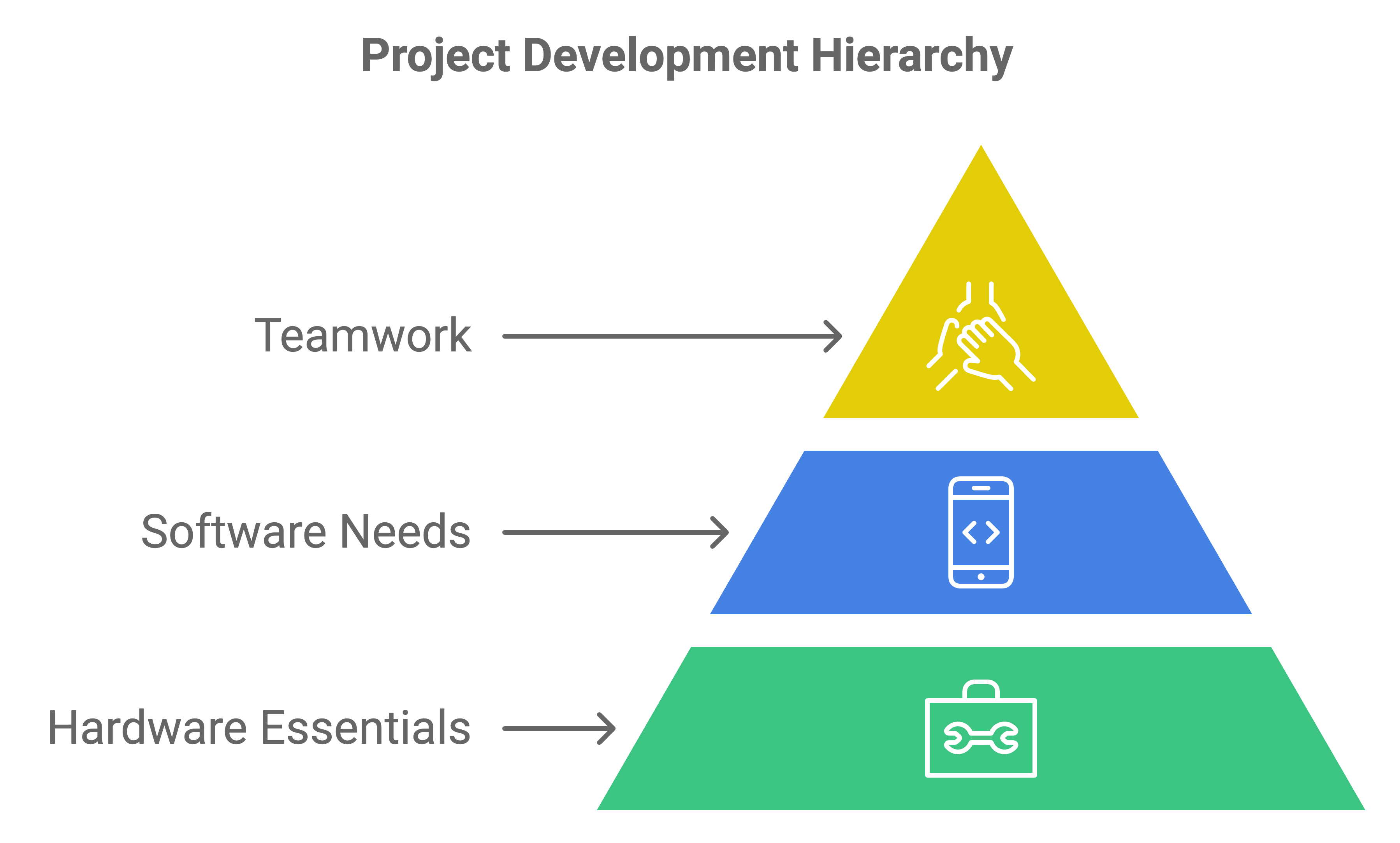
- Hardware Essentials: Pick out the best sensors and modules. These are your MVPs, collecting and interacting with data. Tools like 3D printers or laser cutters can speed things up and help you tinker without too much fuss.
- Software Needs: You’ll need to link your snazzy hardware to cloud services and databases that make sense of all that juicy data. Strong teamwork here is key – hardware and software needs to be in sync like a well-choreographed dance.
- Teamwork Makes the Dream Work: Keeping everyone on the same page is crucial. Regular check-ins and using sim tools to test unfinished setups can save you a headache (or ten). Running a tight ship ensures your MVP rolls out smoothly.
Putting together IoT hardware is like piecing together a puzzle. Stay flexible, collaborate tightly, and keep your eyes on what the users need. Boom – you’re on your way to a winning MVP.
User Interface and Software Development
Creating a user-friendly interface and reliable software is key for a top-notch IoT-enabled MVP. These aspects make sure users interact easily and the software runs smoothly, leading to a great user experience.
Using Feedback From Users
Gathering input from users is super important in building an MVP. It helps you see what real users think, so you can shape the product better. You can get this feedback through surveys, in-app questions, or chatting directly with users. Collecting feedback helps spot problems, usability issues, or missing features early on. This tweaks the product to truly fit what users want.
To gather feedback, you need specific tools like user tracking software, analytics, and platforms that monitor how users interact with your product. This cycle of feedback and updates keeps improving the MVP to meet user needs better and better.
| How to Collect Feedback | What Is It? |
|---|---|
| Surveys | Lists of questions to understand users’ thoughts and experiences. |
| In-App Prompts | Pop-up questions or requests for feedback within the app. |
| User Interviews | Detailed one-on-one conversations to gain deep insights. |
Testing With Beta Users
Getting a bunch of beta users to test your MVP is crucial. Beta testing means letting a small group outside your team use the product in real life. This helps gather useful info, find bugs, and refine the product before everyone else gets their hands on it.
Beta users focus on how they use the product, how it works, and how happy they are with it. The feedback from this stage is critical for tweaking the product to be its best before a wider launch. Beta tests can be closed (only a few selected users) or open (available to a larger group).
Mixing user feedback and beta testing into your MVP process leads to a more polished, market-ready IoT product. These steps ensure the product meets users’ needs and works well, boosting its chances of success.
By putting these strategies at the heart of MVP development for IoT, startups set themselves up for creating a user-focused, competitive product that meets real-world needs.
Making Your MVP Shine in IoT Projects
Creating an MVP (Minimum Viable Product) can be a rollercoaster. If you’re diving into the world of IoT, you’ve got to nail it from the get-go. The secret sauce? Set clear goals and stay on top of performance and user feedback. This way, your MVP doesn’t just hit the mark at the launch but keeps getting better based on what users want and need.

Setting Clear MVP Goals
First things first: you need a roadmap. Your goals act like the GPS, leading from the first idea to the final launch. These goals should zoom in on the must-have features that matter most to your users while keeping an eye on the budget.
Punch List for Clear Goals:
- User Needs: Figure out what your audience is hungry for. Do your homework with some market research to tweak your MVP to fit those needs.
- Core Features: Stick to the basics. Tackle the main problem your users face. This way, your MVP is simple, easy to manage, and doesn’t burn a hole in your pocket.
- Success Metrics: Decide what success looks like. Is it user engagement? Retention rates? Some key performance indicators (KPIs) will guide you.
| Goal | KPI | What It Says |
|---|---|---|
| User Engagement | DAU (Daily Active Users) | How often folks are using the app daily |
| Retention Rate | % of users sticking around after 30 days | Shows who’s in it for the long haul |
| Feature Utilization | % of users enjoying core features | Confirms the main features are a hit |
I like to take a step back every now and then to see if my goals are still on track. Adjust based on user feedback and make sure they match your business and user needs.
Keeping an Eye on Performance and User Feedback
Once your MVP is out there, don’t slack off. The real work begins: monitor performance like a hawk. Keeping tabs on key metrics and listening to your users helps fine-tune updates and improvements.
Ways to Track Performance:
- Analytics Tools: Use platforms like Google Analytics to see how users interact with your MVP. Spot the hits and misses.
- User Surveys and Feedback Forms: Just ask! Run surveys and feedback forms to get the lowdown directly from users. This gives you the story behind the numbers.
- Beta Testing: Get a sneak peek from a select group of users. They can spot bugs and give real-time feedback before you go wide.
| Metric | Tool | What It Does |
|---|---|---|
| User Engagement | Google Analytics | Track interactions and sessions |
| Feature Use | Mixpanel | See which features are hot or not |
| User Feedback | SurveyMonkey | Gather user opinions and suggestions |
Pulling these methods together gives a full picture of how your MVP is doing in the wild. Feedback loops are gold; they refine your product and keep it on the user’s pulse.
In a nutshell, the combo of clear goals and a hawk-eye on performance is your ticket to a winning MVP in IoT projects. Not only does it streamline your build, but it also ensures ongoing tweaks make your product a perfect match for what the market and users crave.
Minimum_Viable_Product_App_Guide_PreviewUseful Resources:
Building an IoT Mobile App MVP Utilizing Bluetooth: A Comprehensive Guide
FAQs
What is MVP in web technology?
In web technology, an MVP (Minimum Viable Product) refers to the simplest form of a website or web application that includes only the essential features necessary to satisfy early adopters and solve the core problem for its target audience. The primary goal of an MVP in web development is to launch quickly with minimal features to test product hypotheses with real users, gather feedback, and iterate based on that feedback. This approach helps developers and companies avoid building products that do not meet user needs while minimizing the initial development costs and time. Check out How To Transition from MVP to Full Product
What is the IoT vision in the Internet of Things?
The IoT vision in the Internet of Things is to create a fully connected world where everyday physical objects are embedded with sensors, software, and other technologies to connect and exchange data with other devices and systems over the Internet. This vision encompasses a broad range of applications, from smart home devices that improve energy efficiency and security to industrial IoT (IIoT), which optimizes manufacturing processes and supply chain logistics. The ultimate goal is to enhance operational efficiency, improve human health and safety, and increase environmental sustainability through smart, data-driven systems.
What is MVP in digital products?
In digital products, an MVP (Minimum Viable Product) is the most basic version of a product that is released to the market with enough features to attract early adopters and validate a product idea early in the product development cycle. This concept is crucial in digital product strategy as it allows product teams to learn about their users’ behaviors and preferences with minimal resources. The insights gained from an MVP are used to make informed decisions about how to develop the product further, ensuring that development efforts are aligned with what users actually want and need.
What business value does IoT Internet of Things create?
The Internet of Things (IoT) creates significant business value by enabling companies to monitor, control, and optimize various business processes, enhance productivity and efficiency, reduce operational costs, and improve customer experiences. Specific benefits include:
- Increased Operational Efficiency: IoT devices can automate routine tasks and processes, reducing the need for manual labor and minimizing human error.
- Enhanced Data Collection: IoT devices collect vast amounts of data in real-time, providing businesses with deeper insights into their operations, customer behavior, and market trends.
- Improved Asset Utilization: IoT can help track assets in real-time, improving the utilization of equipment and reducing the likelihood of lost or stolen assets.
- Proactive Maintenance: IoT devices can predict when machines or equipment are likely to fail, allowing for maintenance to be performed just in time to prevent downtime.
- Enhanced Safety and Security: IoT applications can monitor workplace environments and secure physical assets, significantly improving safety and security.
- Better Customer Experiences: IoT enables more personalized customer interactions and can lead to improved customer satisfaction and loyalty.