How to Hire MVP Developer for Startups to Fuel Long-Term Growth
Liam Hayes– Startup Founder – In this article, I will discuss the importance of developing an MVP for startup companies and why MVP plays a crucial role for your Startup.
May 30, 2025 | 7 Minute Read
Cracking the MVP Code: A Game-Changer
Jumping into the startup scene with an MVP (Minimum Viable Product) can shoot your entrepreneurial dreams sky-high. Here’s a closer look at the MVPs origins and why it’s a big deal for startups.
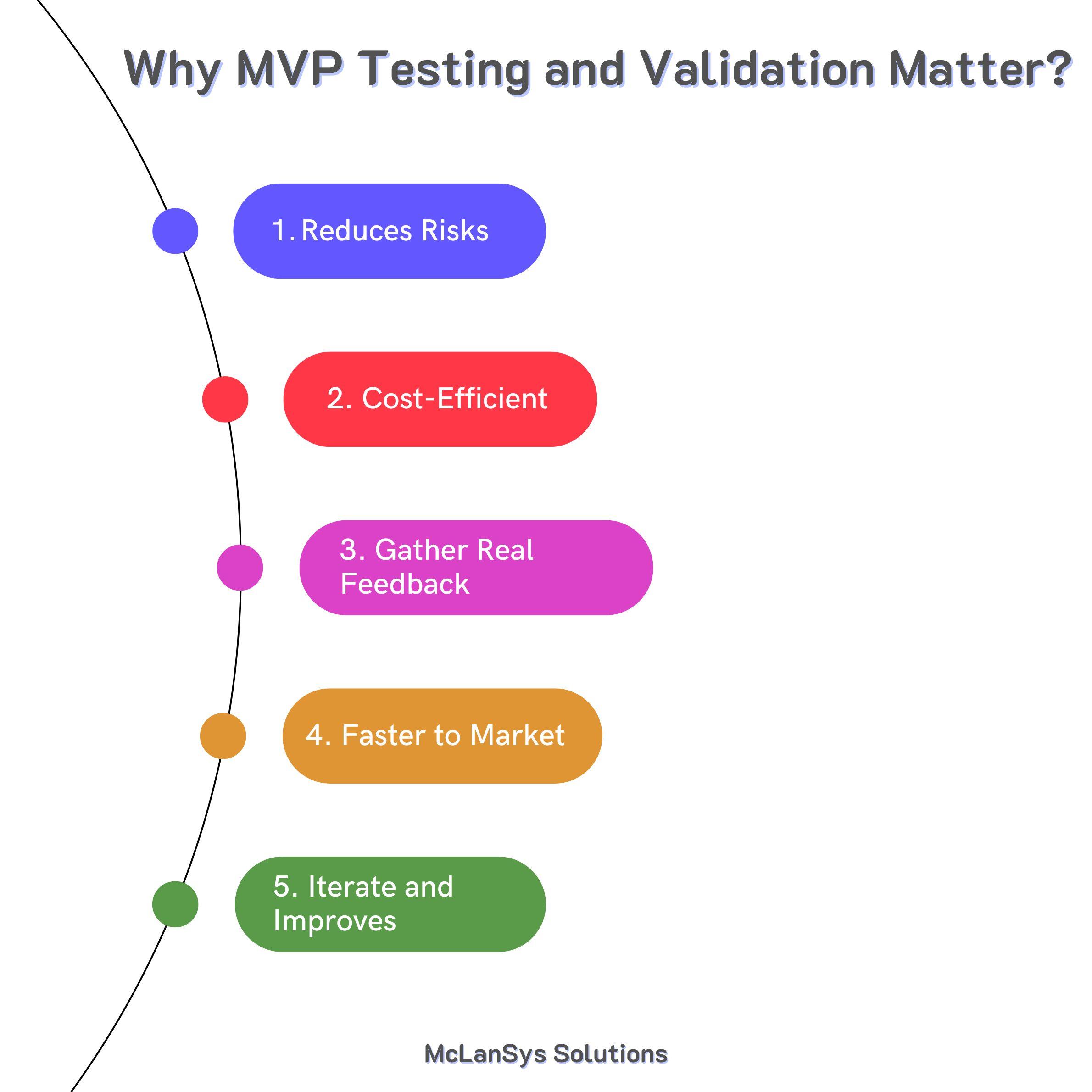
MVPs: The Startup Life Savers
Startups love MVPs because they let you test drive ideas in the real world without blowing your budget. You launch with the must-have features, check if people actually like what you are offering, and avoid sinking time and cash into a potential flop.
From my hands-on experience, the main goal of an MVP is insight. You get to validate your assumptions and see if your business model holds water. The Lean Startup Methodology, is all about learning and growing and revolves around this concept (Forbes).
Here’s a peek at how MVPs have been faring in startups over recent years:
| Year | Success Rate (%) |
|---|---|
| 2018 | 55 |
| 2019 | 60 |
| 2020 | 65 |
| 2021 | 70 |
| 2022 | 75 |
By honing in on what your audience really wants, you can carve out a solid spot in the market. This strategy not only cuts down on the risk but also fosters big-time innovation.
If you’re ready to dive deeper into MVP development, check out our minimum viable product template and minimum viable product development services.
Making Your MVP Rock
So, you want your Minimum Viable Product (MVP) to kick serious? You’ve come to the right place! When talking about the nuts and bolts of zeroing in on the best features, types of MVPs you can whip up, and real-life examples that’ll make you go “aha!”.
1. What Really Matters First: Features!
Picking the right features is where the magic happens. It’s all about nailing which goodies to show off so your MVP stands out and screams value. Here’s the lowdown on how to make those calls:
- Feature Priority Matrix
- Feature Buckets
- MosCoW Matrix
- Kano Model
- Relative Weighting
Each of these has its own flavor. Think of them as different pizza toppings—each adds its twist but they all make the pie taste great.
| Method | What It Does |
|---|---|
| Feature Priority Matrix | Sorts features by importance and how soon you need ’em. |
| Feature Buckets | Divides features into “must-have,” “nice-to-have,” and so on. |
| MosCoW Matrix | Breaks down into Must, Should, Could, and Won’t have. |
| Kano Model | Sizes up features by user happiness. |
| Relative Weighting | Weighs features based on stuff like value and effort. |
2. Flavors of MVPs: Pick Your Style
Every startup has a different mision, and guess what? The MVP you run with needs to fit you like a glove. Here’s a menu of common MVP types:
- Concierge MVP
- Wizard of Oz MVP
- Landing Page MVP
- Email MVP
- Piecemeal MVP
- Single-feature MVP
Each serves a purpose. Take the Concierge MVP—it’s like a hands-on, personalized service before you automate anything. Or the Wizard of Oz MV, which looks slick on the outside but is held together with duct tape and good vibes behind the scenes.
| Type of MVP | What It Does |
|---|---|
| Concierge MVP | Manually delivers service to gauge value. |
| Wizard of Oz MVP | Seamless user experience, lots of behind-the-scenes work. |
| Landing Page MVP | Simple webpage to test interest. |
| Email MVP | Tests concepts with targeted emails. |
| Piecemeal MVP | Uses existing tools to create a franken-product. |
| Single-feature MVP | Zeroes in on one killer feature. |
Examples of MVP Heroes
Some of your favorite big shots started off with humble MVPs. Here’s the hall of fame:
- Amazon – Just sold books online at the start.
- Dropbox – Kicked off with a demo video.
- Airbnb – Began with a basic website for home-sharing.
- Facebook – Launched as a college social hub.
- Instagram – Debuted as a simple photo app.
| Startup | What They Started With |
|---|---|
| Amazon | Selling books |
| Dropbox | Demo video |
| Airbnb | Basic website |
| College social network | |
| Photo app with filters |
Get more inspired by these MVP legends.
To wrap it up, by focusing on the right features, choosing the MVP type that fits your mission, and learning from the greats, you’ll be poised to rock the startup scene. Need more help? Dive into our MVP development services. Let’s make your idea the next big thing!
Building Your MVP: A No-Nonsense Guide
Creating a startup MVP ain’t rocket science, but it can feel like it. Let’s break it down: We’ll cover essential steps, testing methods, and performance metrics that actually matter.
Key Steps in MVP Development
Crafting your Minimum Viable Product (MVP) means getting the essentials right without drowning in the details.
- Identify the Problem: Pinpoint the problem you want to solve.
- Know Your Audience: Figure out who needs what you are offering.
- Core Features: Pick the 2-3 crucial features for your MVP.
Here’s a quick look
| Stage | What’s Involved |
|---|---|
| Identify the Problem | Target the primary issue your MVP will tackle. |
| Know Your Audience | Understand who will benefit from your solution. |
| Core Features | Choose the must-have features for your MVP. |
MVP Testing and Validation
Time to see if your MVP can walk:
- Make a Prototype: Sketch out a visual mockup to save time and effort later on—skip this and risk a flop like Apple’s Lisa.
- Collect Feedback: Get opinions from early users and tweek your product accordingly.
- Iterate: Adjust based on what users say and how they interact with your MVP.
Gauging MVP Success
So, how do you know if your MVP hits the mark? Track these key metrics:
| Metric | What it Tells You |
|---|---|
| Word of Mouth | Organic buzz and referrals. |
| User Engagement | How people are using your MVP. |
| Sign-ups | New user registrations. |
| Feedback and Reviews | Direct words from the users. |
| Customer Acquisition Cost (CAC) | Expense to snag a new customer. |
| Paying Users | Free-to-paid conversions. |
| Customer Lifetime Value (CLV) | Revenue from a single customer over time. |
These KPIs show interest and potential longevity for your product.
Final Tip: MVP ain’t the final product; it’s the first step. Keep refining based on real-world user’s feedback. Now, get cracking!
Key Considerations for MVP
When kicking off your startup MVP development, you’ve got a few big things to keep in mind. Let’s break down the essentials: figuring out the problem, finding your target market, and nailing down the feature set.
1. Problem Definition
First things first, you got to define the problem your MVP is going to solve. What’s bugging people? What hassel are you fixing? Pin this down, and you’re halfway there. Make sure you and your team stay laser-focused on this issue, so you don’t end up with a bloated product full of unnecessary bells and whistles. Keep the team in the loop to ensure everyone is on the same page.
2. Target Market Identification
Next up is knowing who you are building this thing for. Dive into some research – who are these people? what do they want? and how do they behave? Understanding your target market means you can mold the MVP to fit their needs, boosting your success rate. Plus, these early adopters are gold mines for feedback, so you know what to improve next.
3. Feature Set Determination
Now, let’s get to the nitty-gritty – figuring out which features to include. Focus on the must-haves that truly solve the problem. Keep it lean to save time and money. You don’t need everything under the sun – just what makes your MVP useful and functional.
A slim feature set keeps your MVP straightforward and on-point. To get it right, prioritize the essentials and avoid drowning in complexity.
Here’s a quick rundown of what to consider:
| Consideration | Importance Level | Description |
|---|---|---|
| Solves Core Problem | High | Tackles the main issue head-on |
| Adds User Value | High | Brings real benefits to users |
| Development Time | Medium | Can be built in a reasonable timeframe |
| Cost Implications | Medium | Keeps expenses in check |
| User Feedback | High | Based on what early users actually want |
Getting these considerations right can set you on the path to a successful MVP development process, leading to future iterations based on solid user feedback.
FAQs
1. What is an MVP for a startup?
An MVP (Minimum Viable Product) is the simplest version of a product that allows a startup to test its concept in the market. It includes only the core features necessary to solve a specific problem and gather feedback from early adopters, helping the startup validate it’s idea before committing significant resources. Learn more about the concept in “Elevate Your Startup: How an MVP Can Propel You Forward“.
2. What is an example of an MVP?
A well-known example of an MVP is Dropbox. Instead of building a fully functioning cloud storage system from scratch, Dropbox launched with a simple explainer video that demonstrated how the product would work. This MVP helped them gauge interest and gather feedback before building the full product. Check out “Breakthrough: Leading Your Way to MVP Software Development Success“ for more inspiring stories.
3. What is the difference between MVP and Lean Startup?
An MVP is a product development strategy that focuses on building a product with minimal features to validate an idea. On the other hand, a Lean Startup is a broader methodology that emphasizes testing and iterating on ideas in rapid cycles. The MVP is a key component of the Lean Startup approach, but the Lean Startup methodology involves more aspects such as customer discovery, feedback loop, and business model testing. Read “Empower Your Startup Development with MVP Lean Strategies“.
4. What comes after MVP in startup?
After launching the MVP and gathering user feedback, the next steps for a startup typically involve iterating and improving the product based on insights. If the MVP has gained traction and achieved product-market fit, startups can then focus on scaling, adding more features, expanding their user base, and refining their business model.
5. What should be included in MVP?
An MVP should include the core features that address the main problem your target users face. It should be simple, funcional, and able to deliver value while also allowing you to gather feedback. Avoid adding unnecessary features or complex designs at this stage.
6. How to write an MVP statement?
An MVP statement clearly define the problem you are solving, your target audience, and the core features of the product. It should be concise, outlining how the MVP will validate your idea and gather feedback to inform future iterations. Check out are guide on “How MVP Agile Development Transformed My Startup: A Personal Account 2024“.