How to Hire MVP Developer for Startups: Your Ultimate Blueprint
Liam Hayes– Startup Founder – In today’s competitive market, mvp startups have a unique strategy to ensure success.
May 30, 2025 | 7 Minute Read
Ever thought about launching a new product without risking your life’s savings? That’s where an MVP, or minimum viable product, come in. It’s like dipping your toes in the pool before making an big splash. Let’s break down why starting with an MVP can be your best bet.
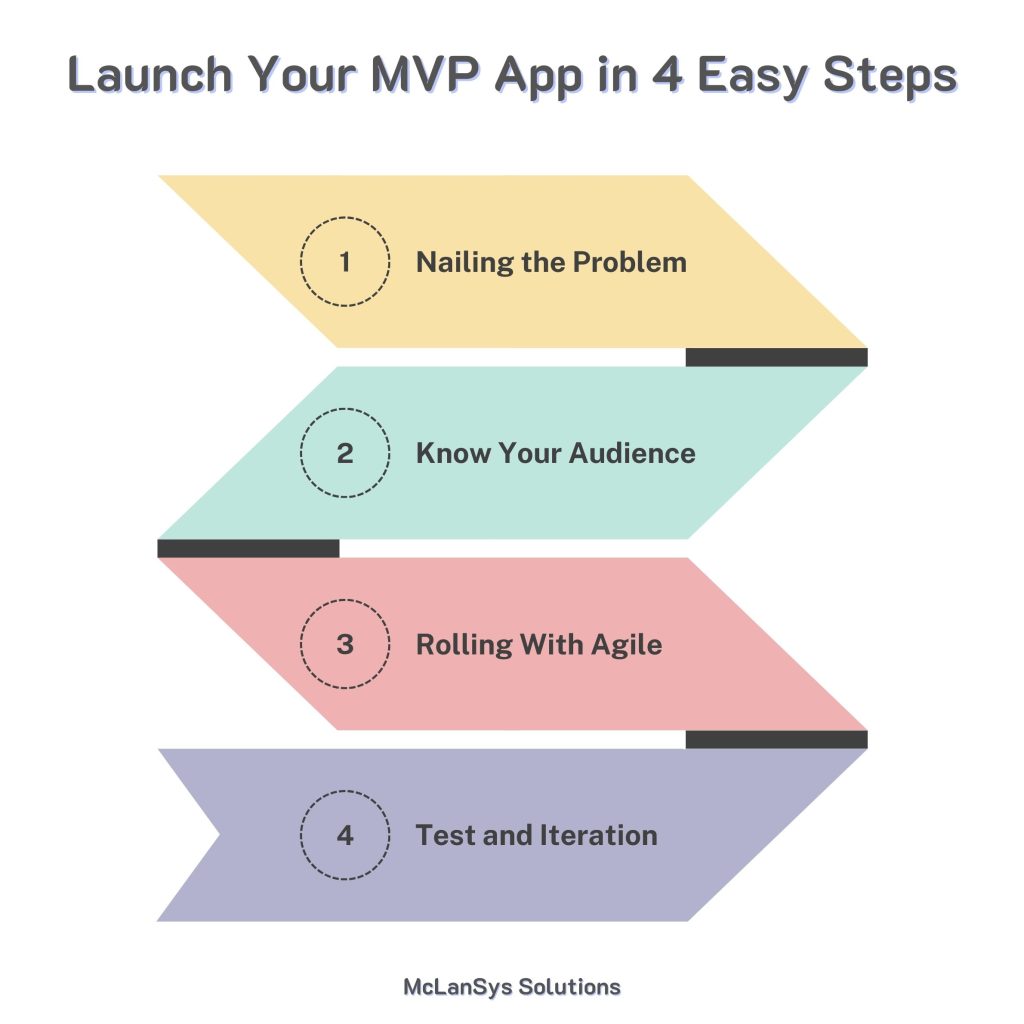
Keep It Simple: Benefits of a MVP
You know how appetizers give you a taste of what’s coming without filling you up? That’s the MVP for you. Here’s why starting small is a game-changer.
MVP: What’s In it For You?
- Proof is in the Pudding: Imagine pitching a idea but not knowing if it’ll work. Scary, right? An MVP let’s you test your concept with real people. Remember Airbnb? They started with a basic site to see if folks would book short-term stays.
- Save Your Cash and Time: Why throw all your money at a maybe? An MVP help you dodge wasting resources on a full-on launch that could flop. Start small, get feedback, and tweak as needed.
- Speed is Your Friend: In the startup race, being first is everything. An MVP gets your product out there fast, letting you beat competitors and snag early users. Faster to market mean faster to learn and adapt.
Real-World MVP Wins
| Company | Initial MVP | Outcome |
|---|---|---|
| Uber | Basic app for booking black cars | Changed how we get around |
| Dropbox | Simple explainer video | Hooked millions before even launching |
| Figma | Basic design tool | Now a top-tier design platform |
| Slack | Internal communication tool | Dominates workplace communication |
Using an MVP lets you fine-tune your product based on real feedback without breaking the bank. This isn’t just for brand-new startups; even more established businesses can benefit. And hey, if you are curious for more info on MVPs, check these out:
- minimum viable product template
- minimum viable product development services
- minimum viable product development strategies
Starting small with an MVP gives you the chance to prove your idea, save resources, and hit the market running. It’s like having a cheat code for startup success.
Crafting a Winning MVP
Starting your journey with a killer MVP for your startup needs more then just luck—it’s all about smart planning and nailing each step. From the initial spark of a idea to gathering intel from your first users, every move count.
Steps to Building a Top-notch MVP
Creating a minimum viable product isn’t rocket science, but it do involve a few crucial steps. Each one is a building block to make sure your product actually solves a problem people care about.
- Identify the Core Value: What makes your product stand out? Pin down the key features that solve a burning problem for your future customers. This backbone sets the stage for everything.
- Do Your Homework: Dive into market research. Get the lowdown on who your target audience is and what they really need. This way, you are not just shooting in the dark.
- Build a Rough Draft: Create a bare-bones version of your product. Keep it simple and focused only on the must-have features.
- Go Live with Your MVP: Turn that rough draft into a working product. This means coding, designing, and making sure it run smoothly. Tip: Keep future upgrades in mind.
- Roll it Out: Launch your MVP to a small, friendly crowd. Their feedback will be gold.
- Listen Up: Collect feedback like a sponge. Early user feedback is a game-changer.
- Tweak and Tune: Use what you learn to make your product better. Keep refining until it hits the sweet spot.
| Step | Summary |
|---|---|
| Identify Core Value | Pin down key features |
| Do Your Homework | Understand your audience |
| Build a Rough Draft | Develop the basic version |
| Go Live with Your MVP | Create the working product |
| Roll it Out | Launch to a select few |
| Listen Up | Gather critical feedback |
| Tweak and Tune | Refine and improve |
Collecting and Using Feedback
Your MVPs secret sauce is user feedback. It’s like having a cheat sheet for the final exam. Collecting and acting on it sharpen your product and gets it closer to what users want.
- Quick Response: As soon as your MVP hits the market, start gathering feedback. Use surveys, chats, and analytics to hear what users are saying.
- Spot the Patterns: Dig into the data. Find common pain points and favorite features. This helps you focus your energy where it counts.
- Make Adjustments: Take that feedback and run with it. Fix the biggest issues and beef up the best parts.
- Stay in the Loop: MVP is an ongoing process. Keep collecting feedback, rinse and repeat.
- Talk to Your Users: Keep them in the loop about changes. Show them you are listening and make them feel like part of the journey.
Nailing your feedback collection is key to agile development, letting you tweak the product bit by bit. Check out mvp software development for more insights.
By using these steps, your MVP can grow into a product that hits the mark with users and sets your startup on the path to success. A minimum viable product template can help keep things organized and on track.
Stories of MVP Success You Need to Know
Startups live or die by their MVPs. Let’s take a stroll through the tales of some companies that started small but skyrocketed to greatness.
Uber
Uber kicked off as UberCab in San Francisco, letting folks book luxury cars through an app. Simple, right? This idea hit the streets running, gathering feedback and gauging interest. It wasn’t long before Uber spread it’s wheels worldwide, changing urban transport forever.
Airbnb
Airbnb began as a straightforward website offering rooms for short stays. It aimed to link people needing a place to crash with those having a spare room. Thanks to positive feedback and increasing users, Airbnb grew to host over 7 million listings around the globe.
Zappos
Zappos got its start with a basic site featuring photos of shoes from local stores. Founder Nick Swinmurn didn’t even bother stocking up inventory. He bought shoes only after customers ordered them. This smart move validated the idea and paved the way for Zappos to become a billion-dollar business.
Nailing MVP Feature Prioritization
Crafting a Minimum Viable Product (MVP) requires some serious decision-making on which features to include. Here’s how to make those tough calls and keep your startups MVP on point.
Must-Have vs. Nice-to-Have Features
When building your MVP, you need to split features into “must-have” and “nice-to-have” categories. Think of “must-haves” as the essentials – without these, your product won’t work. “Nice-to-haves” are like the cherry on top – cool, but not critical. This method helps you hit key goals like quality, customer loyalty, conversions, and return on investment. (Linkedin)
Here are some tried-and-true ways to prioritize features:
- MoSCoW Matrix: Break features down into Must-have, Should-have, Could-have, and Won’t-have.
- Kano Model: Sort features into basic needs, performance boosters, and wow factors.
- User Story Mapping: Map out the users journey to find out what they really need.
| Feature Category | Description |
|---|---|
| Must-Have | Can’t live without it |
| Should-Have | Important, but not vital |
| Could-Have | Makes things better, not required |
| Won’t-Have | Skip it for now |
Balancing Scalability and Optimization
When picking your MVP features, its key to find a balance between growing smoothly and keeping resources in check. You want features that bring the most bang for your buck and set you up for future success.
Think about:
- Growth Potential: Will these features scale with your business?
- Resource Management: Are you using your resources wisely?
- Performance Indicators: Keep an eye on feedback, market fit, and how well things run.
To strike this balance, try these approaches:
- Relative Weighting: Give features scores based on importance and ease.
- Opportunity Scores: Look at how much benefit vs. hassle each feature brings.
- Speed Boat Technique: Identify what speeds you up and what slows you down.
Using these strategies ensures your MVP development meets your business goals, delivers huge value, and stays flexible.
Essential-Tools-and-Resources-for-Lean-MVP-Development-copy