Securing Your Secrets: Inside Indian Development Company Practices
Olivia Harris – Startup Founder – In this article, we’ll explore how Indian development companies ensure data security for their clients.
Sep 25, 2024 | 8 Minute Read
Exploring Indian Development Companies
When looking at Indian development companies, it’s all about how well they guard your sensitive data. This means checking their data security practices and seeing if they follow the rules that keep your info safe.
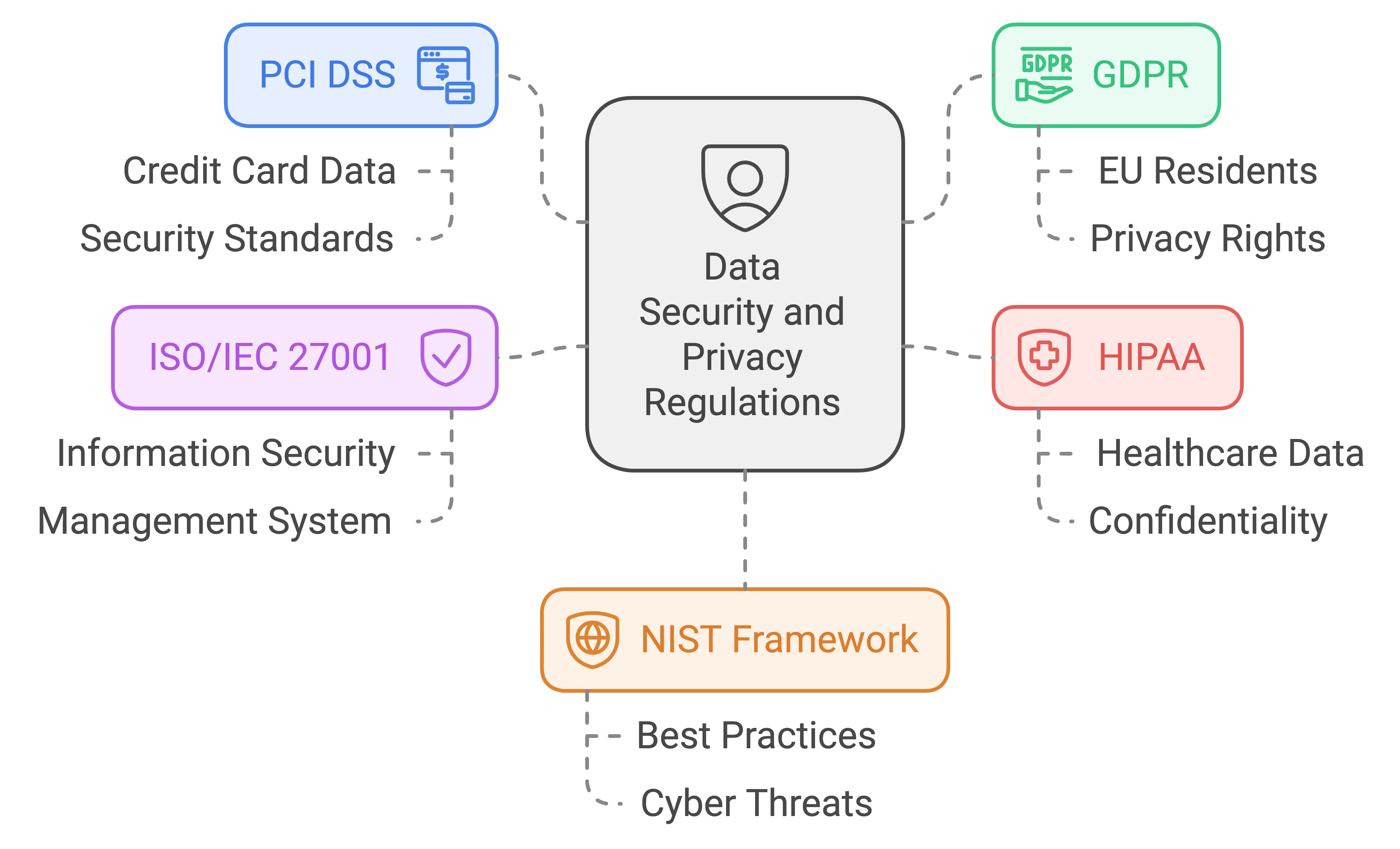
Locking Down Data
Indian development companies take security seriously. They’ve got tight standards in place to protect your data.
- PCI DSS: For those managing credit card transactions, this one’s a must. It keeps card details locked up tight.
- GDPR: If they’re dealing with folks from the EU, this rule makes sure your privacy is front and center.
- HIPAA: Got healthcare info? This regulation ensures it’s kept under wraps.
- ISO/IEC 27001: A global standard that demands a top-notch Information Security Management System.
- NIST Framework: Offers a playbook of best practices to fend off cyber threats.
Playing by the Rules
Compliance isn’t just a buzzword; it’s the cornerstone of trust. Indian development firms follow strict rules to prove they’re dependable.
- GDPR: Makes sure EU citizens’ data is handled with care.
- CCPA: Gives Californians more control over their personal info.
- HIPAA: Keeps patient data safe in the healthcare world.
- SOX Act: Ensures financial reports are clear and accurate.
- PCI DSS: Keeps credit card transactions secure.
- ISO 27001: Sets the gold standard for information security.
And don’t forget India’s own Digital Personal Data Protection Act, 2023 (DPDP Act). This law makes sure companies are on the hook for keeping personal data safe, adding an extra layer of trust.
For more details on the perks of working with Indian developers, check out our article on
MAGIC OF DATA SCIENCE DEVELOPERS REVEALED.
Why Hiring Developers in India Makes Sense
Got a big project ahead? Consider hiring developers from India. They come with a bunch of perks that’ll make your life (and your wallet) significantly happier.
Cost-Effectiveness
One of the biggest reasons to hire developers from India? They’re affordable. Paying for development in India costs a fraction of what you’d spend in the U.S. or Europe. That means you can stretch your budget further, allowing you to spend on other important stuff—think marketing, R&D, or that fancy espresso machine you’ve been eyeing.
| Region | Average Hourly Rate (USD) |
|---|---|
| United States | $60 – $150 |
| Europe | $50 – $120 |
| India | $20 – $50 |
If you’re after affordable tech solutions, Indian companies are spot-on. Their lower rates don’t mean you’re sacrificing quality. It’s actually a win-win for everyone involved.

Skilled Pros
India’s got talent. Tech talent. Tons of developers who know their stuff inside out. Whether it’s building mobile apps or rolling out cloud services, these folks have the skills to bring your vision to life.
A lot of Indian developers have serious chops, backed by degrees from top schools and hands-on experience with the latest tech. They’re proficient in various fields, making them reliable for top-tier projects.
| Area of Expertise | Percentage of Skilled Developers |
|---|---|
| Mobile Apps | 35% |
| Websites | 40% |
| Data Science | 15% |
| Security | 10% |
Using this skilled workforce, businesses can tap into agile teams that deliver high-quality work quickly and efficiently.
Round-the-Clock Work
India’s time zone offers a sweet deal for U.S.-based businesses. When your team clocks out at the end of the day, your Indian developers are just getting started. This means continuous progress and faster delivery times.
| Time Zone | Overlapping Work Hours (EST) |
|---|---|
| India (IST) | 5 AM – 8 AM |
| Europe (CET) | 3 AM – 11 AM |
| U.S. (PST) | 8 AM – 12 PM |
Keep everything humming along nicely with time management tools and tips designed to sync up remote teams.
By leveraging cost savings, harnessing skilled talent, and enjoying the time zone perk, hiring developers in India seems like a smart move for boosting your project’s success. Check out more on Deciding on Developers for Niche Technologies in India and see how these benefits can fit your project needs.
Keeping Your Data Locked Down: How Indian Development Companies Do It
When it comes to keeping your information safe, Indian development companies don’t mess around. They’ve got some solid routines to make sure your sensitive stuff stays out of the wrong hands. Here are three things they nail: Two-Factor Authentication, Encrypting Data, and Training Their Crew.
Two-Factor Authentication
Ever tried getting into your account and had to confirm it was really you? That’s Two-Factor Authentication (2FA). It’s like a bouncer at a club. Even if someone has your password, they’ve gotta show another ID to get in. In banks, it’s stuff like fingerprint scans or one-time passwords (OTPs).
| Industry | Common 2FA Methods |
|---|---|
| Banking | Biometrics, OTPs |
| E-commerce | Email/SMS Verification |
| IT Services | Authenticator Apps, SMS Codes |
Indian development firms make sure to use 2FA to secure both your data and their internal workings.
Encrypting Data
Encryption is like speaking in code—only someone with the right key can understand what’s being said. Indian companies use various types of encryption to keep everything confidential and safe.
Here’s a quick look at some common standards:
| Standard | What It’s For |
|---|---|
| PCI DSS | Safe payments |
| GDPR | EU data rules |
| ISO/IEC 27001 | General security management |
| NIST | U.S. cybersecurity guidelines |
Using these standards keeps your personal info, money matters, and internal chats private.
Training Their Crew
You know that saying, “A chain is only as strong as its weakest link”? It’s true for data security too. That’s why Indian development companies make sure everyone from the new intern to the CEO knows their stuff. They cover the basics and beyond, like handling sensitive info and running security checks.
Main Training Points:
- Staying compliant with rules like HIPAA and ISO/IEC 27001.
- Best practices for handling sensitive data.
- Regular checks and updates.
Even the big shots get special training to keep the bar high. Plus, companies get the thumbs-up from employees before monitoring any job-related data, sticking to legal and ethical lines.
By sticking to these foolproof methods, Indian development companies make sure your data stays locked down, while delivering top-notch software outsourcing services.
Mitigating Risks with Indian Development Companies
Keeping your data safe is a must when teaming up with Indian development companies. They have several tricks up their sleeves to protect your precious info. Here are three key approaches:
BYOD Policies
Many Indian development companies implement Bring-Your-Own-Device (BYOD) policies to manage the flow of sensitive data. These rules help keep personal devices in check and ensure they align with company security needs.
Here’s the rundown:
- Control over sensitive data leaving company devices
- Restrictions on certain data types on personal gadgets
- Device control policies to enforce security standards
These steps ensure sensitive data doesn’t end up on personal devices that aren’t secure enough. For more details, take a look at our security protocols article.
Data Loss Prevention Tools
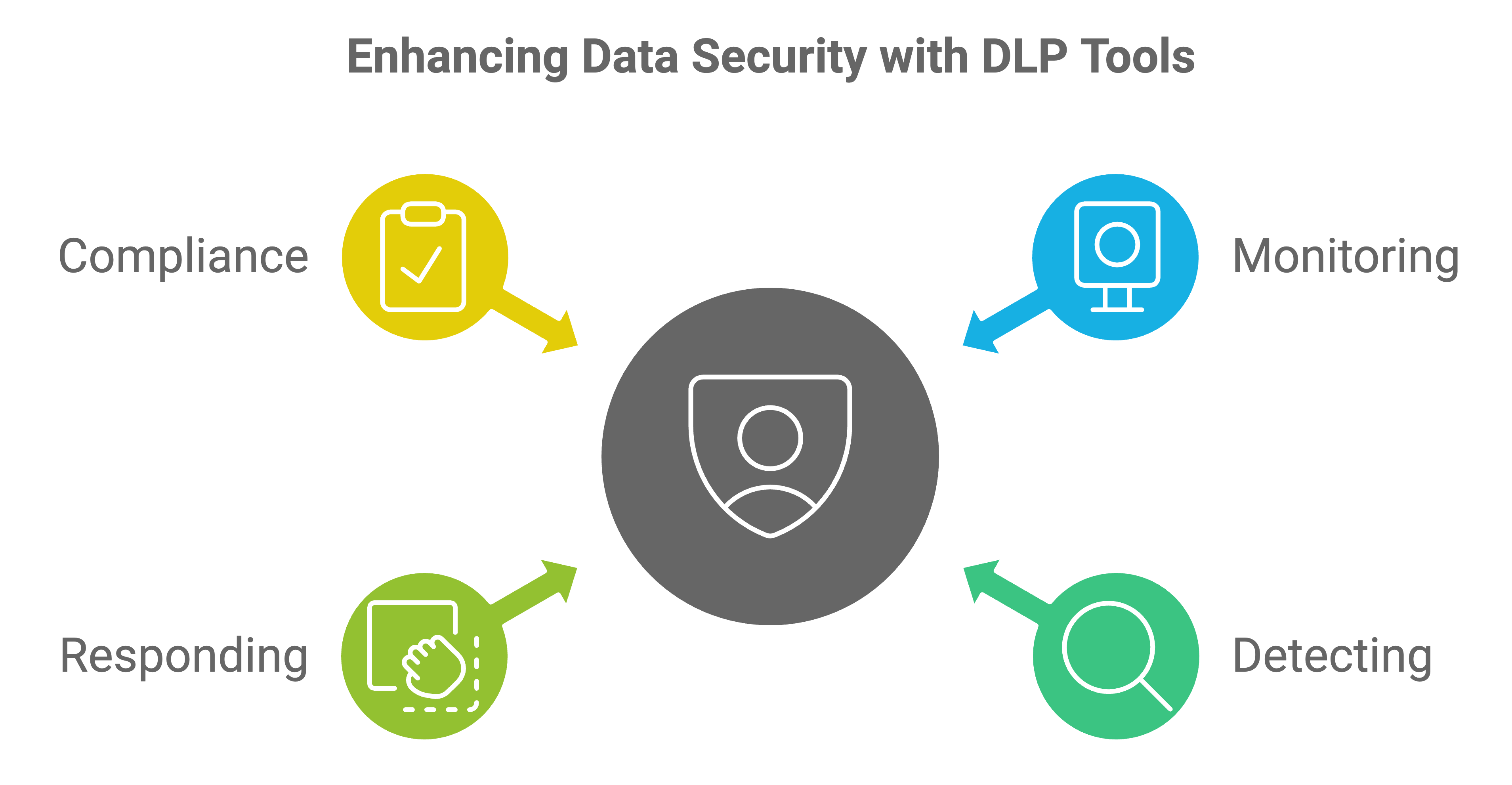
To catch and control sensitive data leaks, companies use Data Loss Prevention (DLP) tools like Endpoint Protector. These tools monitor networks and flag any unauthorized data locations, letting companies delete or encrypt as needed. This keeps them compliant with data laws and their data safe.
| Tool | What It Does |
|---|---|
| Endpoint Protector | Scans for sensitive data |
| Varonis | Spots insider threats and accidental leaks |
| Digital Guardian | Blocks unauthorized data transfers |
Cybersecurity Legislation
India’s data privacy laws can be a bit of a mess, with outdated rules making it tough to have solid cyber laws. This causes a mixed-bag approach to data privacy and security.
Still, Indian development companies do their best to follow international standards and best practices. They tackle risks like accidental data leaks, phishing, insider threats, malware, ransomware, and cloud security flaws.
Understanding BYOD policies, DLP tools, and India’s cybersecurity legislation helps you see how these companies work to keep data secure. Knowing these aspects helps businesses benefit while avoiding potential pitfalls.
Useful Resources:
Top Cybersecurity Regulations in India [Updated 2024]
FAQs
1. How can companies ensure data security?
Companies can ensure data security by implementing a combination of technical and administrative measures including:
- Regular Security Audits and Assessments: Conducting thorough and regular audits of their systems and data practices to identify and mitigate vulnerabilities.
- Data Encryption: Encrypting data both at rest and in transit to protect it from unauthorized access.
- Access Controls: Establishing stringent access controls and authentication processes to ensure that only authorized personnel can access sensitive data.
- Regular Updates and Patch Management: Keeping all systems and software up to date to protect against known vulnerabilities.
- Employee Training: Providing regular training to employees on data security best practices and phishing attack awareness.
- Incident Response Plan: Developing and regularly updating an incident response plan to ensure a quick and effective response to data breaches.
2. What are possible ways to ensure data security in the system?
Ensuring data security in a system involves several key strategies:
- Use of Strong, Complex Passwords: Implementing strong password policies that require the use of complex passwords which are regularly changed.
- Multi-factor Authentication (MFA): Adding additional layers of security by requiring multiple forms of verification beyond just a password.
- Secure Software Development Practices: Employing secure coding practices to prevent vulnerabilities such as SQL injection, cross-site scripting, and other exploits.
- Network Security: Using firewalls, intrusion detection systems, and network segmentation to protect networked resources.
- Regular Backup: Maintaining regular backups of data and ensuring they are securely stored and easily recoverable in case of data loss.
3. What is data security in India?
In India, data security refers to the protective measures and legal frameworks in place to safeguard personal and corporate data from unauthorized access, use, disclosure, disruption, modification, or destruction. Key regulations include:
- Information Technology Act, 2000: Amended in 2008 to include provisions for data protection and security.
- Personal Data Protection Bill: Proposed legislation aimed at providing a comprehensive data protection framework in India.
- Sector-specific guidelines: Various sectors such as banking and healthcare have their specific guidelines and regulations for data security.
4. How can companies use data security to meet the challenges of data resource security?
Companies can use data security measures to effectively address and mitigate challenges related to the security of data resources by:
- Implementing Robust Data Governance: Establishing clear policies and procedures for data management, usage, and security.
- Leveraging Advanced Security Technologies: Using technologies such as AI and machine learning for predictive security analytics to identify potential threats and vulnerabilities.
- Regularly Reviewing and Updating Security Policies: Ensuring that security measures are up-to-date with current threats and compliant with legal and regulatory requirements.
- Enhancing Physical Security Measures: Protecting physical resources that store sensitive data from unauthorized access.
- Promoting a Culture of Security: Encouraging a security-focused mindset among employees and stakeholders to recognize and responsibly manage data security risks.