Fueling Success: How I Keep Iterating on MVPs
Liam Hayes – Startup Founder – As a startup founder, iterating on MVPs is a crucial part of refining our product development process.
Sep 16, 2024 | 4 Minute Read
Implementing MVP Development
I’ve always been fascinated by the magic of MVPs (Minimum Viable Products). Let’s break down what they are and why tinkering with them is crucial for nailing your product.
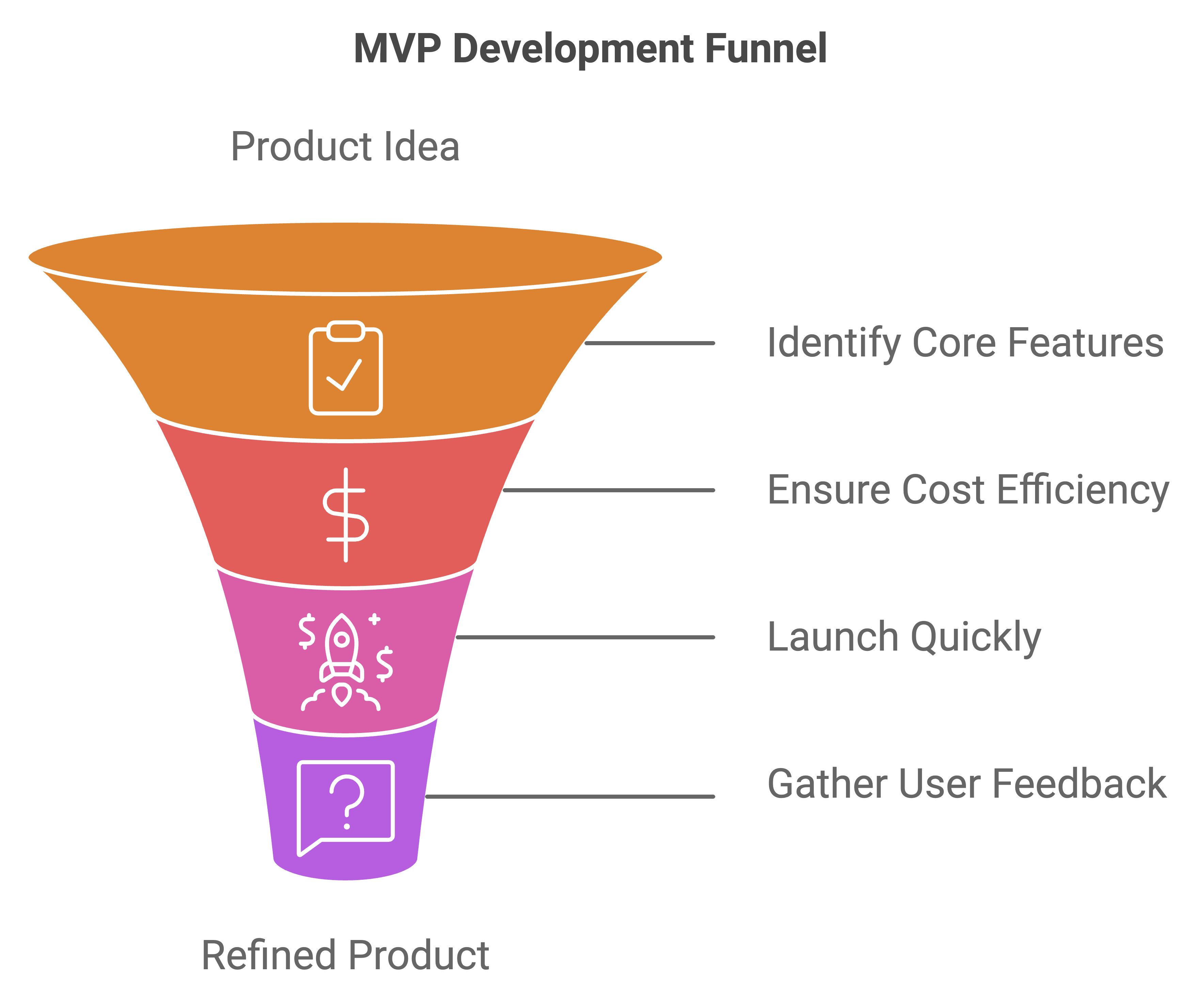
A Minimum Viable Product (MVP) is the bare-bones version of your product that still gets the job done. It’s like giving your customers a sneak peek, just with the essentials. The idea is to strip away the fluff and focus on the core features that solve a specific problem. The main goal here? To throw your assumptions at the wall and see what sticks, all while keeping costs and time in check.
| Key Aspects of MVP | What It Means |
|---|---|
| Core Features | The must-have functionalities solving the problem |
| Cost Efficiency | Keep it cheap and cheerful |
| Quick Launch | Speedy entry into the market |
| Feedback-Oriented | Gather user input for future tweaks |
Why Keep Tweaking Your MVPs?
Tinkering with your MVPs is a game-changer. Iterative processes allow you to tweak, adjust, and perfect based on real-world feedback. This ain’t just about getting something out there; it’s about making it better with each round of feedback.
This approach comes packed with perks: you hit the market quicker, save bucks on product development, and make users happier.
| Iteration Perks | What It Means |
|---|---|
| Faster Fixes | Quickly improve based on what users say |
| Money-Saver | Focus resources where they matter |
| Better Fit | Make sure your product clicks with users |
| Customer Love | Build strong bonds with early fans |
Let’s say you’re following the build-measure-learn cycle. You slap together a simple version, listen to the users, and take their feedback into your next round of improvements. This cycle nips problems in the bud before they snowball.
Want to dive deeper? Check out our other articles on Measuring MVP Success and
MVP Market Validation. They’ll help you master the art of iterative MVP development.
Real-Life Success Stories
Learning from the best is always a good idea. Here are some awesome MVP examples that have influenced my approach to crafting MVPs.
Uber
Uber’s rise started with a straightforward mobile app connecting users to drivers and facilitating payments via credit cards. This MVP was pivotal in proving market demand. As more people started using Uber, they rolled out advanced features, ultimately transforming it into the global app we know today.
Reid Hoffman kicked things off with LinkedIn by focusing on user profiles and email invites. Despite initial slow growth and some user gripes, this MVP collected valuable feedback which led to vital features like Groups and partnerships. By 2004, LinkedIn hit 1 million users.
Etsy
Etsy nailed a clear market need by addressing eBay’s high fees and clunky usability. Using market research and a simple MVP, they quickly drew in thousands of sellers. Today, Etsy stands tall as the go-to place for unique vintage and handmade items.

Key MVP Strategies
Successful MVP development boils down to a handful of tried-and-true tactics:
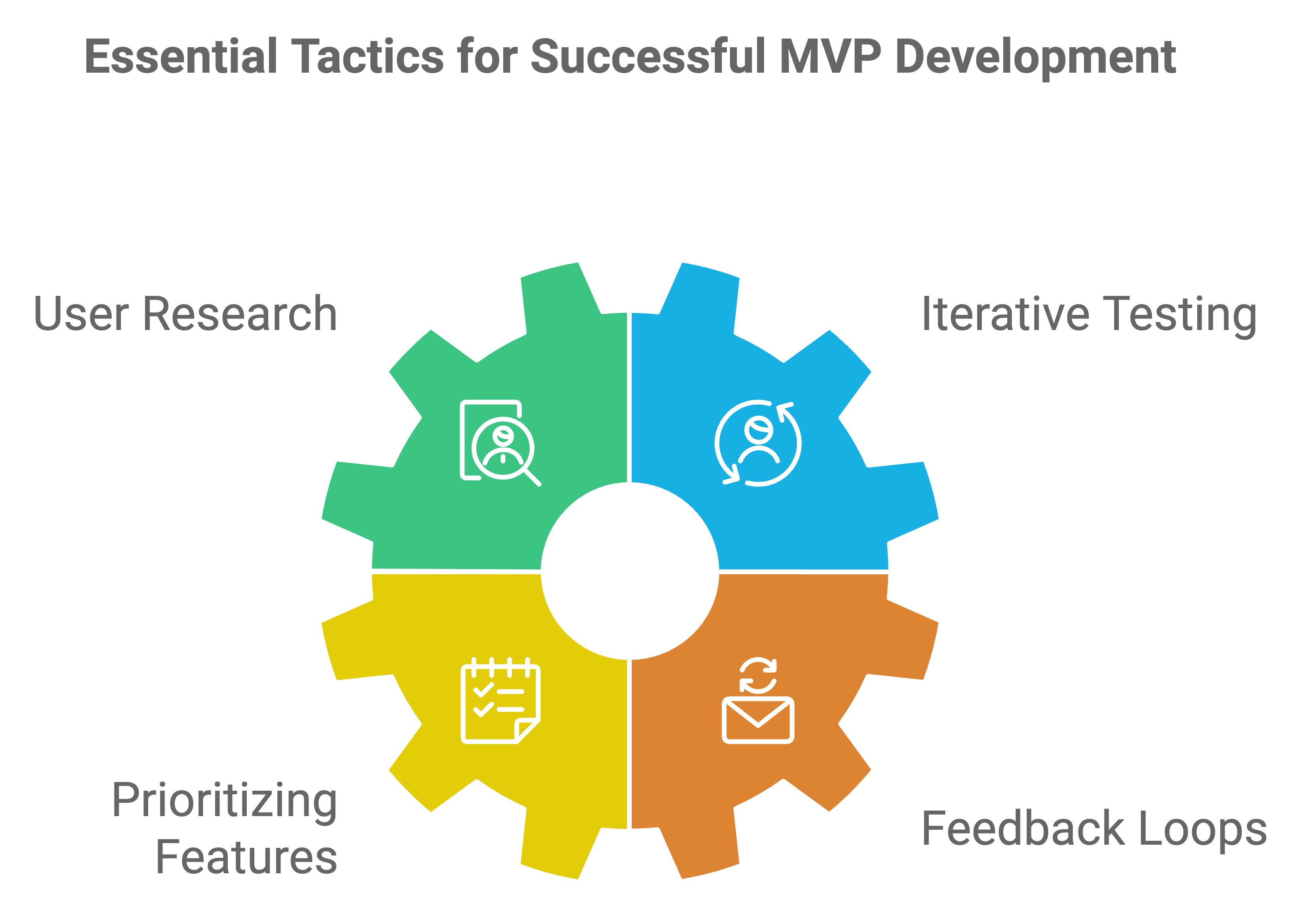
1. Keep It Simple:
- Start with a barebones design to test market demand without complicating things.
- Example: Uber’s initial launch.
2. Focus on Core Features:
- Target the features that provide maximum value.
- Example: Instagram’s pivot to photo-sharing.
3. Listen to Your Users:
- Early adopters’ feedback is golden for tweaking and refining your product.
- Example: LinkedIn’s growth driven by user feedback.
4. Be Ready to Adapt:
- Flexibility and willingness to pivot based on feedback can make or break your MVP.
- Example: Etsy fixing eBay’s shortcomings.
5. Validate Before Growing:
- Make sure your MVP solves user problems before adding bells and whistles.
- Example: Amazon’s initial focus on book sales.
Summary Table
| Company | Initial MVP Focus | Key Strategy |
|---|---|---|
| Uber | Simple app for hailing cabs and payments | Gradual add-ons |
| User profiles and email invitations | Incorporating feedback | |
| Etsy | Marketplace for vintage and handmade goods | Fixing key pain points |
| Simplified focus on photo-sharing | Staying basic | |
| Amazon | Online bookstore | Validating before expanding |
This approach has consistently helped me ensure that every iteration of an MVP aligns with what users want and what the market needs.
Useful Resources: