Building a Startup Fintech MVP: Lessons from My Startup Journey
Liam Hayes – Startup Founder – This article, shares insights on developing an MVP for fintech startups.
June 20, 2025 | 4 Minute Read
Why MVPs are Crucial for Startups
Building a Minimum Viable Product (MVP) can be a real game-changer for startups, especially for those venturing into the fast-paced world of fintech. An MVP helps us test our ideas, gather feedback, and adjust as needed, all while keeping the budget in check. Here, I’ll explain why MVPs are so important for fintech startups.
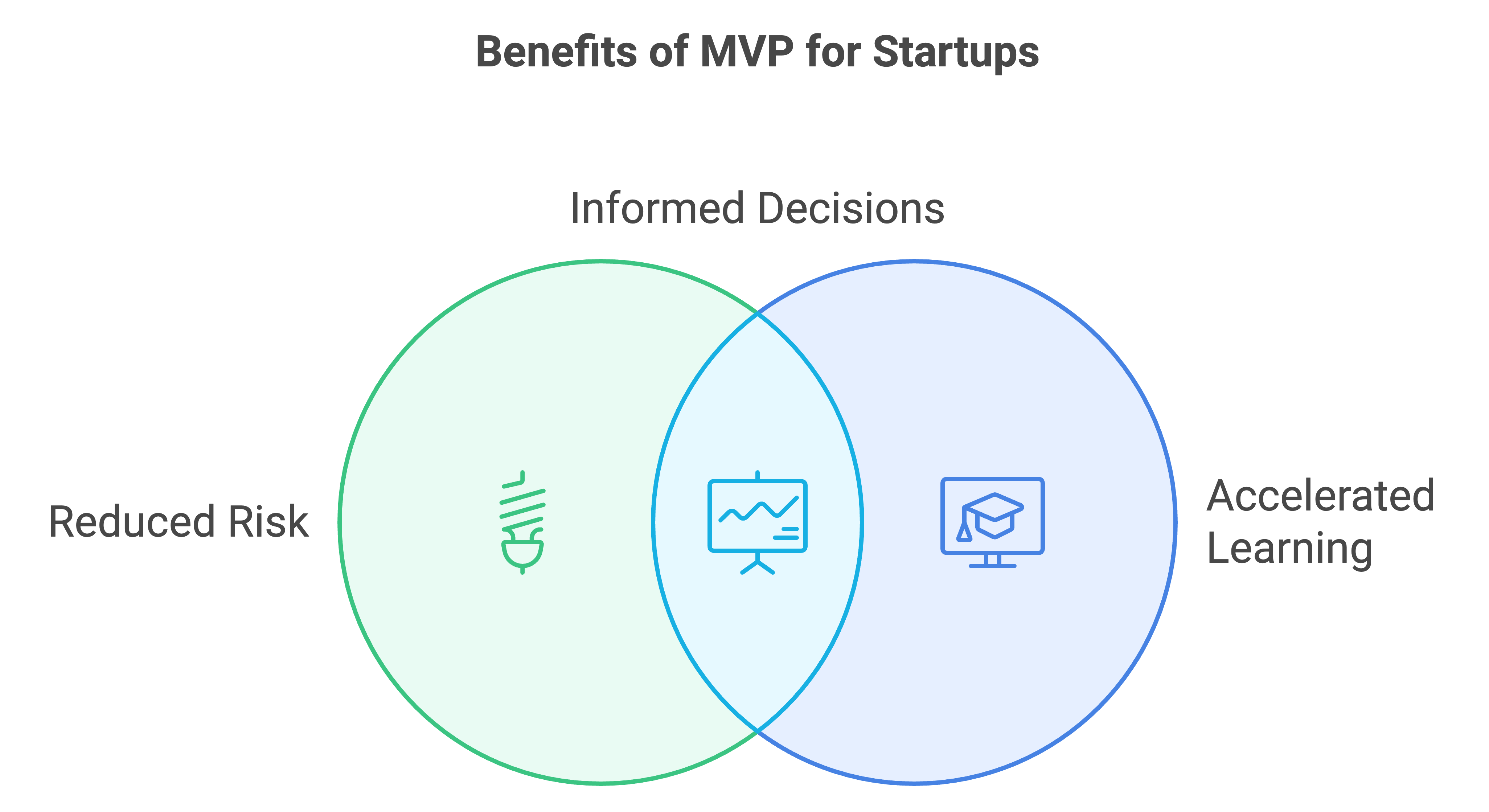
Testing Startup Ideas
A big reason startups fail is because nobody wants their product. An MVP helps us check if there’s really a market for our idea. According to CB Insights, the top reason startups crash and burn is that there’s no market need for what they’re offering.
By creating an MVP, we can find out if our product fits the market early on. This includes:
- Launching a stripped-down version of the product.
- Collecting feedback from early users.
- Making smart decisions based on that feedback.
This strategy works. The Startup Genome Report says startups using this kind of learning have a 27% higher success rate than those that don’t. If you need more help on how to do this, visit our page on Pro MVP Validation Techniques.
Saving Money with MVPs
In today’s economy, being thrifty is key. MVPs let us focus on the must-have features, cutting down on development costs and keeping budgets in check. Here’s why MVPs are cheaper:
- They get to market faster, so we can start building user relationships before the competition catches up.
- They focus only on necessary features, saving us from unnecessary spending.
- They let us tweak the product based on early user feedback.
Using an MVP doesn’t just save money; it lets us quickly adapt and improve based on real user data. Being nimble and attentive to user needs can lead to a more successful product in the long run.
Understanding why MVPs are vital shows us their importance in the fintech startup scene. By validating ideas and keeping development lean, we’re better prepared to handle the rapid changes in fintech. For more on how to keep costs down, check out our guide on cost of building an MVP.
Fintech MVP Development Strategies
Making your way through fintech can feel like a wild ride. But stick with it because if you’re gunning to develop a winning MVP for fintech startups, you’ve gotta understand the big picture. Trust me, having been down this road, knowing industry trends, new tech, user habits, and keeping up with regulations is key.
Over in fintech land, stuff like AI, blockchain, and data analytics is all the rage. It’s not just tech babble—these bad boys can seriously upgrade your MVP. Plus, staying in the loop about regulations isn’t optional; it’s a lifesaver. Break the rules and you could hit rock bottom fast.
Before you dive in, nail down clear goals. What must your product do to fix problems without drowning your team in features?
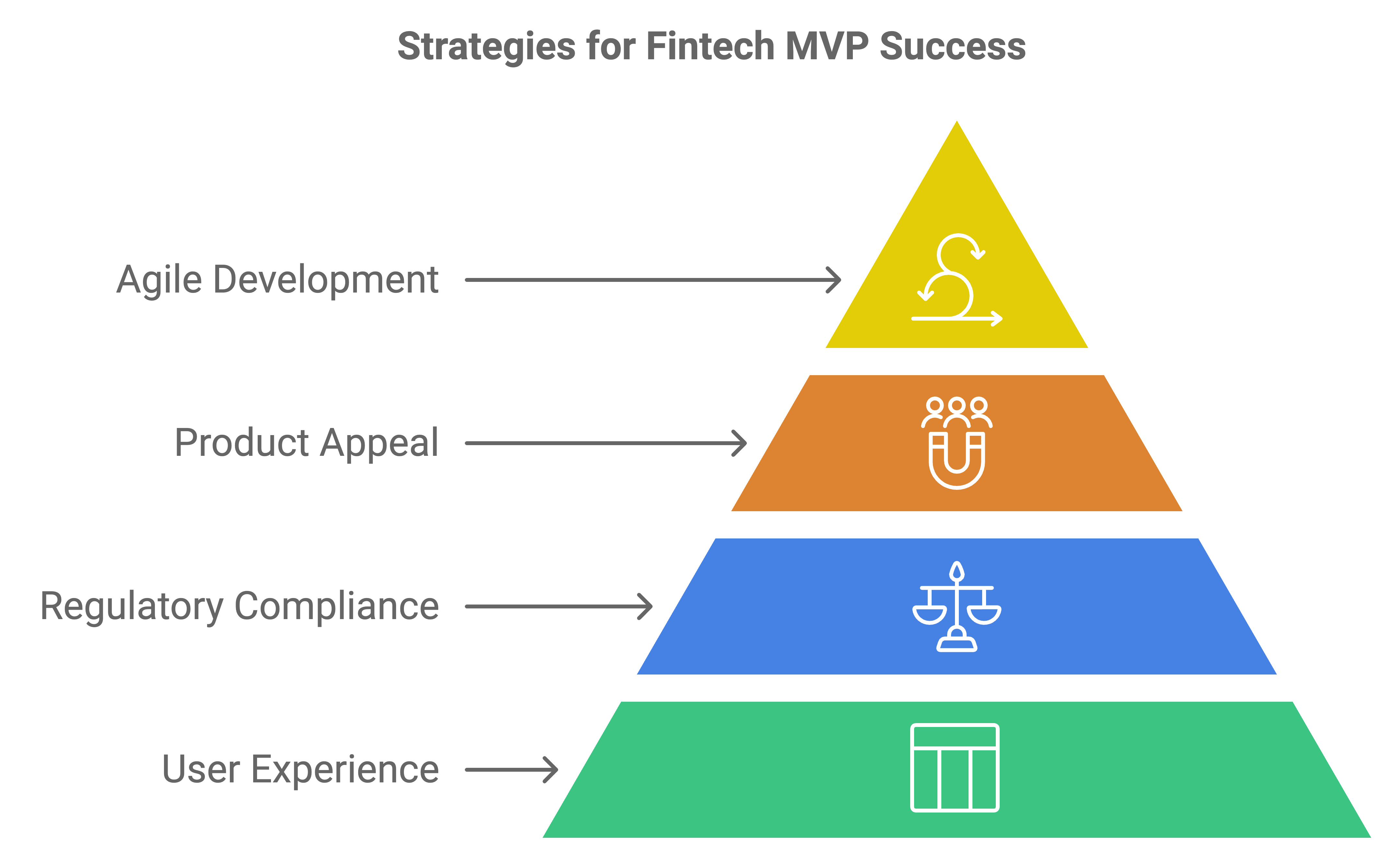
Steps for Building a Fintech MVP
1. Research and Planning
Kick things off with some solid research. Dig into the market, find out what bugs your customers, and see what the competition’s up to. Use market validation techniques to make sure folks actually want what you’re cooking up.
2. Define Scope and Features
Focus on the essentials. Your MVP needs to tackle your audience’s main gripes head-on. Make it simple but effective. Tools like low-code MVP development platforms come in handy here.
3. Choose the Right Technology
Pick the tech that suits your project best. AI can provide personalized advice, blockchain keeps things secure, and data analytics offers killer insights.
4. Develop Prototypes
Use rapid prototyping tools to sketch out your ideas. These visuals help you see what you’re building and get early input.
5. Adopt Agile Methodology
Go agile. Develop, test, get feedback, and repeat. This way, you can tweak things based on what users think and how the market moves.
6. Ensure Compliance
Know the rules inside out. In fintech, following regulations is make-or-break. Stay vigilant, and your MVP stays out of hot water.
7. Initial Testing and Feedback
Test early, get feedback. Use usability testing techniques to fix user experience hiccups. Listen, learn, tweak.
8. Launch and Monitor
Roll out your MVP to a small crowd. Keep an eye on how they use it and what they think. Measure success with key performance indicators (KPIs) for MVP.
9. Iterate Based on Feedback
Keep improving. Collect feedback, squash bugs, upgrade features. For how-tos, see iterating on MVPs.
| Steps | Tools/Concepts |
|---|---|
| Research | Market Analysis, Market Validation |
| Define Scope | Core Features, Low-Code Platforms |
| Technology Choice | AI, Blockchain, Tech Stacks |
| Prototyping | Rapid Prototyping Tools |
| Development | Agile Methodology |
| Compliance | Regulatory Monitoring |
| Testing | Usability Testing |
| Launch | Select User Group, KPIs |
| Iteration | User Feedback |
Building an MVP for fintech startups is no walk in the park, but it’s hella rewarding. Follow these steps, use the right tools, and you’ll craft an MVP that hooks your audience and sets the stage for what’s next.
Minimum_Viable_Product_App_Guide_PreviewUseful Resources: