How to Hire MVP Developer for Startups Using Lean Methodology
Liam Hayes – Startup Founder – Today, I’d like to share some insights about the lean startup methodology for MVPs.
May 30, 2025 | 5 Minute Read
Lean Startup Basics
When I kicked off my entrepreneurial adventure, getting a grip on Lean Startup was a game-changer. This approach offers a organized way to create new products, focusing on cutting down risks and boosting customer happiness.
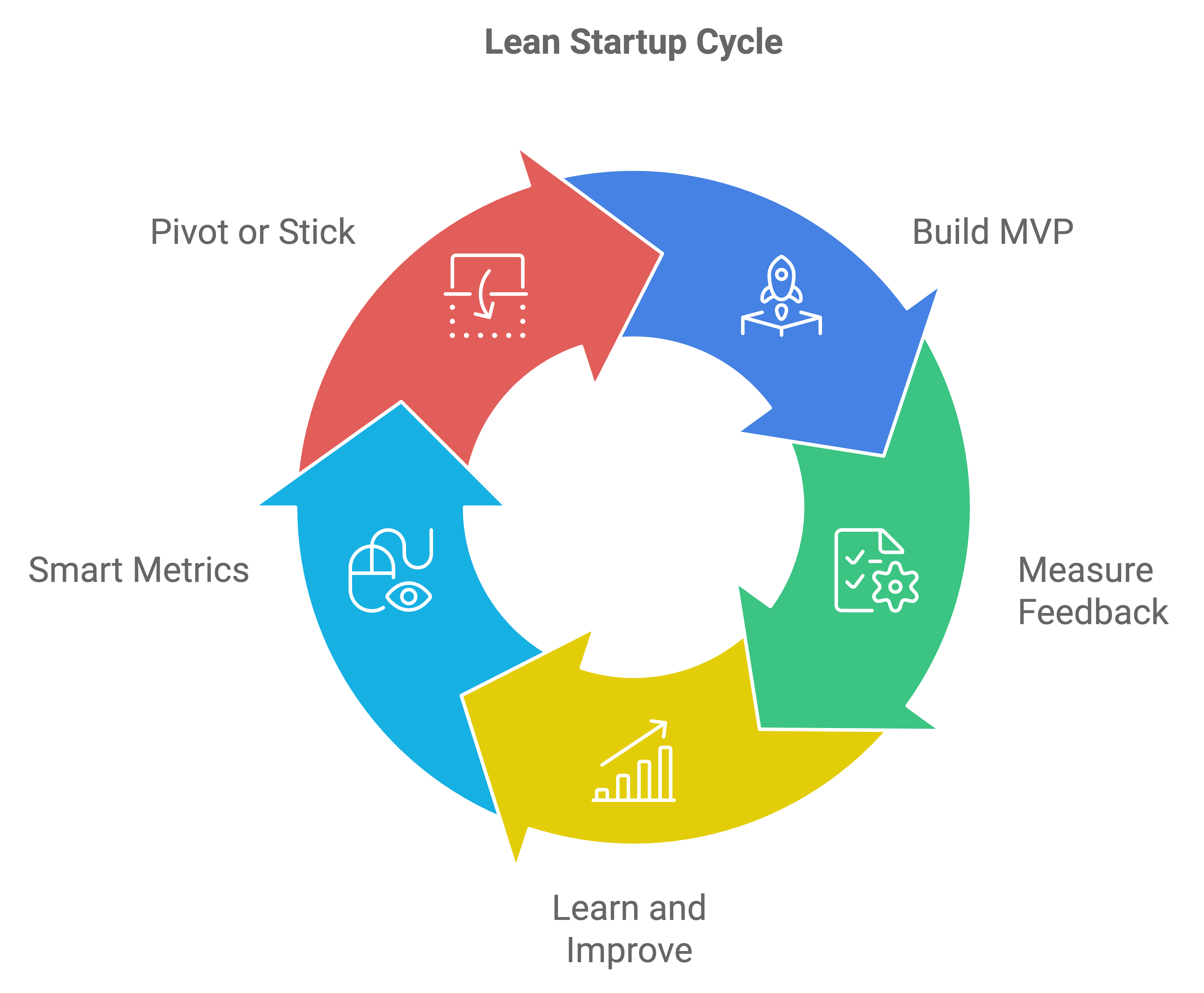
Build-Measure-Learn Loop: The heart of Lean Startup is the build-measure-learn cycle. You start with a Minimum Viable Product (MVP) and quickly gather feedback from customers. This lets you tweak and improve your product based on what real people actually want.
Verified Learning: In Lean Startup, verified learning is huge. By paying attention to hard data and customer opinions, you can make smart choices. This reduces guesswork by confirming what customers really need.
Smart Metrics: Tracking the right numbers matters. Lean Startup separates useful metrics from the flashy ones that don’t really help. Focusing on the right stats helps you understand customer habits and make wise decisions.
Pivot or Stick: Lean Startup shows you when it’s time to change things up or stick to your guns. This helps businesses adjust quickly to what the market and customers are saying.
Why Lean Startup Works
Using Lean Startup to build an MVP has given me countless perks, and it can do the same for other entrepreneurs. Here’s why this method rocks:
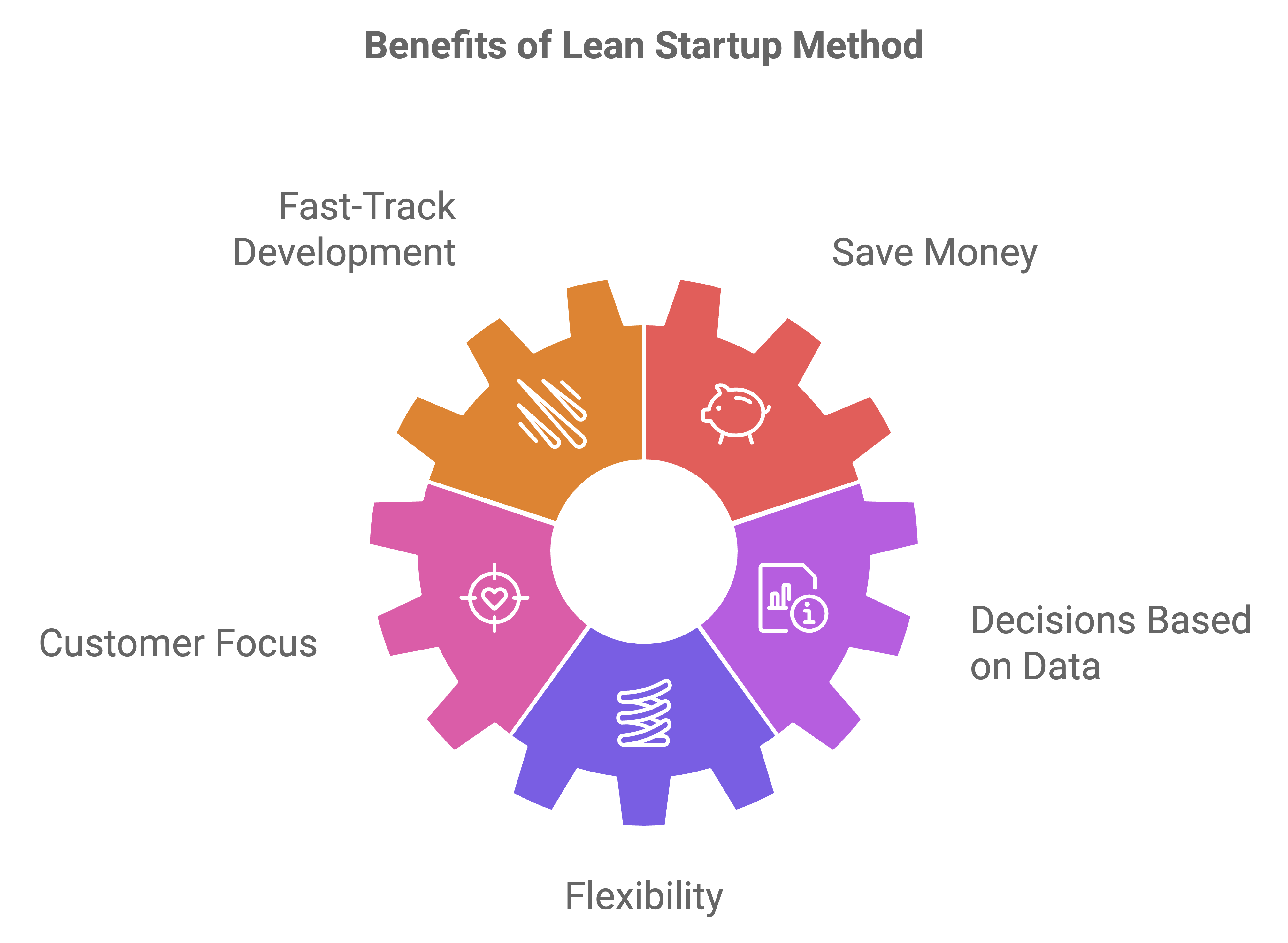
Fast-Track Development: Creating an MVP lets you get your product out there quickly. This fast pace helps gather customer opinions sooner and make needed changes.
Save Money: Building a product without checking if it’s what customers want can be pricey. Lean Startup lets you invest a little at a time, based on proven feedback, saving cash and resources.
- Customer Focus: Lean Startup puts a lot of weight on what customers think, making sure the product keeps meeting their needs. This can build brand loyalty and improves chances of hitting the right market. This is super crucial in industries like e-commerce or healthcare, where knowing what the customer wants is key.
Decisions Based on Data: By focusing on smart metrics, Lean Startup leads to good choices. For example, looking at average earnings per customer is more useful than just counting total users.
Flexibility: Lean Startup equips businesses to deal with the unknown. By always learning and adapting, startups can pivot when needed, ensuring they grow and stick around.
The Lean Startup method, with its basics and benefits, has been a major guide in my startup journey. If you’re building an MVP for fintech, saas, or mobile gaming, this method can speed up growth and help nail that product-market fit.
For more tools and tricks to use along the way, check out our sections on Best MVP Development Tools and MVP Decisions Simplified.
Jumpstarting Success with Lean Startup in 60 Days
Figuring Out the Big Problem
When hitting the ground running with Lean Startup, the first step is figuring out what problem you’re solving. Think of it like running a big experiment: should you even build this thing, and can it turn into a sustainable gig? Using the build-measure-learn feedback loop, I pulled in early adopters as my first customers. Their thoughts and feedback were gold, helping me refine and shape my initial ideas.
Creating a Minimum Viable Product
Building an MVP isn’t about slapping together a few features and calling it a day. It’s about making something that actually works and gives a quality experience. Eric Ries’s MVP concept is all about learning what your customers want with the least effort. By focusing on a product that works from the get-go, I made sure early users could get important tasks done, laying the groundwork for future growth.
Keeping Tabs on Progress
Tracking progress in a Lean Startup is all about learning what works and what doesn’t. Even when everything’s up in the air, validated learning shows you’re moving forward. Thanks to feedback-driven tweaks, I side-stepped the mess of long product launch cycles. I zeroed in on actionable metrics instead of vanity metrics. Metrics like average revenue per customer gave me the real scoop on customer behavior.
| Metric Type | Example |
|---|---|
| Actionable Metrics | Average revenue per customer |
| Vanity Metrics | Number of downloads (without context) |
Tweaking and Improving with Feedback

Customer risk was on my radar big time: would people actually buy or use this thing? Prioritizing customer risk meant getting creative. Litmotors, for example, showcased a non-working model and still racked up pre-orders, proving there’s a market before fully diving in.
Pivots were part of the game. Changing product focus, finding new customer segments, or tossing out dud sales channels—all these shifts were based on what the previous experiments taught me. When pivots hit the mark, it meant I was inching closer to what customers really wanted, turning uncertainty into learning gold.
For tools to help you build your MVP without a hitch, check out our top picks for mvp development tools and low-code platforms.
Dive in, gather feedback, pivot like a pro, and before you know it, your MVP will be on its way to success!
Useful Resources: